The Drainage Engineer’s Role in Safe and Proper Wastewater Management

The Drainage Engineer’s Role in Safe and Proper Wastewater Management
When we flush the toilet, run the washing machine, or take a shower, few of us stop to think about where the water goes next. Yet behind every home, business, and public building lies a complex network of pipes, drains, and treatment systems that must function flawlessly to protect both public health and the environment. At the heart of this system stands the drainage engineer. Without their expertise, our towns and cities would quickly face serious problems with pollution, flooding, and sanitation.
What Does a Drainage Engineer Do?
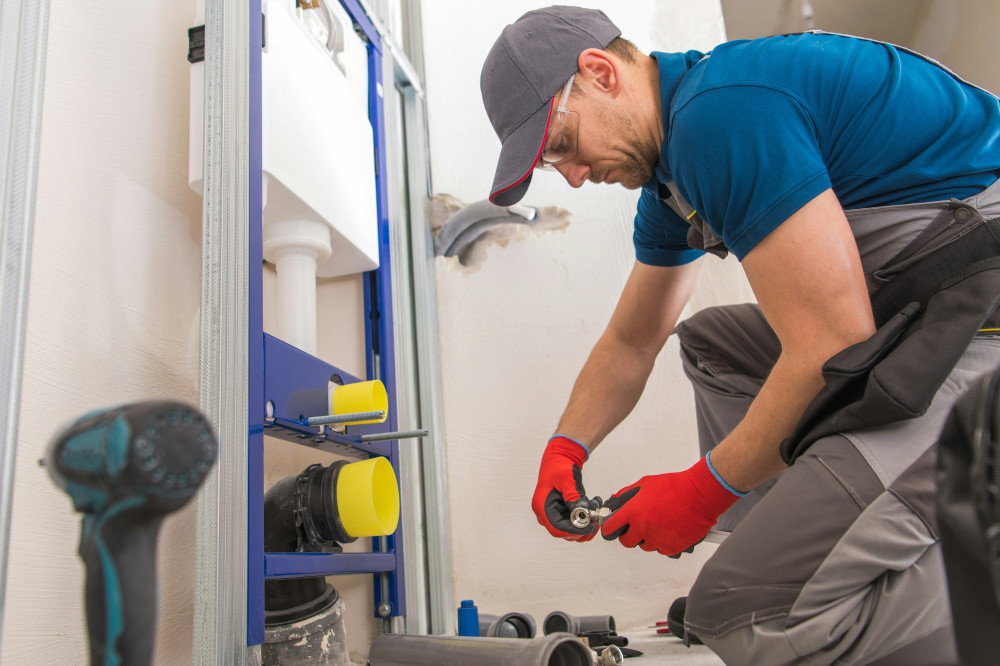
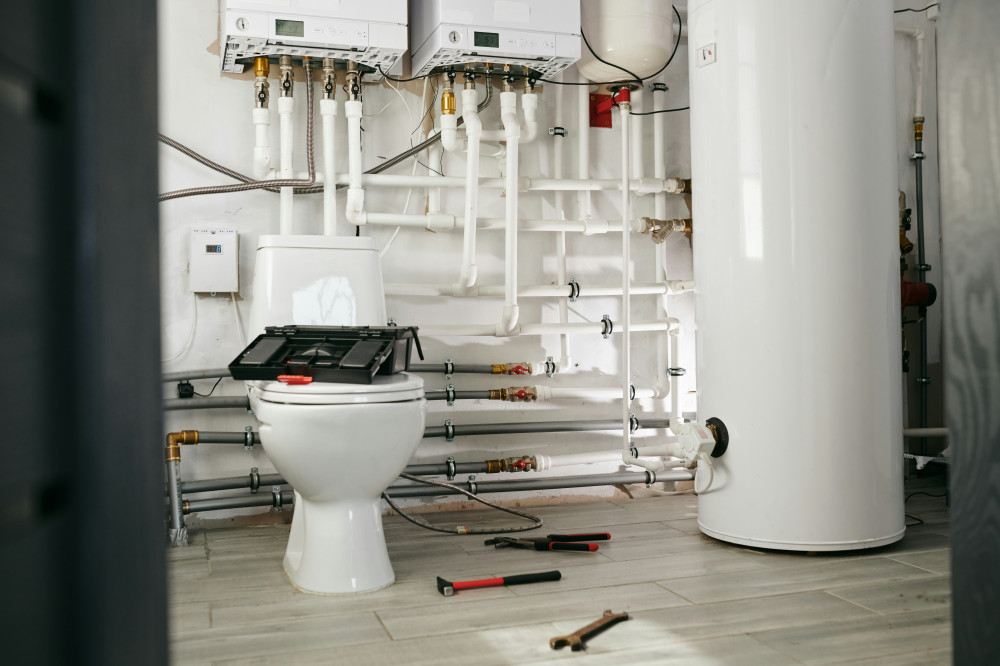
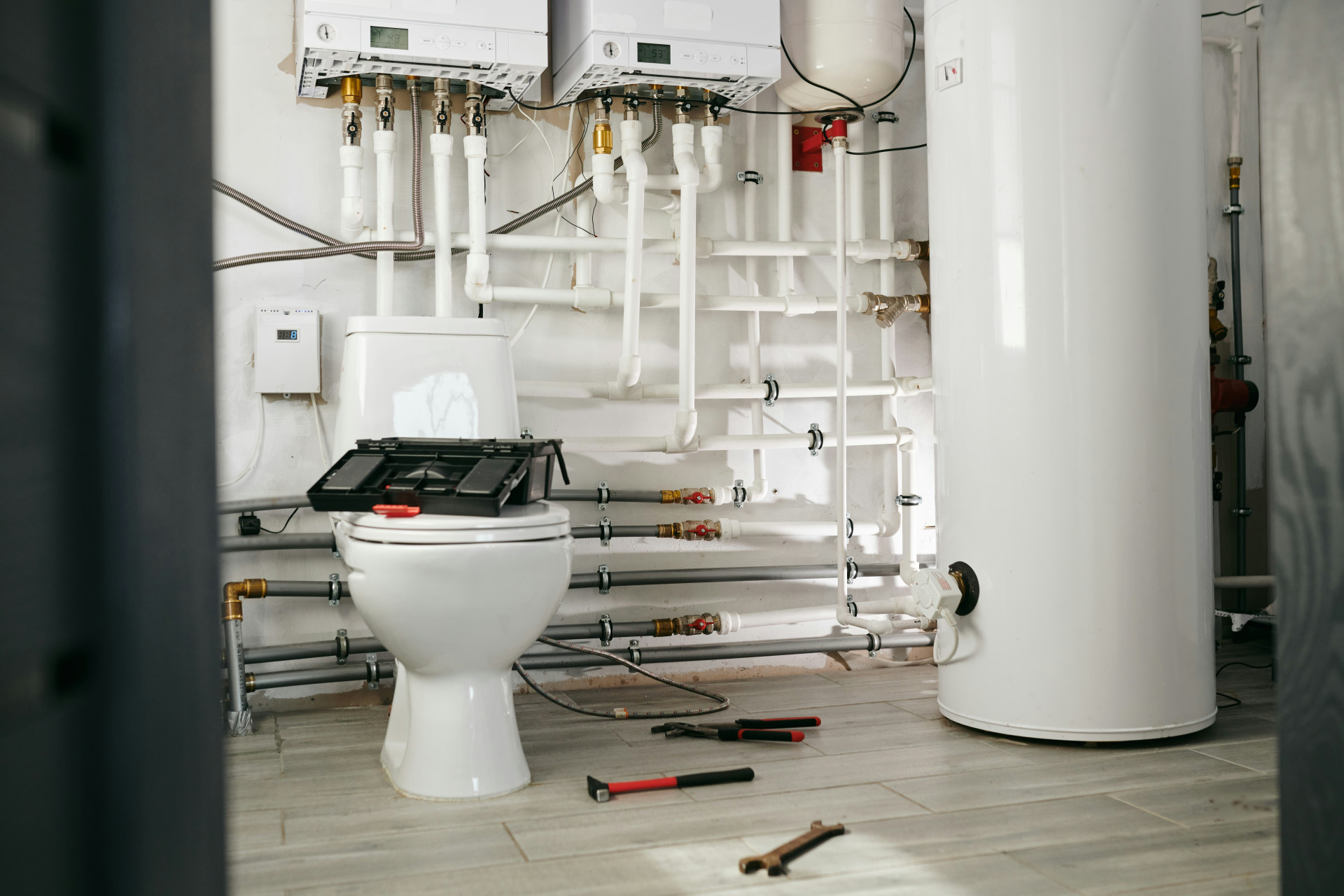
A drainage engineer is a qualified professional who designs, installs, inspects, and maintains drainage and wastewater systems. Their work covers everything from domestic properties and commercial developments to large-scale infrastructure projects. They ensure that wastewater is collected and conveyed safely to treatment facilities, and that surface water is managed effectively to prevent flooding.
In the UK, drainage engineers must work in accordance with national standards and regulations, such as those set by Building Regulations Part H and the Environment Agency. Their role requires technical knowledge, precision, and an understanding of local conditions – including soil type, groundwater levels, and rainfall patterns.
Safety and Environmental Protection
Proper drainage design and maintenance are not just about functionality; they are essential for health and environmental safety. Faulty or poorly maintained systems can lead to contamination of drinking water, damp and structural damage in buildings, and the spread of harmful bacteria. For this reason, certain types of drainage work must be carried out by competent and certified professionals.
Drainage engineers ensure that systems comply with environmental legislation and best practice. This includes managing surface water sustainably, preventing sewer overflows during heavy rainfall, and ensuring that wastewater is treated effectively before being released into rivers or the sea. Their work directly supports the UK’s goals for cleaner water and a more resilient environment.
Prevention Is Better Than Cure
A significant part of a drainage engineer’s job is preventative maintenance. Regular inspections and cleaning can identify blockages, cracks, or root intrusion before they cause major damage. Modern tools such as CCTV drain surveys allow engineers to assess the condition of underground pipes without excavation, saving time and cost.
Drainage engineers also advise on measures to make systems more robust. For example, they may recommend backflow prevention devices to stop sewage from entering basements during storms, or the separation of foul and surface water systems to reduce pressure on public sewers. These proactive steps help homeowners and businesses avoid costly repairs and environmental incidents.
The Drainage Engineer as an Adviser
Beyond hands-on work, drainage engineers often act as consultants for property owners, developers, and local authorities. They provide guidance on sustainable drainage systems (SuDS), which are increasingly required in new developments to manage rainwater on site. Techniques such as soakaways, permeable paving, green roofs, and rain gardens help reduce runoff and improve water quality.
By combining technical expertise with environmental awareness, drainage engineers help clients find solutions that are both cost-effective and sustainable. Their advice is particularly valuable as the UK adapts to the challenges of climate change, including more frequent heavy rainfall and urban flooding.
Læs også:

An Essential Part of Modern Infrastructure
Although their work often goes unnoticed, drainage engineers play a vital role in keeping our communities safe, healthy, and functional. A well-designed and well-maintained drainage system protects public health, prevents flooding, and safeguards the environment. It is a cornerstone of modern infrastructure, supporting everything from housing and transport to industry and agriculture.
The drainage engineer’s contribution may be hidden underground, but its impact is felt everywhere – in the reliability of our homes, the cleanliness of our rivers, and the confidence that our wastewater is managed safely and responsibly.
Læs også: