How often should the drain be cleaned?

How often should the drain be cleaned?
Most of us rarely think about our drains – at least not until something goes wrong. But a blocked or neglected drain can quickly lead to unpleasant smells, slow drainage, or even flooding and costly repairs. Knowing how often to clean your drains, and how to maintain them properly, can save you a lot of trouble. Here’s a practical guide for UK homeowners on how often drains should be cleaned and what you can do to prevent problems.
Why regular drain cleaning matters
Your home’s drainage system carries wastewater away from sinks, showers, and toilets. Over time, grease, soap residue, hair, and other debris can build up inside the pipes. If left unchecked, this can cause:
- Slow drainage – water takes longer to disappear down sinks or showers.
- Unpleasant odours – decomposing waste and bacteria can create bad smells.
- Backups and flooding – especially during heavy rain if pipes are partially blocked.
- Pipe damage – pressure from blockages can cause cracks or leaks over time.
Regular cleaning isn’t just about convenience; it’s also about protecting your property from water damage and maintaining a healthy home environment.
How often should drains be cleaned?
There’s no single rule that fits every household, as the frequency depends on factors such as the age of your plumbing, the number of occupants, and how much waste goes down the drains. As a general guideline:
- Typical households: every 1–2 years.
- Older properties or homes with trees nearby: annually, as roots and debris can cause blockages.
- Flats or shared buildings: check with your property manager – communal drains may need more frequent maintenance.
- Commercial kitchens or properties with grease traps: every 3–6 months.
If you notice recurring drainage issues or unpleasant smells, it’s a sign that your drains may need cleaning sooner. A professional drainage engineer can assess your system and recommend an appropriate schedule.
Signs your drains need attention
You don’t have to wait for a full blockage to act. Look out for these early warning signs:
- Water draining slowly from sinks, baths, or showers.
- Gurgling noises from plugholes or pipes.
- Persistent damp or musty smells near drains.
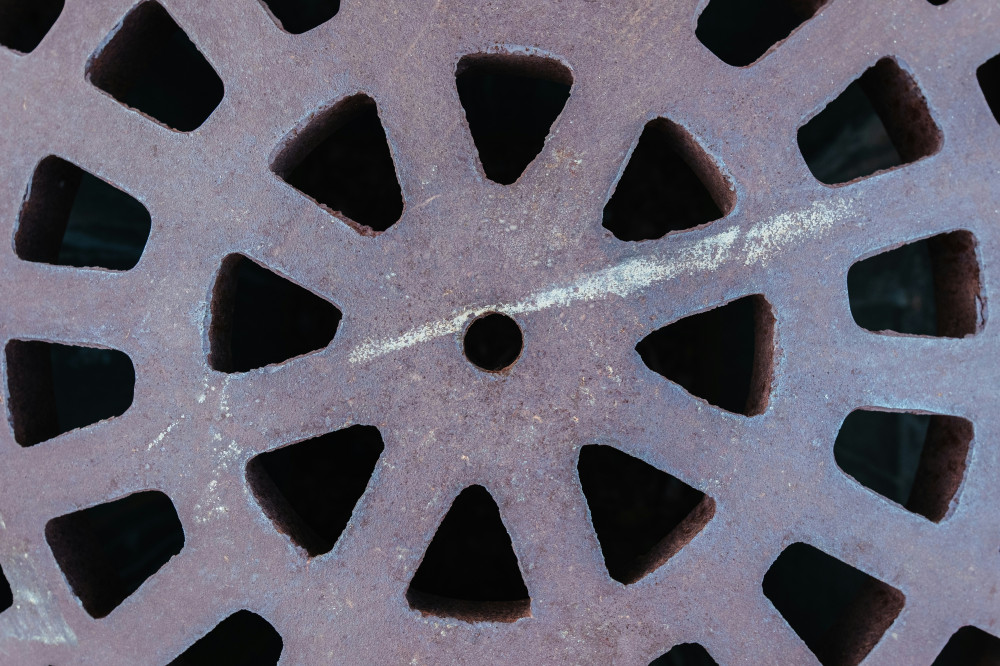
- Water pooling around outdoor drain covers or inspection chambers.
Catching these signs early can make cleaning quicker, easier, and cheaper.
Preventive maintenance: what you can do yourself
While professional cleaning is essential from time to time, there are simple habits that can help keep your drains clear:
- Avoid pouring fat or oil down the sink. It solidifies and clings to the inside of pipes.
- Use drain strainers. They catch hair, food scraps, and other debris before they enter the system.
- Flush only toilet paper. Items like wipes, cotton buds, and sanitary products should go in the bin.
- Keep outdoor drains clear. Remove leaves and dirt regularly to prevent blockages.
- Rinse with hot water. Pouring hot (not boiling) water down the sink once a week can help dissolve grease build-up.
These small steps can significantly reduce the risk of blockages and extend the life of your drainage system.
Læs også:
Professional drain cleaning – what to expect
When you hire a professional, they’ll typically use high-pressure water jetting to remove grease, sludge, and debris from the pipes. This method is safe, effective, and environmentally friendly. In some cases, they may also carry out a CCTV drain survey, using a small camera to inspect the inside of the pipes for cracks, root intrusion, or other issues.
After the cleaning, you’ll often receive a report or video footage showing the condition of your drains, which can help you plan future maintenance.
A worthwhile investment
Regular drain cleaning might seem like an unnecessary expense, but it’s a smart investment in your home’s health. Preventive maintenance costs far less than emergency call-outs or repairs after a flood or burst pipe.
By combining good daily habits with professional cleaning every couple of years, you can keep your drains running smoothly – and avoid the stress and expense of unexpected plumbing problems.
Læs også: