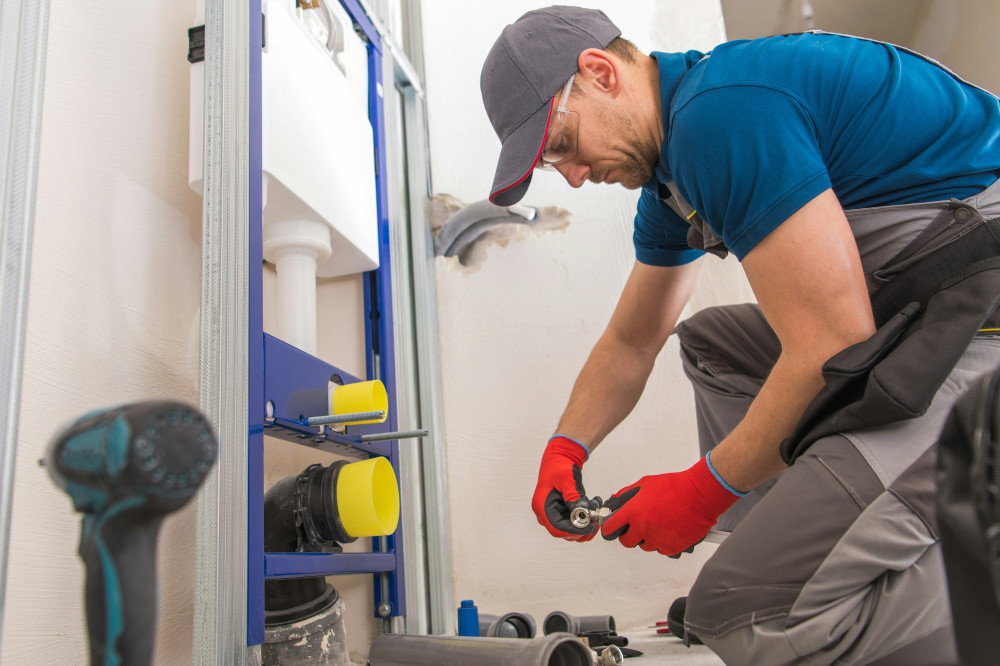
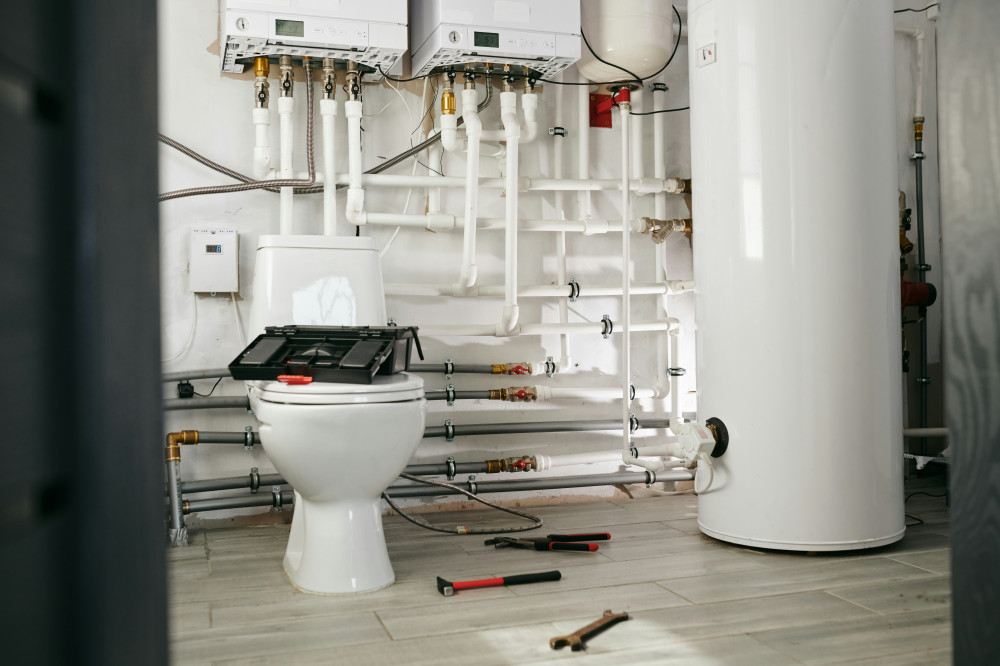
Proper Drainage Work for Home Extensions – How to Ensure Everything Is Compliant

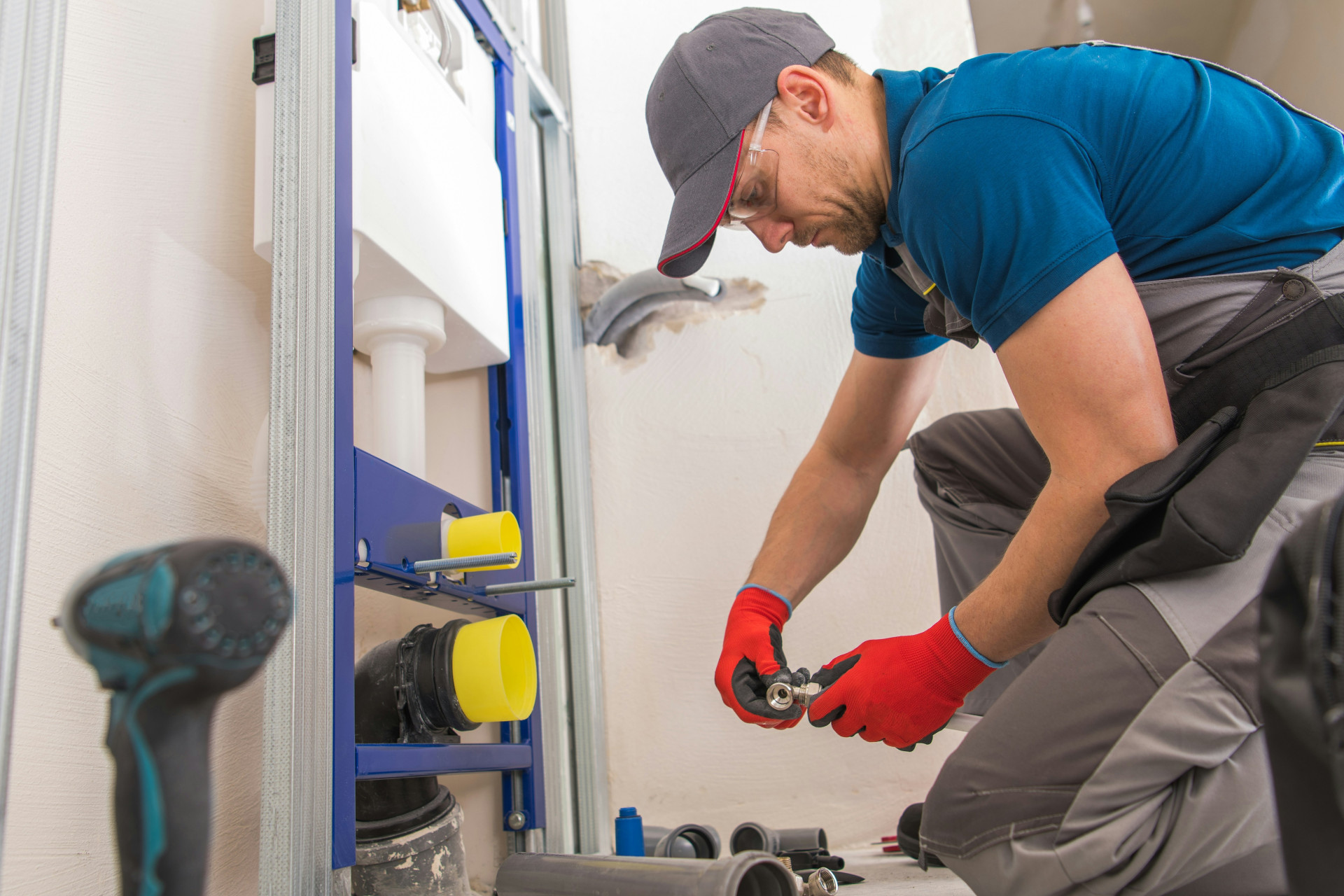
Proper Drainage Work for Home Extensions – How to Ensure Everything Is Compliant
When you’re planning a home extension – whether it’s a new kitchen, an extra bathroom, or a full two-storey addition – drainage is one of the most important yet often overlooked aspects of the project. Poorly designed or installed drainage can lead to damp problems, unpleasant odours, and even breaches of building regulations that could be costly to fix later. Here’s how to make sure your drainage work is done properly and in full compliance with UK regulations.
Drainage Work Must Be Carried Out by Competent Professionals
The first thing to understand is that drainage work is not a typical DIY job. In the UK, any work that connects to the public sewer must be carried out by a competent and qualified drainage contractor. If the work involves altering or connecting to a public sewer, you’ll also need approval from your local water and sewerage company – often referred to as a Section 106 agreement under the Water Industry Act 1991.
Even small changes, such as moving a gully or adding a new waste pipe for a bathroom, must be done correctly to prevent leaks, blockages, or contamination. A professional drainage engineer or plumber will ensure that all pipe gradients, materials, and connections meet the relevant standards.
Building Regulations and Planning Permission
Drainage work for home extensions falls under Part H of the Building Regulations, which covers drainage and waste disposal. When you apply for building control approval for your extension, your drainage plans must show how foul water and surface water will be managed and connected to the existing system.
If your extension changes the way rainwater drains from your property – for example, by adding a new roof area – you’ll need to show how this water will be directed, whether to a soakaway, a sustainable drainage system (SuDS), or the existing surface water drain.
Once the work is complete, your builder or drainage contractor should provide as-built drawings and certification to confirm that the installation complies with Building Regulations. Keep these documents safe, as they may be required when selling your home or making insurance claims.
Common Drainage Tasks for Home Extensions
The type of drainage work required will depend on the nature of your extension. Typical tasks include:
- Installing new foul water drains for bathrooms, kitchens, or utility rooms. These must have the correct fall and be properly vented.
- Relocating existing drains if the extension is built over or near existing pipework. In some cases, you’ll need a Build Over Agreement from your water company.
- Managing surface water from new roofs or patios, ensuring it drains to a soakaway or approved system rather than overloading the public sewer.
- Adding inspection chambers or rodding points to allow for future maintenance and cleaning.
- Installing backflow prevention devices, especially if the extension is at a lower level, such as a basement or garden room.
A qualified drainage specialist can assess your site and recommend the most suitable solutions.
Avoiding Common Mistakes
Many drainage issues arise because the work wasn’t done to the correct standard. Here are some of the most frequent mistakes – and how to avoid them:
- Insufficient pipe gradient – water doesn’t flow properly, leading to blockages.
- Incorrect materials – pipes not suitable for ground conditions or load can crack or collapse.
- Poor ventilation – can cause foul smells and slow drainage.
- Unapproved DIY work – may breach Building Regulations and invalidate insurance.
Always use a reputable contractor and insist on proper documentation and testing before the system is covered over.
Læs også:
Think About Long-Term Maintenance
A well-designed drainage system should require minimal maintenance, but it’s still wise to plan ahead. Ensure that all inspection chambers and rodding points remain accessible after the extension is built. Consider having a CCTV drain survey carried out once the work is complete to confirm that everything is in good condition and properly connected.
If your property is in an area prone to flooding, you may also want to install non-return valves or pumped systems to protect against backflow from the public sewer during heavy rainfall.
Coordination Between Trades
Drainage work is closely linked to other parts of the build, such as foundations, groundworks, and plumbing. Good coordination between your builder, drainage contractor, and building control officer is essential. This ensures that pipe routes, levels, and access points are correctly planned and that the work is carried out in the right sequence.
If you’re managing the project yourself, make sure everyone involved understands their responsibilities and that all drainage work is inspected before being backfilled.
Compliant Drainage Work Pays Off
While hiring a qualified drainage contractor and obtaining the necessary approvals may seem like extra expense, it’s an investment in your home’s safety and value. Non-compliant drainage can lead to serious structural and hygiene problems, as well as enforcement action from your local authority.
By ensuring that your drainage work is properly designed, installed, and documented, you’ll have peace of mind – and a home extension that functions perfectly for years to come.
Læs også: