Heat Loss and Cooling – Understanding Their Relationship in the Home

Heat Loss and Cooling – Understanding Their Relationship in the Home
When we think about energy use in the home, heating during the winter is often the first thing that comes to mind. Yet, as British summers become warmer, cooling is increasingly part of the picture. What’s fascinating is that heat loss and cooling are closely connected – and the same measures that keep warmth inside in winter can also help keep it out in summer. To create a comfortable and energy-efficient home all year round, it’s worth understanding how these processes work.
What Is Heat Loss – and Why Does It Happen?
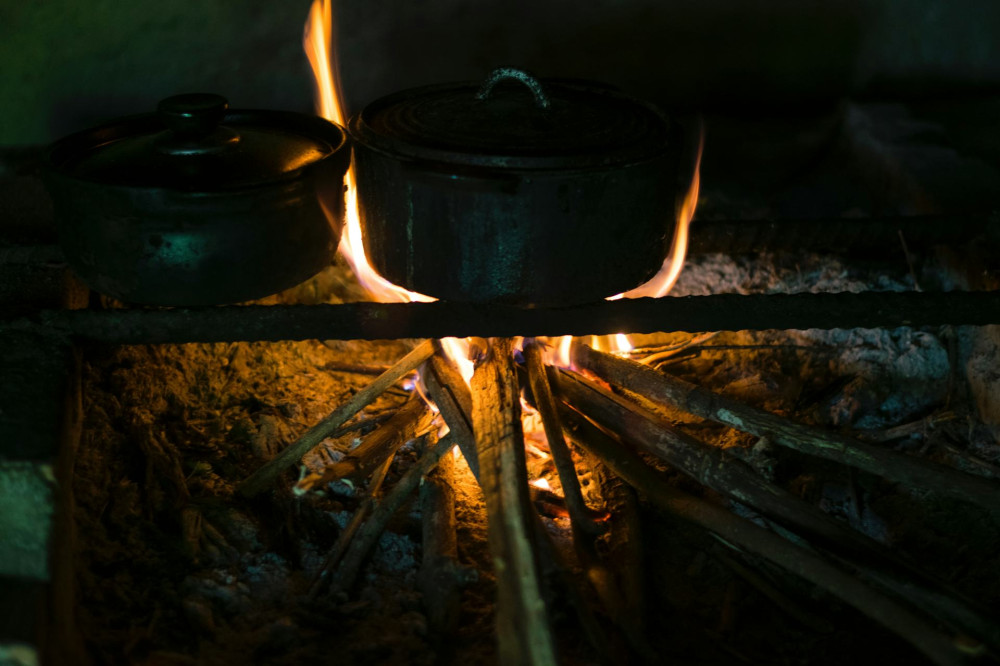
Heat loss occurs when thermal energy moves from a warmer area to a cooler one. In a house, this means that heat from your radiators or underfloor heating escapes through the walls, roof, windows, and floors. The poorer the insulation, the faster the heat disappears – and the more energy you need to maintain a comfortable temperature.
The main culprits are usually:
- Roof and loft, where warm air naturally rises and escapes.
- Windows and doors, especially older ones with single glazing or draughty frames.
- External walls, where missing or outdated insulation allows cold bridges to form.
- Ventilation, if there’s no heat recovery system.
High heat loss doesn’t just increase your energy bills – it also makes your home feel less comfortable, with draughts and cold surfaces.
When the Heat Turns – Cooling Needs in Summer
In summer, the situation reverses. Now it’s not heat escaping, but heat entering. Sunlight warms the roof, walls, and air through the windows, and homes can quickly become uncomfortably hot. Once again, insulation and airtightness play a crucial role – but in a slightly different way.
A well-insulated home doesn’t just trap heat in winter; it also slows down heat entering from outside. This means indoor temperatures rise more slowly, reducing the need for active cooling such as air conditioning. Good ventilation and shading can also help remove excess heat and maintain a pleasant indoor climate.
Insulation – The Key to Balance
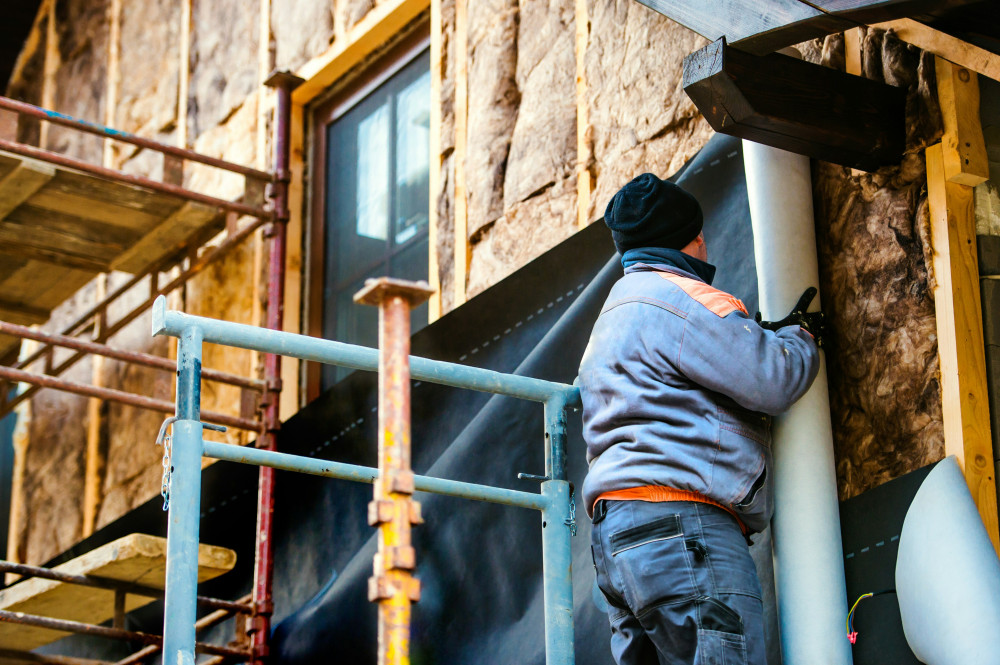
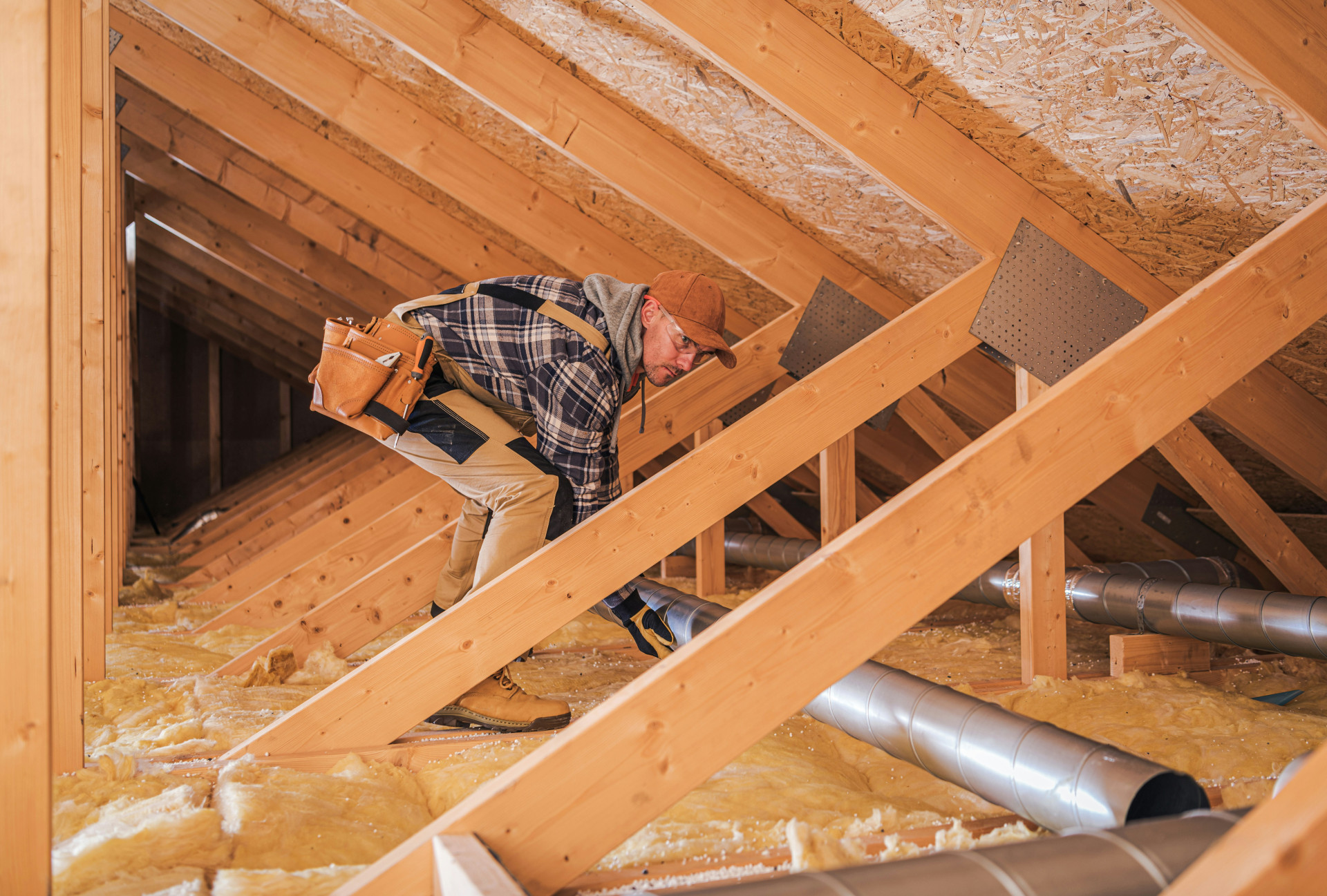
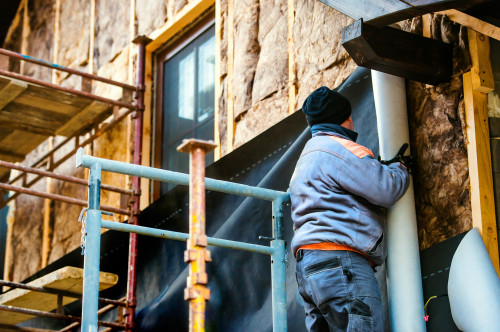
Insulation is the most effective way to manage both heat loss and heat gain. Materials such as mineral wool, cellulose, or wood fibre act as barriers that reduce the flow of energy through the building envelope. The result is a more stable indoor temperature throughout the year.
Insulation should be approached as a whole-house solution:
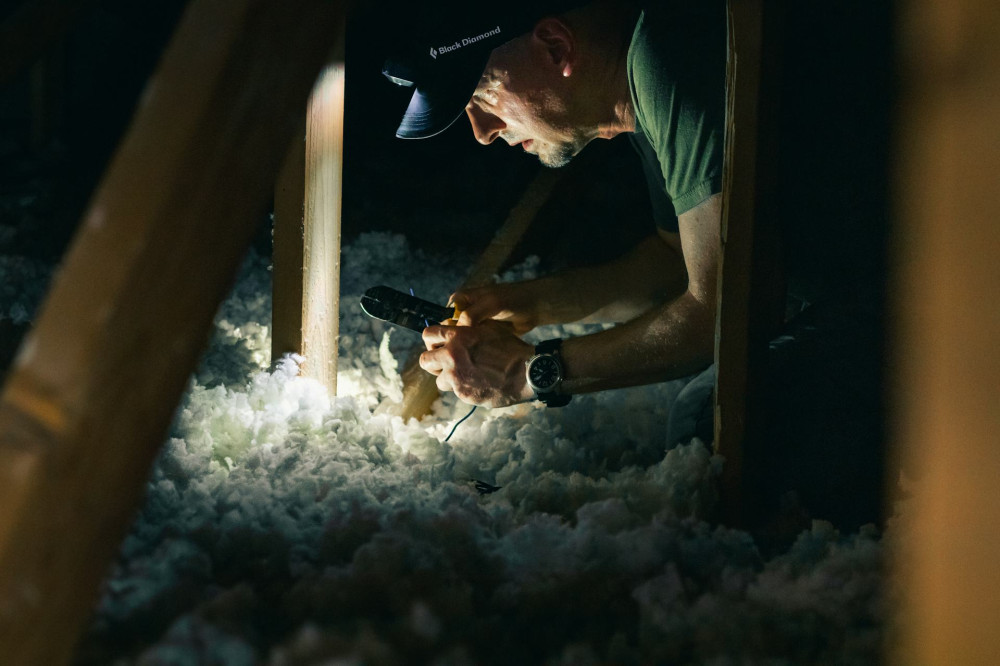
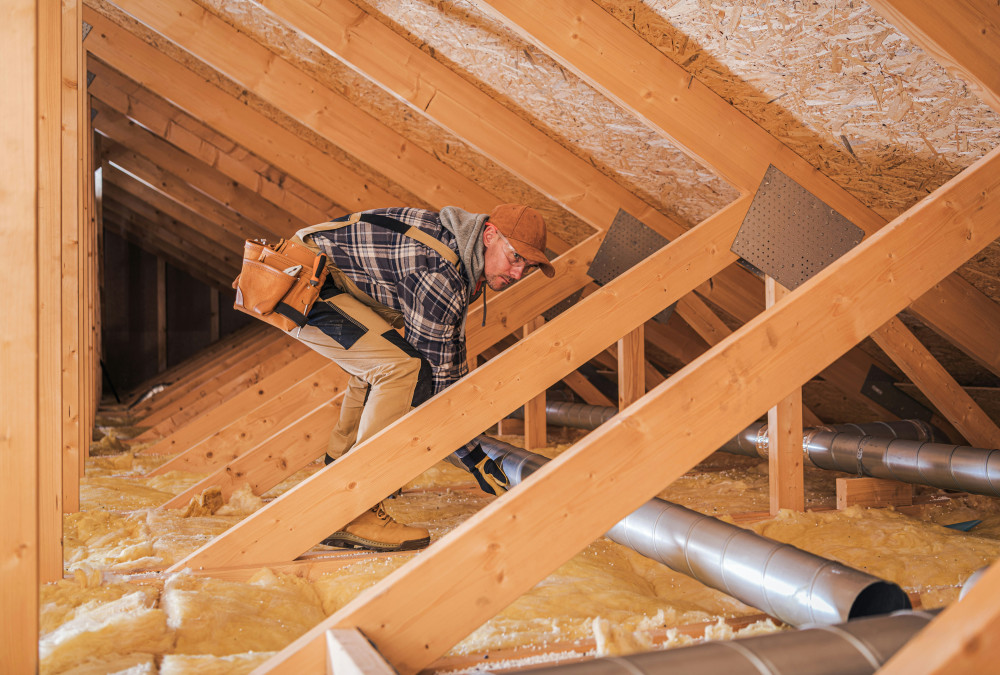
- Loft and roof insulation should be prioritised, as up to a quarter of heat can be lost here.
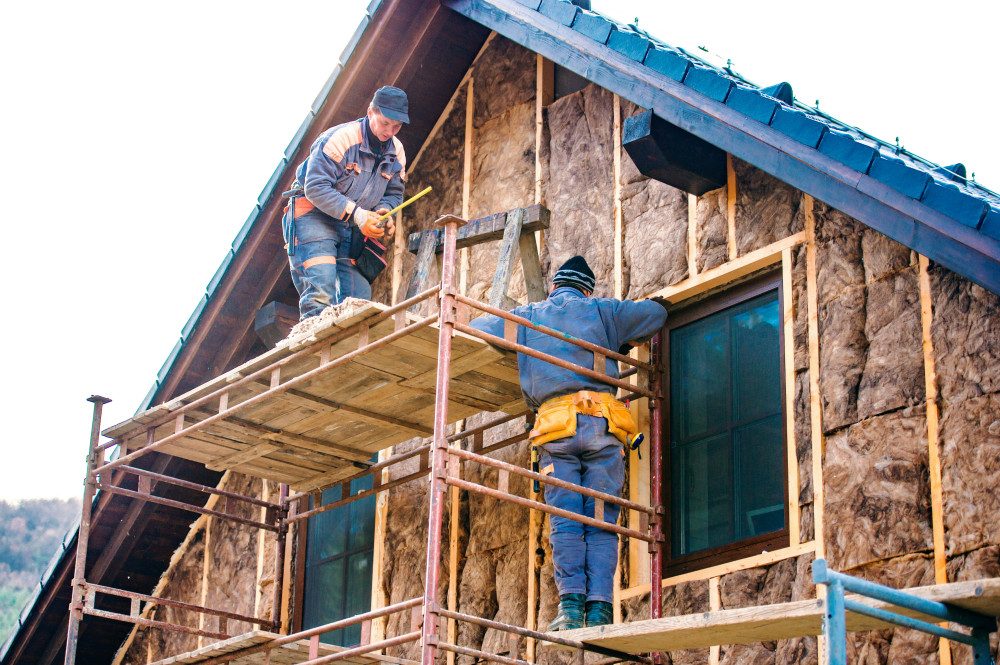
- External walls can be insulated internally or externally, depending on the building type.
- Energy-efficient windows with double or triple glazing reduce both heat loss and solar gain.
- Sealing gaps and joints prevents unwanted air leakage.
Once insulation is properly installed, your home becomes more resilient to both cold and heat – and your energy use drops significantly.
Læs også:

Ventilation and Shading – The Overlooked Factors
Even the best-insulated home needs fresh air. A modern ventilation system with heat recovery can exchange stale air for fresh air without wasting energy. In winter, it recovers heat from outgoing air; in summer, it helps remove excess warmth.
Solar shading is another important factor. External blinds, awnings, or even well-placed trees can significantly reduce solar gain. It’s far more effective to stop heat from entering than to try to cool it away afterwards.
The Connection Between Heat Loss and Cooling
Although heat loss and cooling might seem like opposites, they’re really two sides of the same coin: controlling the flow of energy through your home’s envelope. A house that loses little heat in winter will usually gain less heat in summer. That means lower energy consumption, less reliance on mechanical systems, and a more stable indoor environment.
By thinking holistically – combining insulation, ventilation, shading, and airtightness – you can create a home that’s both comfortable and energy-efficient all year round.
A Home in Balance
Understanding the relationship between heat loss and cooling isn’t just about technology; it’s about comfort and sustainability. Reducing energy waste cuts both carbon emissions and household costs. At the same time, it creates a home where the temperature feels naturally balanced – whatever the season.
Ultimately, it’s one of the best investments you can make: a home that works with the climate, not against it.
Læs også: