Grants for Insulation as Part of Your Energy Plan

Grants for Insulation as Part of Your Energy Plan
When planning to make your home more energy efficient, insulation is one of the most effective places to start. A well-insulated home retains heat in winter and stays cooler in summer – something you’ll notice in both comfort and energy bills. What many homeowners don’t realise is that there are various grants and funding schemes available in the UK that can make the investment more affordable. Here’s an overview of how insulation grants can form an important part of your overall energy plan.
Why Insulation Is Key to Energy Savings
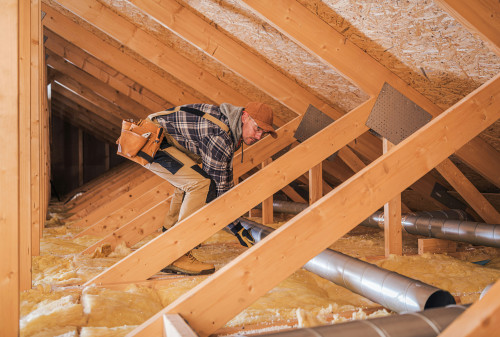
Insulation is essentially about reducing heat loss. In older homes, as much as 30–40% of heat can escape through the roof, walls, and floors if insulation is inadequate. This means you need to use more energy to maintain a comfortable temperature – and pay more for heating.
By improving your insulation, you can:
- Cut your energy use significantly and reduce your carbon footprint.
- Improve comfort levels, keeping your home warmer in winter and cooler in summer.
- Increase your property’s value, as better insulation often improves your Energy Performance Certificate (EPC) rating.
Insulation is therefore not just an expense but an investment that pays off over time – especially when combined with available grants.
What Types of Grants Are Available?
There are several UK schemes that provide financial support for energy efficiency improvements, including insulation. The main ones include:
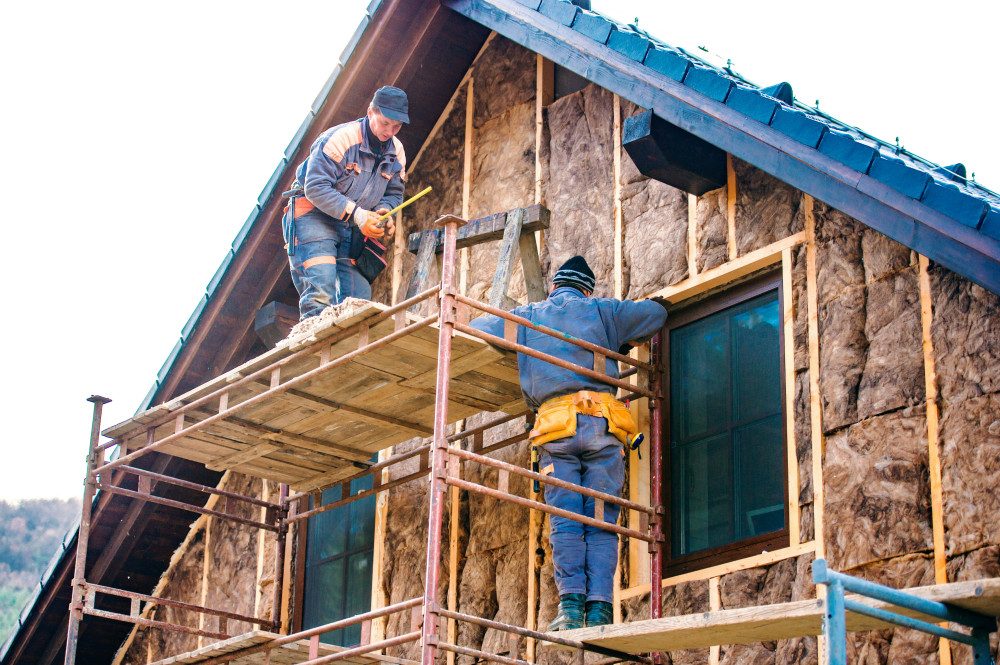
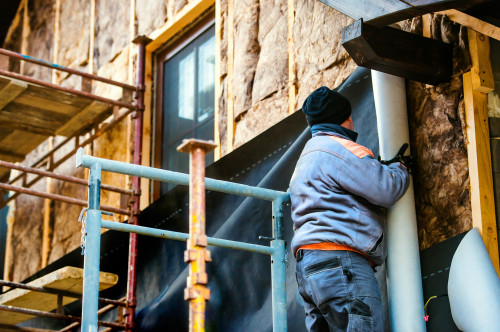
- The Great British Insulation Scheme (GBIS) – a government-backed programme offering support for households to install insulation measures such as loft, cavity wall, or solid wall insulation. It’s aimed at homes with lower energy efficiency ratings and those in lower council tax bands.
- The Energy Company Obligation (ECO4) – requires large energy suppliers to help households improve energy efficiency. If you’re on certain benefits or have a low income, you may qualify for free or heavily subsidised insulation.
- Local Authority Delivery (LAD) schemes – some councils run their own grant programmes, often in partnership with national schemes, to help residents upgrade insulation and heating systems.
- Home Upgrade Grant (HUG) – available in some regions for off-gas-grid homes, supporting insulation and low-carbon heating improvements.
It’s worth checking what’s currently available in your area, as eligibility criteria and funding levels can change from year to year.
How to Apply for a Grant
Applying for insulation grants takes a bit of preparation, but the process is straightforward if you follow a few key steps:
- Check your eligibility – visit the GOV.UK website or contact your local council to see which schemes you qualify for.
- Get an energy assessment – a qualified assessor can identify where insulation will have the biggest impact and provide the documentation often required for applications.
- Obtain quotes – you’ll usually need to provide cost estimates from approved installers.
- Apply before starting work – most schemes require approval before any installation begins.
- Keep all documentation – invoices, photos, and certificates will be needed to confirm completion and release funding.
Many installers are familiar with the grant process and can help you with the paperwork to ensure your application goes smoothly.
Læs også:
Combine Insulation with Other Energy Measures
Insulation rarely stands alone in an effective energy plan. When upgrading your home, it’s worth thinking holistically:
- Replace old windows with double or triple glazing to complement your insulation.
- Install a heat pump to make the most of your improved energy efficiency.
- Consider ventilation with heat recovery, which provides fresh air without losing warmth.
Combining several measures can lead to greater savings – and in some cases, you may be able to access funding for multiple improvements at once.
When Does It Pay Off?
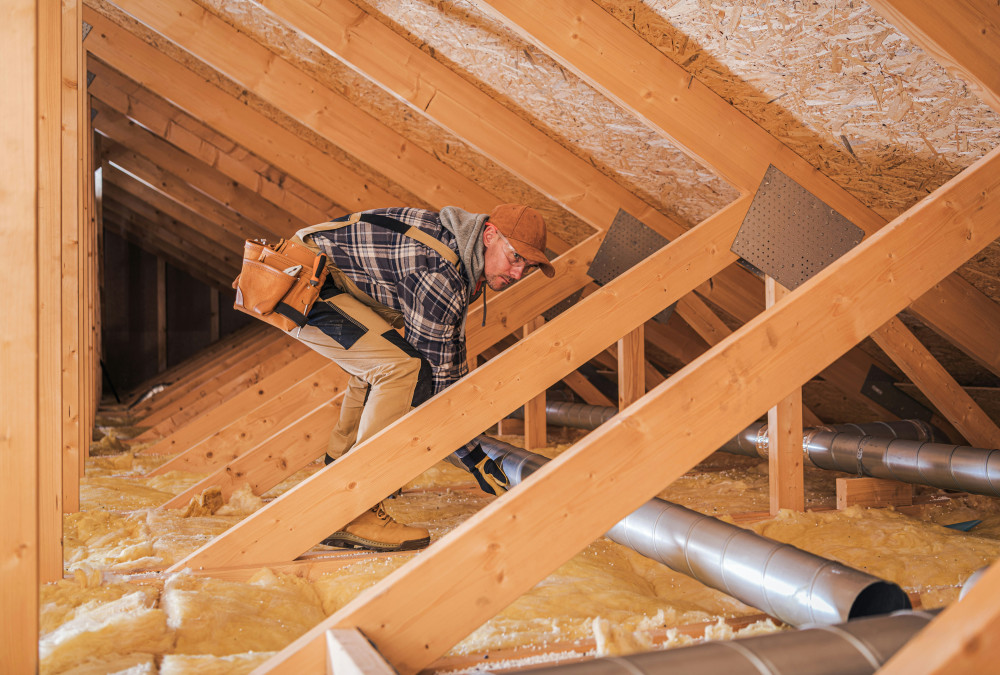
Although insulation requires an upfront investment, the payback period is often short. For example, loft insulation can typically pay for itself within 3–6 years, depending on energy prices and property size. With grants, the return on investment becomes even more attractive.
It’s important to prioritise the areas where heat loss is greatest. An energy assessor can help you identify where your money will have the biggest impact.
A Greener, More Affordable Home
Including insulation grants in your energy plan isn’t just about saving money today. It’s about future-proofing your home, reducing your environmental impact, and creating a healthier living space. With the right improvements – and a little help from available funding – you can make your home both more sustainable and more valuable.
Læs også: