Avoid Thermal Bridges and Maintain Insulation Efficiency

Avoid Thermal Bridges and Maintain Insulation Efficiency
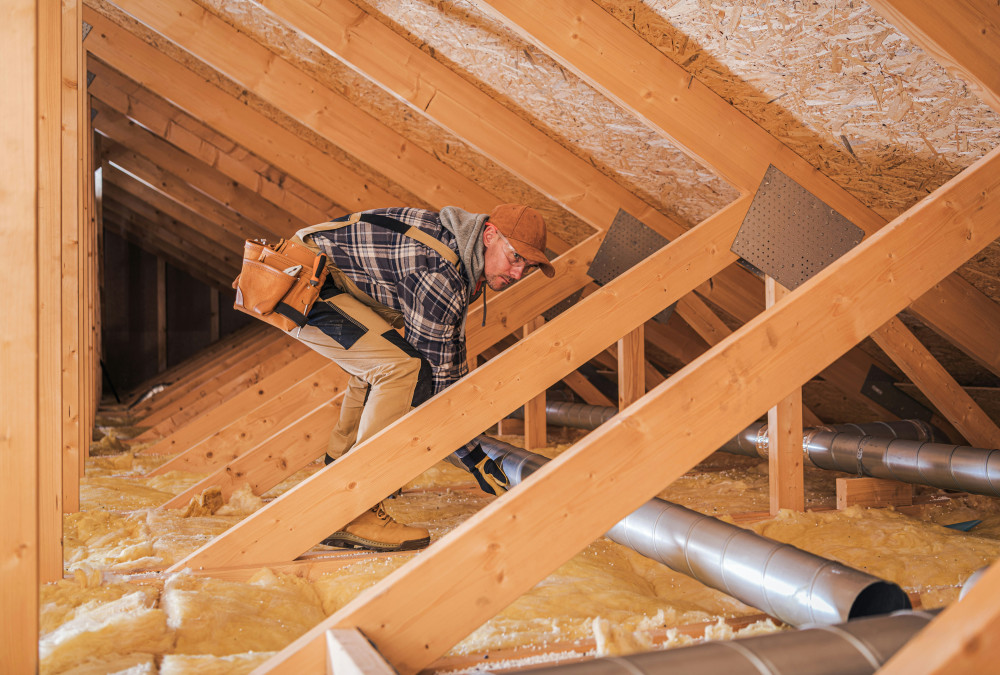
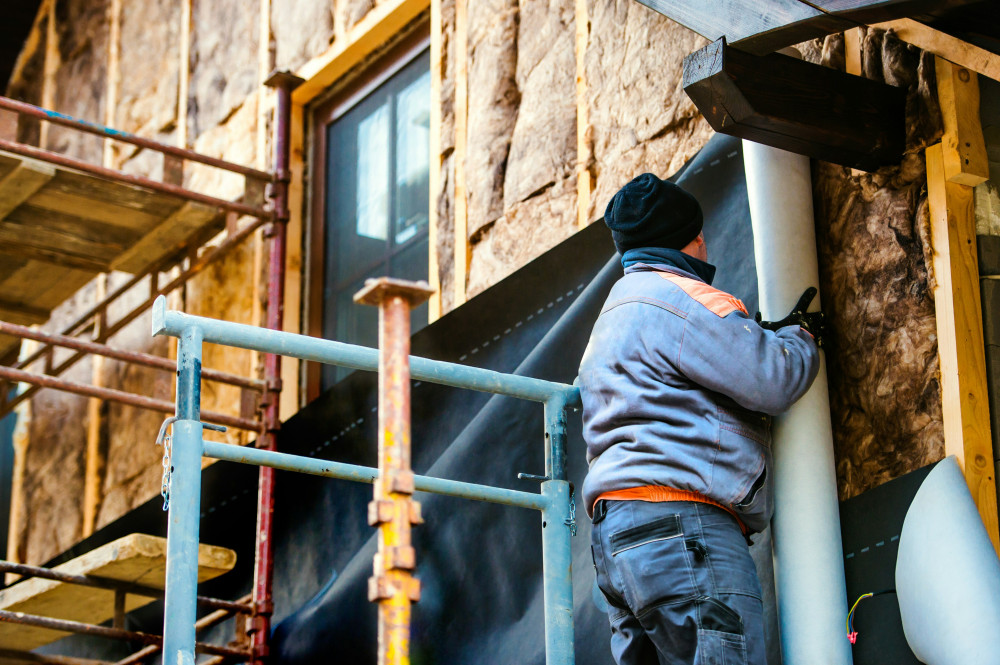
When you invest in proper insulation, you expect it to keep your home warm in winter and cool in summer. But even the best insulation can lose its effectiveness if thermal bridges occur – small weak points in the building envelope where heat escapes and cold enters. Thermal bridges can lead to energy loss, damp problems, and reduced comfort. Here’s a guide to understanding and preventing them, so your insulation performs at its best.
What Is a Thermal Bridge?
A thermal bridge forms when heat can travel through a material that conducts heat more easily than the surrounding insulation. Common culprits include steel, concrete, or timber elements that pass through the insulation layer and create a direct path between inside and outside.
Typical locations for thermal bridges include:
- Junctions between walls, roofs, and floors
- Around windows and doors
- At balconies, eaves, and foundations
- Where pipes, vents, or cables penetrate walls
Even small thermal bridges can have a noticeable impact on your home’s energy efficiency and indoor comfort.
Læs også:
Why Are Thermal Bridges a Problem?
Thermal bridges don’t just make your home colder – they can also cause condensation and mould. When warm, moist indoor air meets a cold surface, water vapour condenses. Over time, this can lead to dark patches, musty smells, and even structural damage.
They also increase your heating bills. Heat lost through thermal bridges means your boiler or heat pump must work harder to maintain a comfortable temperature. In older UK homes, where insulation may already be patchy, the effect can be significant.
In short: thermal bridges waste energy, reduce comfort, and can damage your home.
How to Spot Thermal Bridges
Some thermal bridges are visible to the naked eye – for example, damp corners, peeling paint, or areas that feel noticeably colder. Others require more precise detection.
You can:
- Use an infrared camera to identify cold spots on walls and ceilings.
- Measure surface temperatures with a thermometer – large differences can reveal problem areas.
- Check for draughts around windows, doors, and junctions.
If you’re unsure, a professional energy assessor can carry out a thermographic survey to pinpoint exactly where heat is escaping.
Preventing Thermal Bridges in New Builds
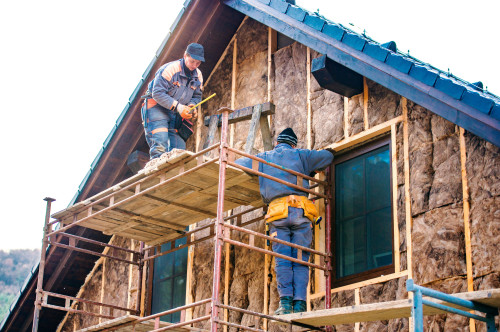
The best way to avoid thermal bridges is to plan for them during design and construction. The goal is to create a continuous, unbroken layer of insulation around the building.
- Use thermal break materials at junctions between walls and foundations.
- Ensure windows and doors are properly installed, with insulation fitted snugly around frames.
- Avoid continuous conductive materials, such as steel beams that pass through the insulation layer.
- Pay attention to details – even small gaps for pipes or cables should be sealed carefully.
Architects and structural engineers can design details that minimise heat loss and meet UK Building Regulations for energy efficiency.
Improving Existing Homes
In older properties, completely eliminating thermal bridges can be difficult, but there are many ways to reduce their impact.
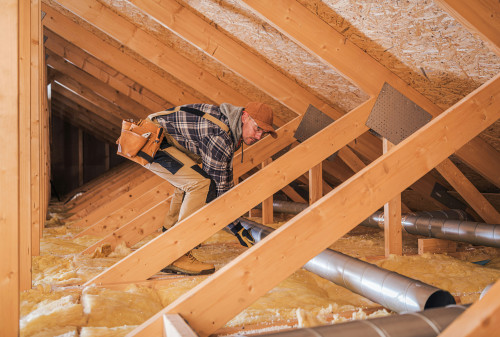
- Add insulation to key areas such as lofts, floors, and external walls.
- Replace old windows with modern, energy-efficient units and ensure correct installation.
- Seal joints and cracks with appropriate sealants or insulation tape.
- Consider internal wall insulation if external insulation isn’t possible – but take care to manage moisture properly.
Professional advice can help you choose the right approach and avoid creating new moisture problems.
Small Details, Big Difference
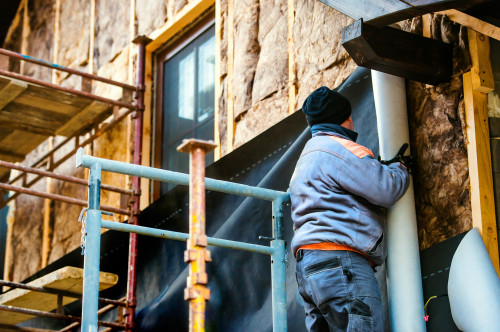
Even minor improvements can make a noticeable difference. A well-fitted vapour barrier, properly sealed joints, or an extra layer of loft insulation can significantly reduce heat loss. Think of your home as a complete system – every component must work together to keep warmth in and cold out.
Once thermal bridges are addressed, you’ll not only see lower energy bills but also enjoy a more comfortable and healthier indoor environment.
An Investment That Pays Off
Fixing thermal bridges takes time and attention to detail, but it’s an investment that quickly pays for itself. You’ll benefit from lower heating costs, fewer damp issues, and a home that feels warm and cosy all year round.
By combining quality insulation with careful workmanship, you can ensure your home retains heat efficiently – and that your insulation performs at its best for many years to come.
Læs også: