Work Safely on the Roof – Top Tips for Roof Repairs

Work Safely on the Roof – Top Tips for Roof Repairs
Working on your roof can be both rewarding and necessary – but it’s also one of the most dangerous DIY tasks you can take on. A single slip, a loose tile, or missing safety gear can lead to serious injury. Whether you’re replacing a few broken slates or tackling a larger repair, safety must always come first. Here are some essential tips to help you work safely and effectively on your roof.
Preparation Is the Key to Safety
Before you even set foot on the roof, take time to plan the job carefully. Assess what needs to be done and how extensive the work will be. Are you clearing gutters, replacing tiles, or repairing flashing around a chimney?
Make a checklist of all the tools and materials you’ll need, and ensure everything is ready before you start. This reduces the number of times you’ll need to climb up and down the ladder – one of the most common causes of accidents.
Always check the weather forecast. Avoid working on the roof in rain, frost, or strong winds, as surfaces can quickly become slippery and dangerous.
Use the Right Safety Equipment
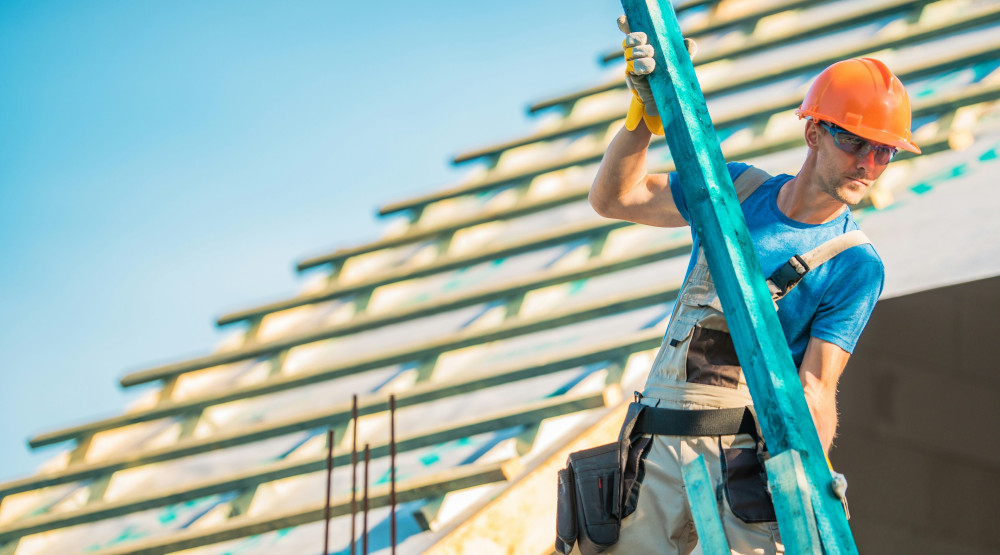
Safety gear isn’t just for professional roofers – it’s essential for anyone working at height. The most important items include:
- Non-slip footwear with good grip to prevent slipping on tiles or slates.
- A safety harness and lanyard, securely anchored to a strong fixing point such as a roof anchor or structural beam.
- A hard hat, to protect against falling tools or debris.
- Work gloves, to improve grip and protect your hands from sharp edges.
If you’re working on a steep roof, use a roof ladder or scaffold platform to provide a stable working surface. It may seem like an extra expense, but it’s an investment in your safety.
Ensure Safe Access
A stable, properly positioned ladder is essential. Place it on firm, level ground at a 75-degree angle, and make sure it extends at least one metre above the roof edge so you have something to hold onto when stepping on or off the roof.
Use a ladder stabiliser or ladder footing device to prevent slipping. For longer jobs, consider hiring a mobile scaffold tower – it offers better comfort and safety than a ladder alone.
Know Your Roof Type and Condition
Different roof types require different approaches. Slate and clay tiles can be fragile, while older corrugated sheets may contain asbestos if installed before the 1980s. If you suspect asbestos, do not attempt to remove or cut the material yourself – contact a licensed specialist.
Inspect the roof before starting work. Look for loose tiles, rotten battens, or weak areas that could give way under your weight. Move carefully and distribute your weight evenly to avoid damage or falls.
Work Calmly and Methodically
Once on the roof, move slowly and deliberately. Avoid sudden movements, and always maintain three points of contact – two feet and one hand, or two hands and one foot.
Keep your tools in a tool belt or bucket with a rope, so you don’t have to balance with loose items. If you’re working with someone else, agree on clear signals and communication to avoid surprises or dropped tools.
Watch the Weather – and Yourself
Even on a sunny day, roof work can be physically demanding. Take regular breaks, drink plenty of water, and protect yourself from the sun. Fatigue and dehydration increase the risk of mistakes and accidents.
If the weather changes and the wind picks up, stop work and come down. It’s always better to postpone the job than to risk a fall.
When to Call a Professional
Some jobs are simply too risky to do yourself. If the roof is very steep, high, or involves working near chimneys, skylights, or electrical cables, it’s best to call a professional roofer.
A qualified tradesperson has the right equipment, experience, and insurance to carry out the work safely. In the long run, it can save you time, money, and worry.
Læs også:
Safe Roof Work Starts on the Ground
Roof safety is all about preparation, awareness, and respect for height. With the right equipment, a solid plan, and an honest assessment of your own abilities, you can handle many small repairs yourself – without putting your safety at risk.
Remember: the best result isn’t just a watertight roof, but making sure you get back down safely.
Læs også: