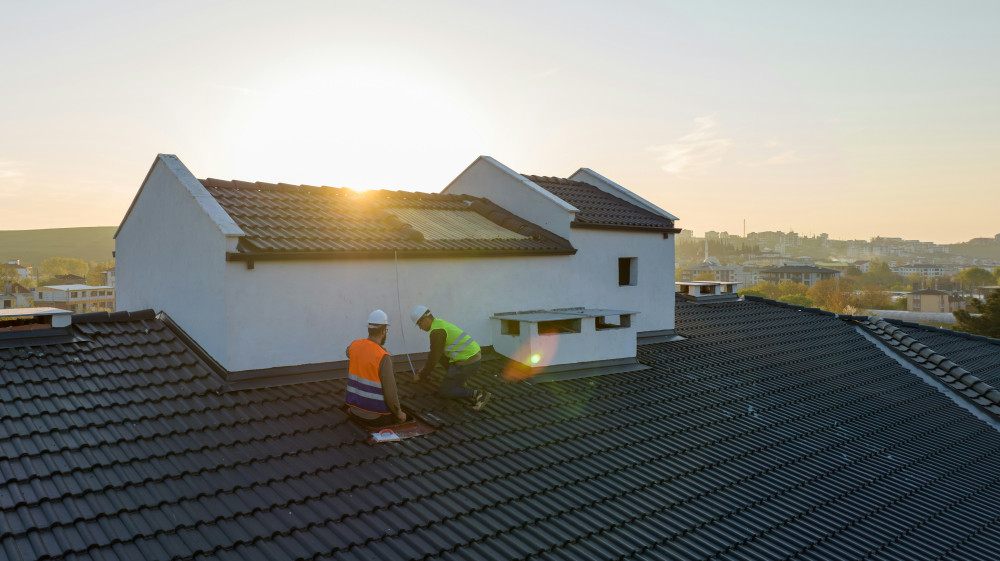
Concrete Roof Tiles – Do They Contribute to a Home’s Insulation?


Concrete Roof Tiles – Do They Contribute to a Home’s Insulation?
When choosing a roofing material for your home, appearance, durability and cost all play a part. But many homeowners also wonder: does the roof covering itself affect how well the house is insulated? Concrete roof tiles are a common sight across the UK thanks to their strength and traditional look – but how much do they actually contribute to insulation?
Concrete roof tiles – strong but not insulating on their own
Concrete roof tiles are made from a mix of cement, sand and water, moulded and cured into dense, durable tiles. This makes them excellent at withstanding the British weather – from heavy rain to strong winds. However, concrete itself is not a good insulator compared with materials such as mineral wool or rigid foam boards.
In other words, concrete tiles do not significantly insulate a home by themselves. Their main job is to protect the roof structure from the elements, not to keep heat in. The real insulation lies beneath the tiles, usually in the loft or roof structure.
The benefit of thermal mass
Although concrete tiles don’t insulate, their high mass can have a small indirect effect on indoor comfort. Because they are heavy, they heat up and cool down more slowly than lightweight materials such as metal sheets.
This means that on hot summer days, concrete tiles absorb heat gradually and release it slowly, helping to reduce overheating in the loft. In winter, they can retain a little warmth after sunny spells. The effect is modest, but it can contribute to a more stable temperature inside the roof space.
Læs også:



Insulation happens below the tiles
When we talk about a roof’s insulation performance, what really matters is the insulation layer beneath the tiles. In most British homes, this is found in the loft, where mineral wool or other insulation materials are laid between and over the joists.
Current UK building regulations recommend around 270–400 mm of loft insulation to achieve good energy efficiency. This layer is what prevents heat loss through the roof. The tiles above act as a weatherproof shield, protecting the insulation from moisture and physical damage.
If you want to improve your home’s energy performance, upgrading the loft insulation will have a far greater impact than changing the roof tiles.
Other advantages of concrete roof tiles
Even though they don’t add much to insulation, concrete roof tiles have several other benefits that make them a popular choice:
- Long lifespan: With proper maintenance, concrete tiles can last 50 years or more.
- Good sound reduction: Their weight helps to dampen noise from rain and external sounds better than lightweight materials.
- Weather resistance: They perform well in the UK’s variable climate, resisting frost, wind and UV exposure.
- Aesthetic flexibility: Available in a range of colours and profiles, they suit both modern and traditional homes.
These qualities make concrete roof tiles a reliable and attractive roofing option, even if they don’t directly improve insulation.
How to ensure an energy-efficient roof
If your goal is a roof that both protects and helps reduce energy bills, focus on the overall roof system:
- Check your insulation: Make sure your loft or roof space has sufficient insulation thickness.
- Seal gaps: Look for draughts around loft hatches, pipes and vents that could let warm air escape.
- Maintain ventilation: Proper airflow in the roof space prevents condensation and keeps insulation effective.
- Keep the roof in good condition: Clear gutters and remove moss so rainwater can drain freely.
A well-insulated and well-maintained roof is one of the best investments for comfort and energy savings – regardless of the roofing material.
Conclusion: Concrete tiles protect – insulation retains the heat
Concrete roof tiles don’t directly insulate your home, but they play an essential role in the roof’s overall performance. They shield the structure and insulation from the weather and, thanks to their mass, can help stabilise temperatures slightly. The real thermal protection, however, comes from the insulation layer beneath.
In short: concrete tiles keep the rain out – the insulation keeps the warmth in.
Læs også: