When Your Pet Gets Restless During Grooming – How You Can Help

When Your Pet Gets Restless During Grooming – How You Can Help
For many pet owners, brushing, nail trimming or a trip to the groomer is simply part of routine care. But for your pet, it can be a stressful experience. Some animals fidget or try to hide, while others show clear signs of fear. The good news is that there’s a lot you can do to help your pet feel calm and safe – both at home and with professionals.
Understand Why Your Pet Reacts
Restlessness during grooming is rarely about “bad behaviour”. It’s usually a sign of anxiety or past negative experiences. Animals respond instinctively to sounds, smells and touch, and if they associate grooming with discomfort, they’ll naturally try to avoid it.
- Cats may become anxious when faced with unfamiliar scents, loud noises or being held still.
- Dogs often react to the sound or vibration of clippers and nail grinders.
- Small pets such as rabbits or guinea pigs are especially sensitive to sudden movements and firm handling.
Understanding the cause of your pet’s unease is the first step towards changing how they feel about grooming.
Create a Calm Environment at Home
Grooming should take place in a quiet, familiar space where your pet feels secure. Choose a spot away from distractions, and make sure you’re calm yourself – animals quickly pick up on your mood.
- Use a soft towel or blanket that smells of home.
- Speak in a gentle, steady voice, and avoid sudden movements.
- Offer breaks if your pet becomes restless – short sessions are better than forcing it through.
- Reward with treats or praise so grooming becomes a positive experience.
Over time, you can help your pet get used to grooming tools by letting them sniff or hear them without any pressure or discomfort.
Læs også:

Train Patiently and in Small Steps
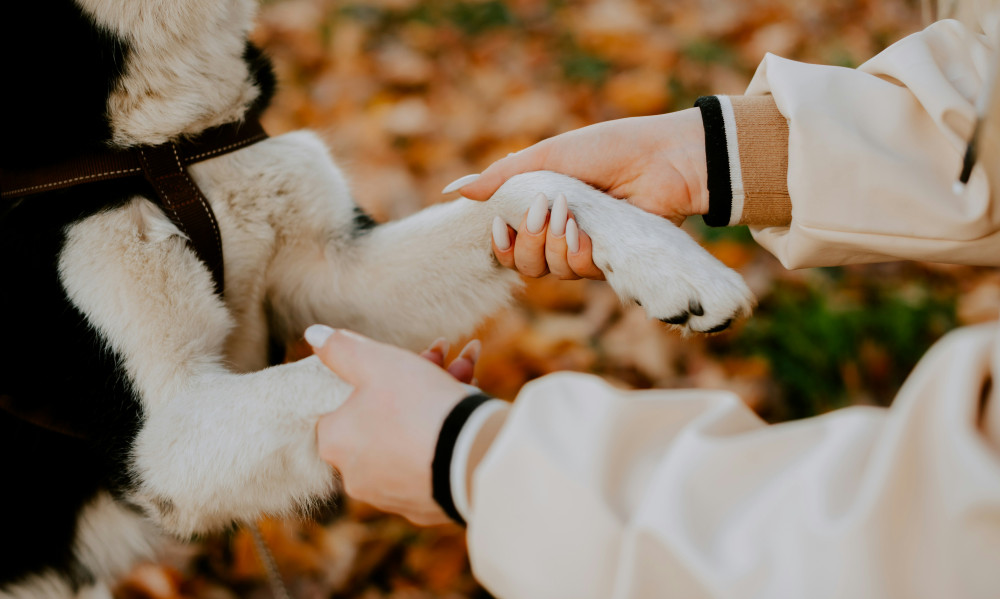
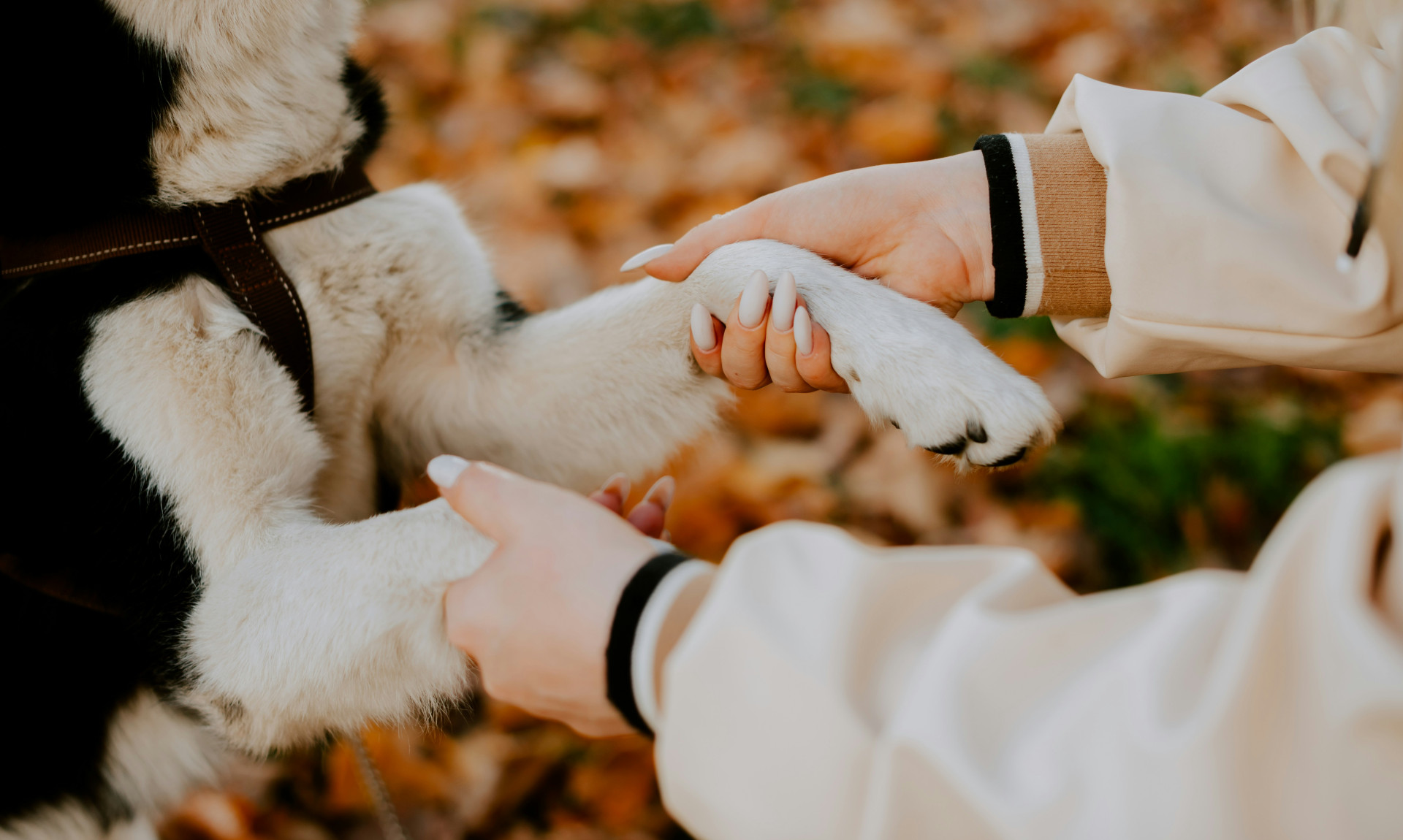
Gradual desensitisation is one of the most effective ways to reduce stress. Start with short sessions – perhaps just touching your pet’s paws, brushing a small area, or turning on the clippers without using them. When your pet stays calm, slowly increase the duration.
Some animals may need several weeks to adjust to a particular grooming routine. The key is patience and respect for your pet’s limits. Gentle, consistent training will always work better than rushing.
Use Helpful Tools Wisely
There are many products designed to make grooming easier – from calming sprays to special brushes and nail clippers with safety guards. Choose equipment that suits your pet’s size, coat type and temperament.
If you’re considering calming aids or supplements, always check with your vet first. Not all products are suitable for every animal, and professional advice ensures they’re safe and effective.
When to Seek Professional Help
If your pet becomes extremely anxious or aggressive, it may be time to seek professional support. An experienced groomer, behaviourist or vet can offer guidance on how to manage your pet’s stress.
Some grooming salons and veterinary practices in the UK offer “familiarisation visits”, where your pet can explore the environment without any treatment. This can make future appointments much less daunting.
Remember – Calm Is Contagious
Animals often mirror their owner’s emotions. If you stay calm, patient and consistent, your pet is more likely to relax too. Turn grooming into a positive routine rather than a struggle – perhaps with some soothing background music, a favourite treat and plenty of praise.
With time, understanding and the right approach, even the most restless pet can learn that grooming isn’t something to fear, but simply another part of a safe and loving life.
Læs også: