Teach Your Pet to Tell the Difference Between Its Toys


Teach Your Pet to Tell the Difference Between Its Toys
Most pets love to play – but not all of them know what actually counts as a toy. Many dogs and cats end up chewing shoes, furniture or children’s teddies simply because they don’t understand the difference. Fortunately, you can teach your pet to tell its own toys apart from everything else in your home. It takes patience, consistency and a bit of insight into how animals learn.
Why pets don’t automatically know the difference
For us, it’s obvious that a rubber ball is a toy while a slipper isn’t. For animals, it’s all about smell, texture and availability. If something smells like you and feels fun to chew or chase, it’s an invitation to play. That’s why it’s important to set clear boundaries for what’s allowed and what isn’t.
Start by choosing the right toys
The first step is to find toys that suit your pet’s age, size and personality.
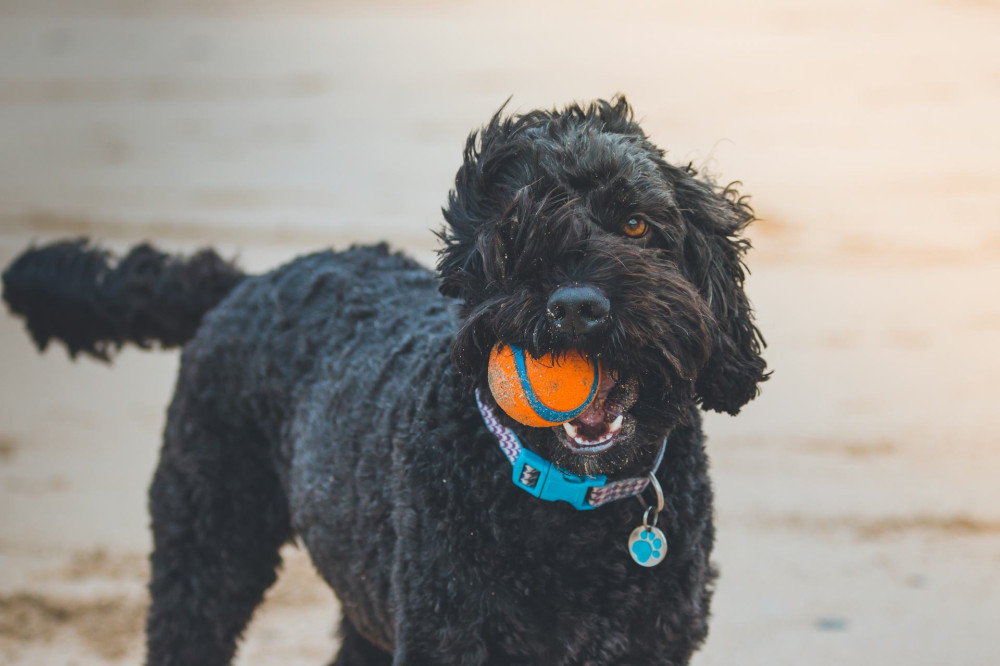
- For dogs: Choose toys that can withstand chewing and don’t resemble household items. A soft toy that looks like your child’s teddy can be confusing. Go for ropes, balls or rubber chew toys instead.
- For cats: Cats love movement and sound. Feather wands, balls with bells or puzzle toys that trigger their hunting instincts are great choices. Avoid string or small parts that could be swallowed.
- For small pets: Wooden blocks, cardboard tubes and tunnels give them something safe to gnaw and explore without damaging their cage or surroundings.
When you pick toys, make sure they’re only used during playtime or training. That way, your pet will associate them with fun and positive attention.
Establish clear routines
Animals learn best through repetition. If you always play with your pet in the same way and with the same objects, it quickly becomes a habit. Use consistent commands such as “play” or “your ball” when you bring out the toys. Over time, your pet will connect the word and the situation with the right object.
When playtime is over, put the toys away. This helps your pet understand that toys aren’t something to grab whenever they fancy – they’re something special that comes out when you’re involved.
Stay calm when mistakes happen
If your pet takes something it shouldn’t, avoid shouting or punishing. That only creates confusion and anxiety. Instead, calmly remove the item and offer one of its toys instead. Praise and reward your pet when it makes the right choice.
For example, if your dog picks up a shoe, say a firm “no”, take the shoe away and hand over its ball. When it starts playing with the ball, praise it immediately. Over time, your pet will learn that choosing its own toy leads to good things.
Use scent and rewards to help
Animals rely heavily on their sense of smell. You can use this to your advantage by giving your pet’s toys a distinctive scent – for instance, by rubbing them lightly with a treat or using a pet-safe scent spray. This makes the toys more appealing and easier to recognise.
Rewards are also powerful. Each time your pet chooses its own toy, give a small treat or plenty of praise. This strengthens the link between the correct behaviour and a positive outcome.
Keep playtime fun and varied
Just like people, pets can get bored if they always play with the same things. Rotate their toys regularly and introduce new types of play. This keeps them interested and reduces the temptation to find “new toys” around the house.
You can even make your own toys – a cardboard box with holes for a cat to explore, or a frozen treat for a dog on a hot day. The key is to keep it safe and stimulating.
Læs også:


Patience pays off
Teaching your pet to tell the difference between its toys takes time. Some animals pick it up quickly, while others need many repetitions. Be consistent but kind. Eventually, your pet will learn what belongs to it and what doesn’t – saving you from chewed shoes and frustration.
By investing time in teaching good habits, you’ll not only create a calmer home but also strengthen the bond between you and your pet. Playtime becomes more than just fun – it becomes a way to communicate and understand each other.
Læs også: