The evolution of solar roof technology – from niche solution to mainstream roofing technology

The evolution of solar roof technology – from niche solution to mainstream roofing technology
Just a decade ago, solar roofs were seen as an expensive and experimental option for a small group of eco-conscious homeowners. Today, they are becoming a realistic choice for many in the UK who want to combine sustainability, energy efficiency, and modern design. The shift has been driven by rapid technological progress, falling costs, and a growing national commitment to reducing carbon emissions. But how did solar roofs move from being a niche innovation to a mainstream roofing technology?
Early years – innovation with limitations
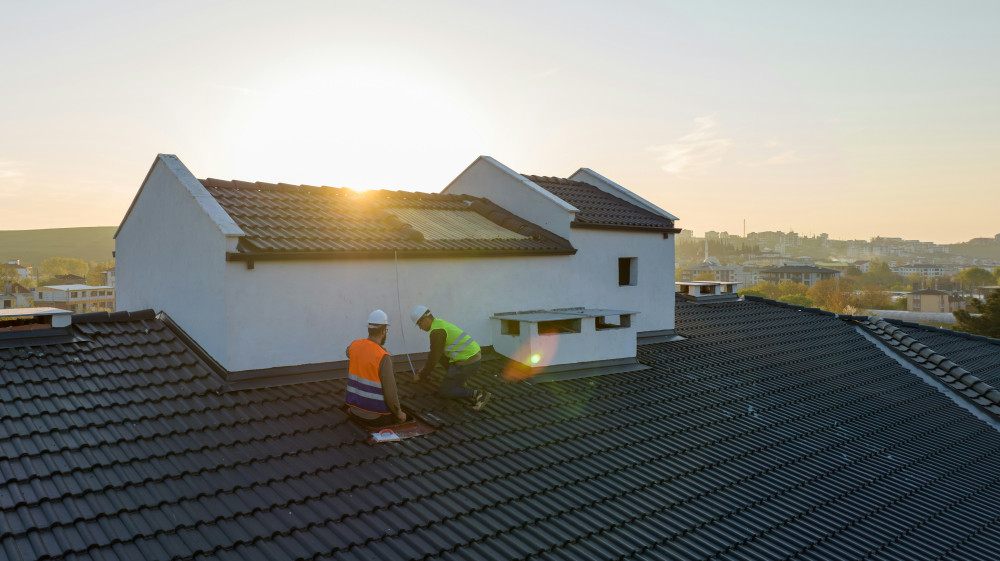
The first solar roof systems began appearing in the UK around the early 2010s. At that time, solar technology was still relatively new, and the cost of installation was high. Most systems involved mounting traditional solar panels on top of existing roofs, often resulting in bulky installations that disrupted the building’s appearance. Fully integrated solar roofs – where the photovoltaic cells form part of the roof surface itself – were still in their infancy.
These early systems came with compromises. Their efficiency was lower than that of conventional solar panels, and design options were limited. For many homeowners, the technology was intriguing but not yet practical or affordable enough to justify the investment.
Technological progress and falling costs
Throughout the 2010s, the technology matured rapidly. Manufacturers began integrating solar cells directly into roofing materials such as tiles, slates, and metal sheets. This made it possible to create roofs that were both functional and visually appealing. At the same time, the global price of solar modules dropped dramatically – by more than 80% since 2010 – making solar energy far more accessible.
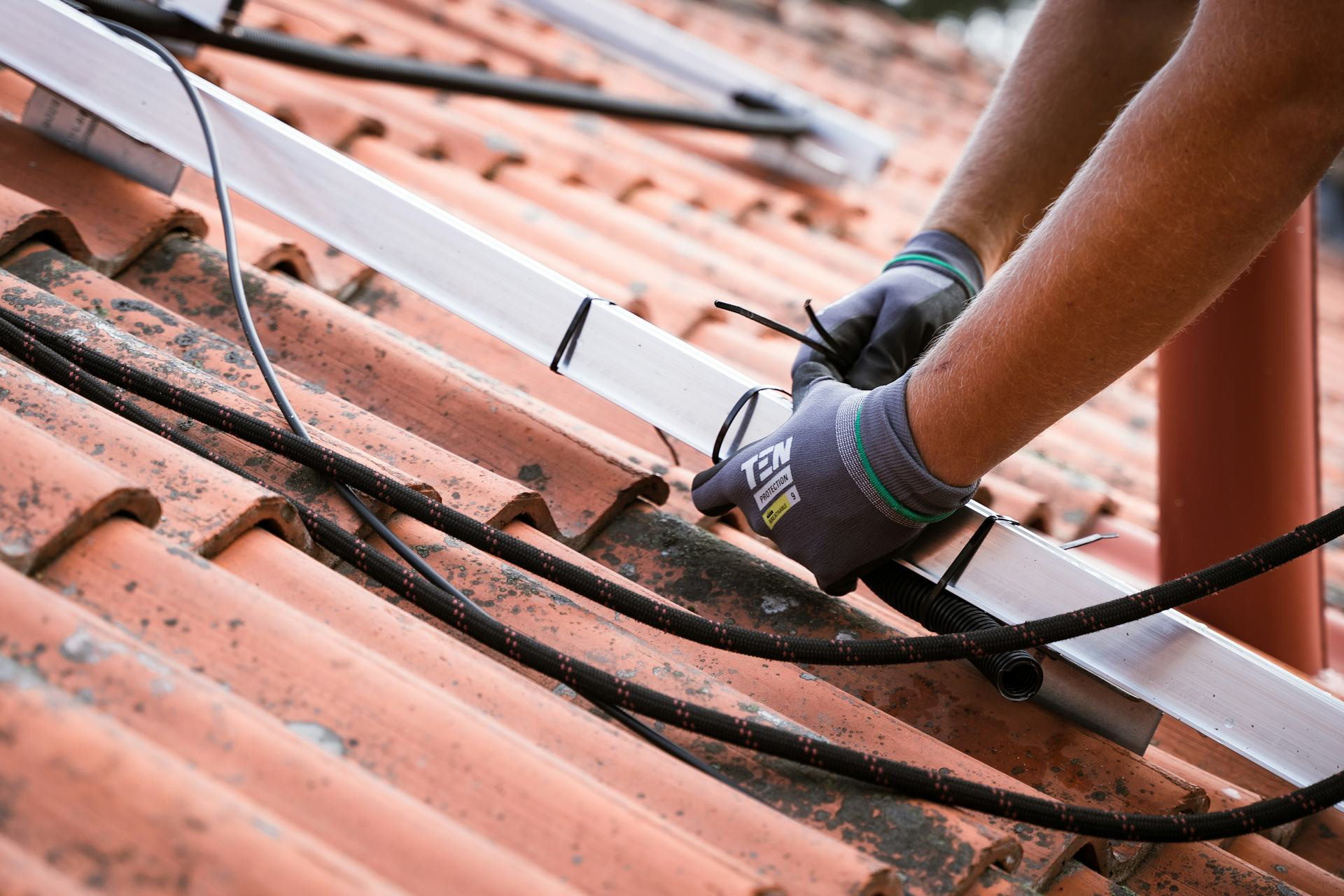
Modern solar roofs became more efficient, durable, and easier to install. Many systems could now connect directly to a home’s electrical system and be paired with battery storage, allowing homeowners to use stored energy when the sun isn’t shining. These improvements transformed solar roofs from a futuristic concept into a practical solution for everyday households.
Design and architecture take centre stage
One of the biggest barriers to solar adoption has always been aesthetics. Many homeowners were reluctant to install large, dark panels that clashed with traditional British architecture. The new generation of solar roofs changed that perception. Today, solar tiles can mimic the look of clay or slate, blending seamlessly with both modern and heritage-style homes.
Architects and developers increasingly view solar roofs as an integral part of a building’s design rather than an add-on. This shift has been particularly important in new housing developments, where energy efficiency standards are tightening and visual harmony is a key consideration.
From government incentives to standard practice
As the technology matured, UK policy and market conditions began to support wider adoption. Government initiatives such as the Smart Export Guarantee (SEG) and various local grant schemes have encouraged homeowners to generate their own renewable energy. Meanwhile, rising energy prices have made self-generation more financially attractive.
Housebuilders and roofing companies are now offering solar roofs as standard or optional features in new builds. For homeowners, this means solar roofing is no longer an experimental choice but a sound investment that can reduce energy bills, increase property value, and contribute to the UK’s net-zero goals.
The future: intelligent roofs and energy networks
The next generation of solar roofs is already emerging. Equipped with smart sensors and software, these systems can optimise energy production in real time and communicate with other household technologies such as electric vehicles and heat pumps. In the near future, solar roofs could become active components in local energy networks, where homes share and store electricity collectively.
This evolution means that the roof of the future will do far more than protect against the elements – it will generate, manage, and distribute energy as part of a connected, sustainable ecosystem.
Læs også:


From niche to norm
In just a few years, solar roofs have evolved from a visionary idea to a mainstream technology. They represent the intersection of innovation, design, and sustainability – a clear example of how the built environment is adapting to the challenges of the 21st century. The modern roof is no longer just a shelter; it is a source of power, value, and progress.
Læs også: