Spots that keep coming back? How to get rid of them for good


Spots that keep coming back? How to get rid of them for good
Few things ruin a freshly painted room like a stain that insists on reappearing – even after several coats of paint. Whether it’s nicotine, damp, rust, or marks from an old water leak, stubborn stains can be frustrating. But with the right approach, you can get rid of them once and for all. Here’s how to identify the cause and choose the best solution.
Step one: Identify what you’re dealing with
Not all stains are the same, and each type needs a different treatment. Start by figuring out what’s causing the discolouration.
- Nicotine and soot – yellowish or greyish stains, often found in older homes or rooms where people have smoked.
- Damp and water damage – dark, irregular patches that may feel cold or damp to the touch.
- Rust and metal marks – reddish-brown stains that can appear around nails, pipes, or radiators.
- Bleed-through from dyes or wood knots – for example, from marker pens, adhesives, or old wallpaper paste.
Once you know the cause, you can choose the right treatment – and avoid wasting time and paint on a fix that won’t last.
Læs også:
Clean thoroughly before painting
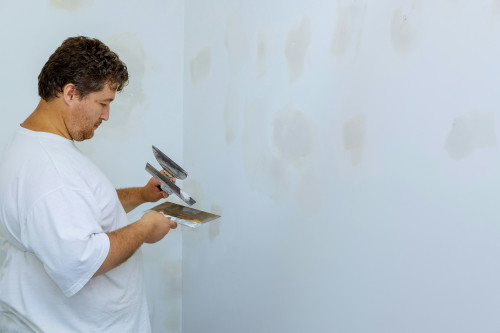
One of the most common mistakes is painting straight over the stain. It might seem like a quick fix, but without proper cleaning, the mark will likely show through again.
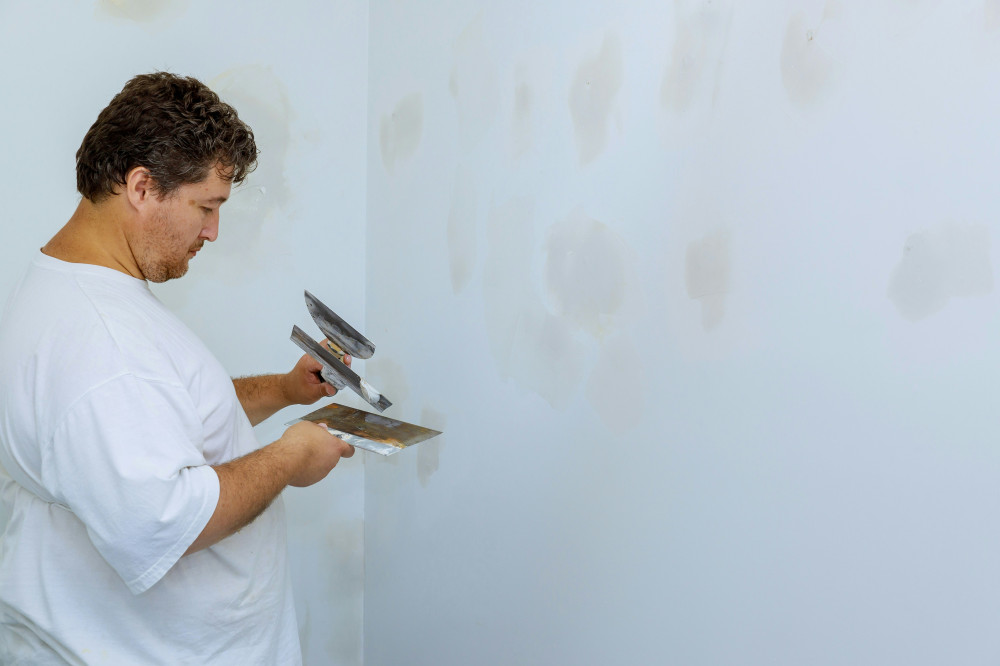
- Wash the surface with sugar soap or a mild cleaning solution to remove grease, nicotine, and dirt. Use a sponge or cloth, then rinse with clean water.
- Let the wall dry completely before moving on. Moisture trapped under paint can make the problem worse.
- Lightly sand if the surface is uneven, and wipe away any dust with a dry cloth.
A clean, dry surface is essential for stain-blocking primer or paint to adhere properly.
Use the right stain-blocking primer
If you want to stop stains from coming back, a stain-blocking primer is your best friend. It acts as a barrier, preventing discolouration from seeping through your new paint.
There are several types to choose from:
- Water-based stain blockers – ideal for light nicotine or soot stains, quick-drying and low odour.
- Oil- or shellac-based primers – more effective against heavy stains such as damp, rust, or dye bleed-through, but they need good ventilation.
- Specialist damp or mould primers – use these if the stain is caused by moisture, and make sure to fix the underlying issue too.
Apply the primer evenly with a brush or roller, and let it dry according to the manufacturer’s instructions. In some cases, two coats may be needed.
Paint with quality – and patience
Once the primer is dry, you can paint the wall in your chosen colour. Use a high-quality paint that offers good coverage and a durable finish. Cheaper paints often need more coats and can leave uneven results, increasing the risk of stains showing through again.
Paint in smooth, even strokes, and allow each coat to dry fully before applying the next. It might take a little longer, but the result will be far more lasting.
Prevent the problem from returning
Even the best paint can’t hide an ongoing issue. If the stain is caused by damp, you’ll need to fix the source – whether that’s a leaking gutter, poor ventilation, or condensation. Otherwise, the discolouration will keep coming back.
- Ensure good ventilation in rooms with high humidity, such as bathrooms and kitchens.
- Check pipes and fittings for leaks.
- Use a dehumidifier in basements or other damp-prone areas.
By tackling the cause rather than just the symptom, you’ll make sure your hard work lasts.
A lasting finish
Getting rid of stubborn stains takes a bit of extra effort, but it’s worth it. With the right combination of cleaning, stain-blocking primer, and quality paint, you can achieve walls that look fresh – and stay that way.
So next time you spot a mark threatening to return, you’ll know exactly what to do: stop it before it gets the chance.
Læs også: