Create Calm or Energy with the Right Surfaces

Create Calm or Energy with the Right Surfaces
Colours, materials and finishes have a far greater impact on our wellbeing than we often realise. They influence not only how a room looks, but also how it feels to spend time in. With the right choices, you can create calm in the bedroom, energy in the kitchen or focus in your home office – all through thoughtful use of surfaces and colour.
Surfaces that Create Calm
If you want a space that invites relaxation, start with soft, matte finishes. They reflect less light and create a more subdued atmosphere.
- Matt paint on walls and ceilings softens the light and gives a calm, understated look.
- Natural materials such as wood, wool and linen add warmth and texture.
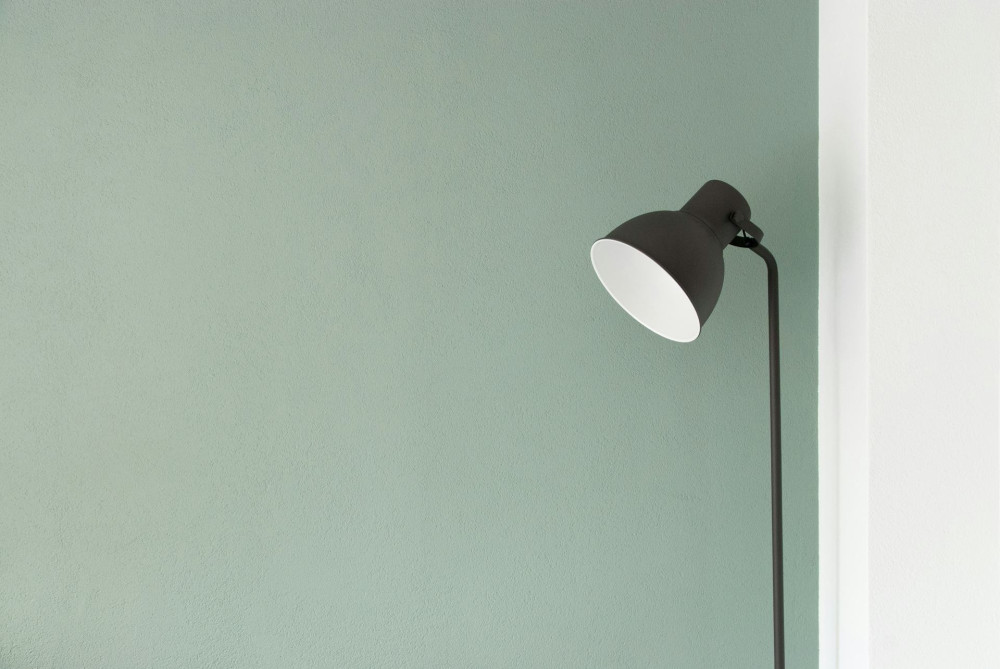
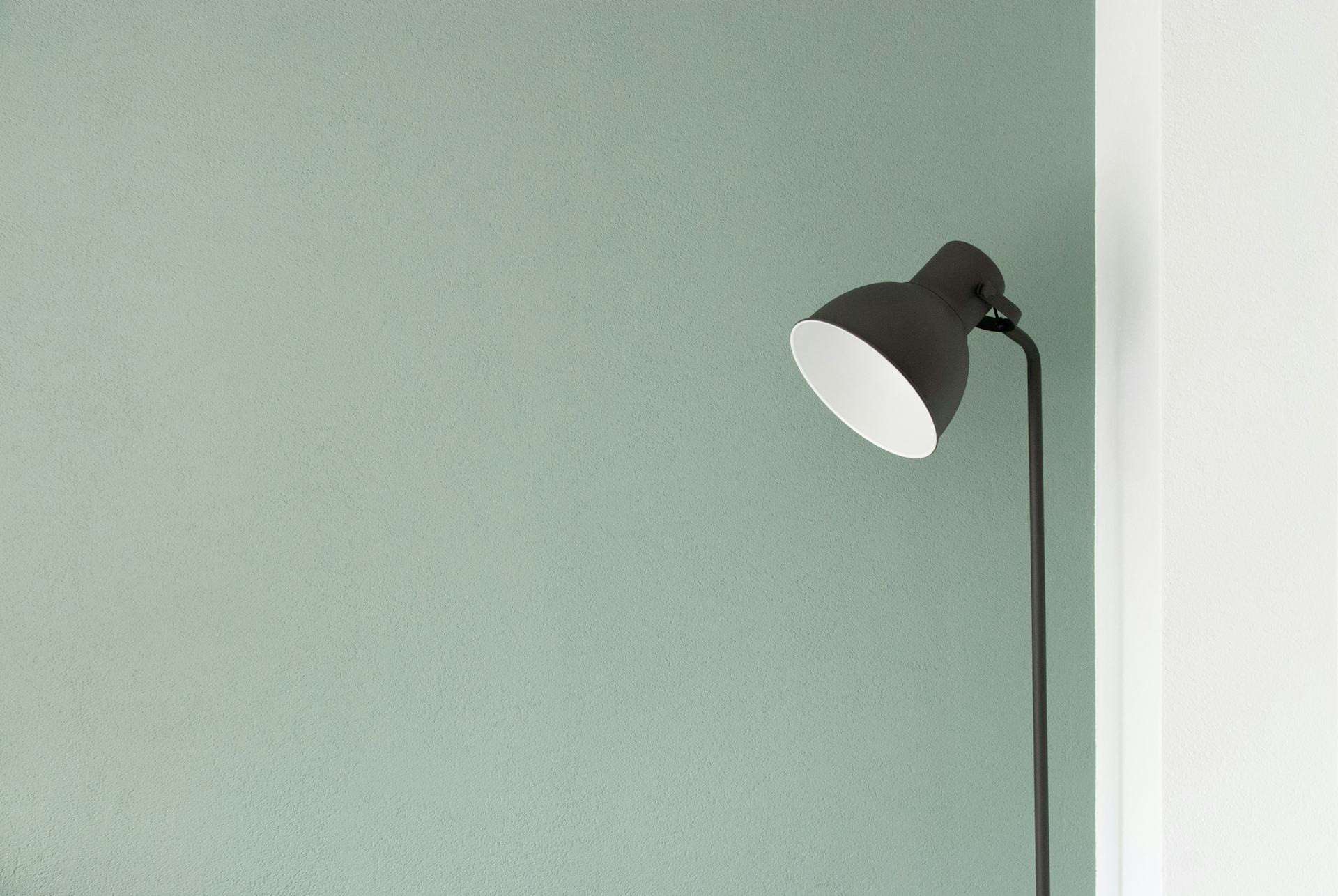
- Muted colours like sand, sage and dusty blue feel soothing and timeless.
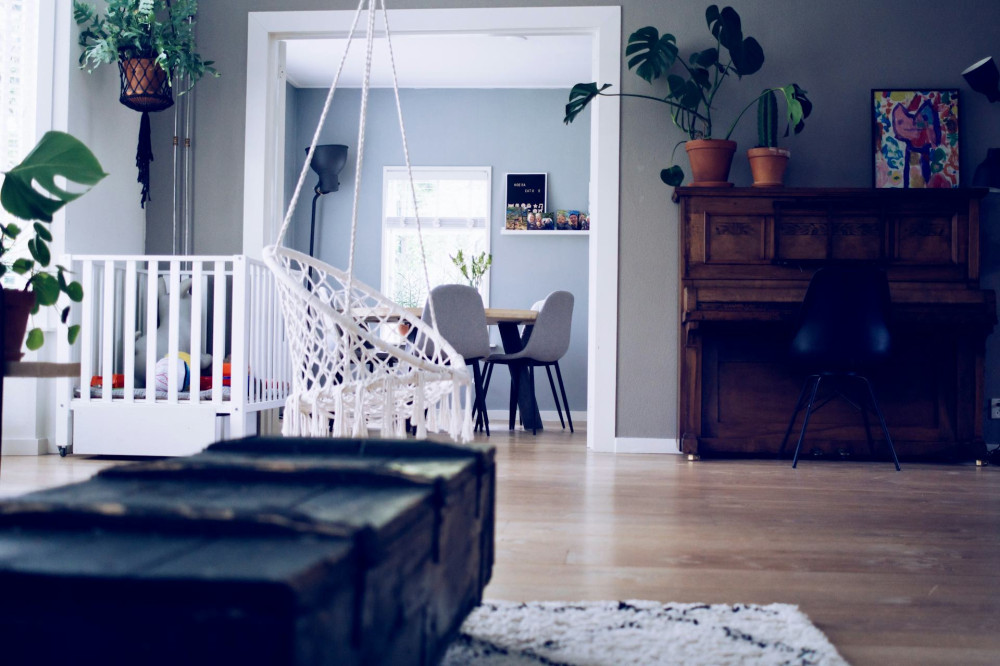
In a bedroom or living room, combine matte walls with textiles in different textures – perhaps a linen throw, a wool rug and cushions in soft fabrics. This layering adds depth and a sense of comfort.
Surfaces that Bring Energy
In rooms where you want to feel alert and inspired, glossier finishes and brighter colours can make a big difference.
- Satin or eggshell paint reflects more light and makes a space feel fresher and more dynamic.
- Smooth surfaces such as lacquered wood, glass or metal give a modern, energetic feel.
- Warm-toned colours – think ochre, terracotta or coral – can lift the mood and add vibrancy.
A kitchen or home office can come alive with a feature wall in a warm shade and surfaces that play with light. The key is balance – enough shine and colour to energise, but not so much that it overwhelms.
The Power of Texture and Colour
When decorating, it’s not just the colour but also the texture of a surface that shapes the atmosphere. A rough wall in a deep tone can feel cosy and enveloping, while a smooth, pale wall opens up the space and adds airiness.
Try mixing contrasts: a matte wall against a glossy worktop, or a textured wall beside sleek furniture. This interplay creates visual interest and makes a room feel more layered and personal.
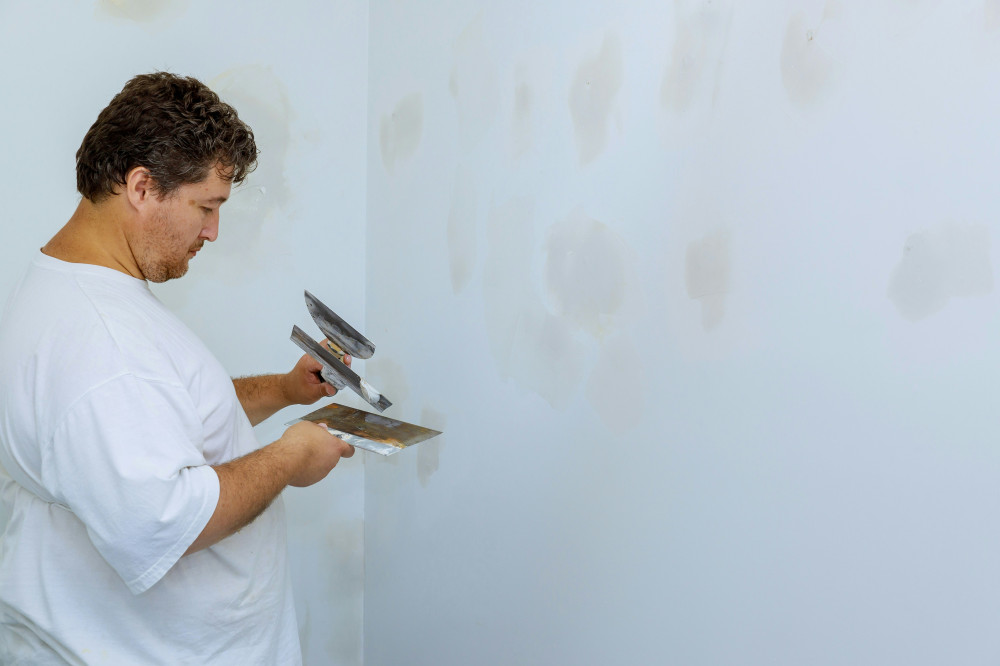
If you’re painting yourself, experiment with different finishes. A low-sheen wall feels calm and understated, while a higher sheen adds life and reflection.
Light and Surfaces – A Crucial Connection
The light in a room has a huge influence on how colours and finishes appear. A north-facing room in the UK tends to have cooler light, which can make colours look bluer, while a south-facing room gets warmer light that enhances yellows and reds.
It’s worth testing colours and finishes in the actual space before deciding. Paint a sample board and observe how it changes throughout the day – from the soft morning light to the golden glow of evening.
Læs også:


Creating a Cohesive Home
Even though each room serves a different purpose, it’s important that your home feels connected as a whole. Choose a consistent colour palette and repeat materials across rooms – perhaps the same type of wood or similar tones in different finishes.
This approach creates harmony while still allowing variation. It’s not about making everything identical, but about finding a natural rhythm between calm and energy.
Small Changes, Big Impact
You don’t need to redecorate the entire house to feel a difference. Sometimes a single wall, a piece of furniture or a new surface treatment is enough to transform the mood.
- Paint one wall in a soft, restful shade to bring balance to a bedroom.
- Refresh kitchen cabinets with a semi-gloss finish for a lively, clean look.
- Use limewash or chalk paint in the living room for a tactile, calming effect.
The most important thing is to choose surfaces that match the atmosphere you want – and the way you live in each space.
Læs også: