Prepare for Your Pet’s Changing Needs

Prepare for Your Pet’s Changing Needs
A pet often stays with us for many years – from a lively puppy or curious kitten to a calm senior companion. Along the way, their needs change significantly, both physically and emotionally. As an owner, you can do a great deal to ensure your pet thrives at every stage of life. It takes awareness, flexibility, and an understanding of how age, environment, and lifestyle affect your animal. Here’s a guide to help you prepare for your pet’s changing needs.
From Energetic Youth to Calm Routine
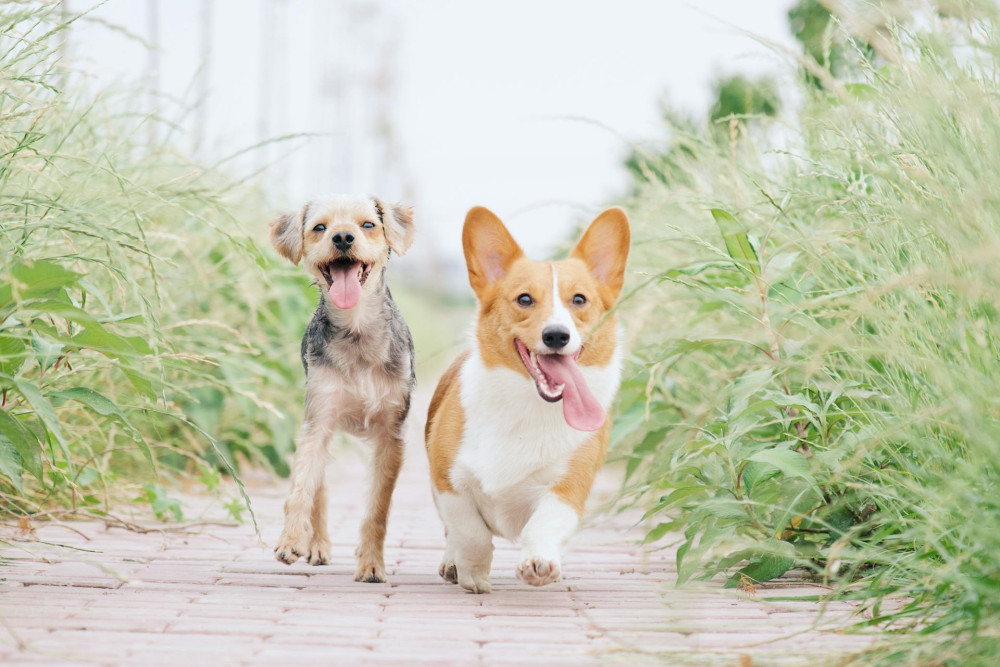
The early years with a pet are full of play, learning, and boundless energy. Puppies and kittens need stimulation, socialisation, and training to grow into confident, well-adjusted adults. This requires time, patience, and consistency – but also brings the joy of watching them learn something new every day.
As your pet matures, their activity level usually settles. It’s important to find a balance between exercise and rest. Many animals thrive on predictable routines – knowing when it’s time for walks, meals, and quiet moments. Routine provides security and helps prevent stress.
Nutrition Through the Life Stages
Diet is one of the most important aspects that changes with age. Young animals need energy and nutrients for growth, while adults require a balanced diet to maintain a healthy weight. As pets get older, their metabolism slows, and their nutritional needs shift.
- Puppies and kittens: Food rich in energy and nutrients to support growth.
- Adult pets: Maintenance diets suited to their size, breed, and activity level.
- Senior pets: Easily digestible food that supports joints, heart, and immune function.
Speak to your vet about when to change your pet’s diet. Even small adjustments can make a big difference to long-term health.
Health and Preventive Care
Regular health checks are essential for monitoring your pet’s development. Many conditions can be detected early if you pay attention to changes in behaviour, appetite, or movement.
Vaccinations, dental care, and parasite prevention should be part of your routine. As your pet ages, your vet may recommend blood tests or X-rays to monitor organ function and joint health.
Keep an eye on your pet’s weight – both weight gain and loss can signal underlying issues.
Mental Stimulation and Wellbeing
A pet’s mental needs evolve just as much as their physical ones. Young animals crave play and challenges, while older pets often prefer calm and predictability.
- Play and training: Use toys, scent games, and gentle training to keep their mind active.
- Social contact: Most pets enjoy company – whether from humans or other animals.
- Comfort and security: Avoid too many sudden changes at home, especially for senior pets.
If your pet seems anxious, restless, or withdrawn, it may be a sign they need more reassurance or a quieter environment.
Adapting Your Home
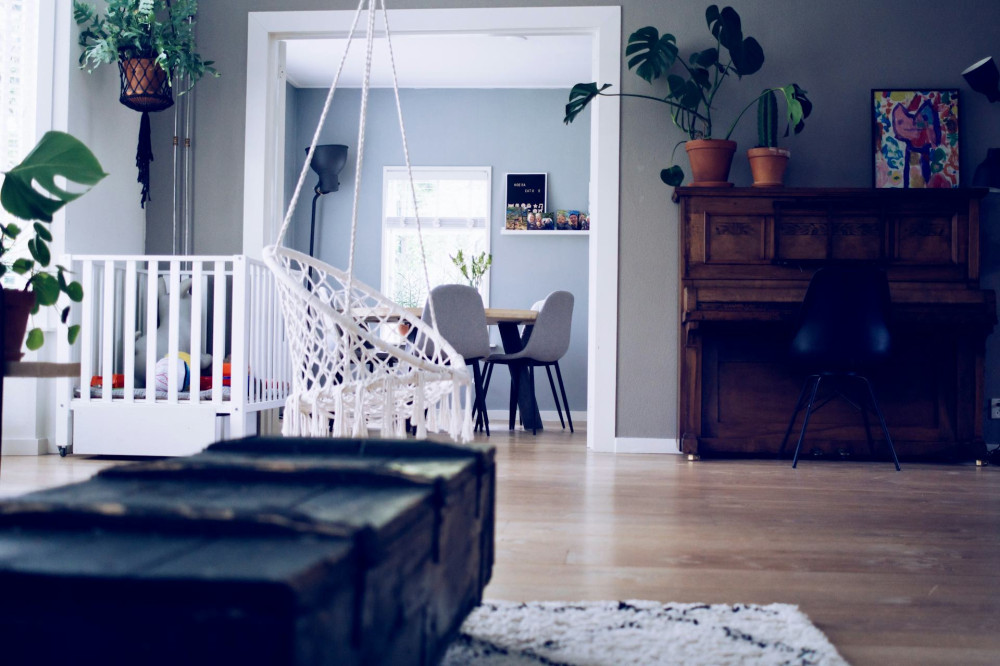
A home that suits a young, active dog may not be ideal for an older one. Think about how you can make your home more accessible as your pet ages:
- Add non-slip mats on smooth floors.
- Raise food and water bowls to a comfortable height.
- Provide soft, easily accessible resting spots.
- Minimise noise and disruption if your pet needs more rest.
Small changes can make a big difference to comfort and quality of life, especially in later years.
Læs også:



When Your Pet Becomes a Senior
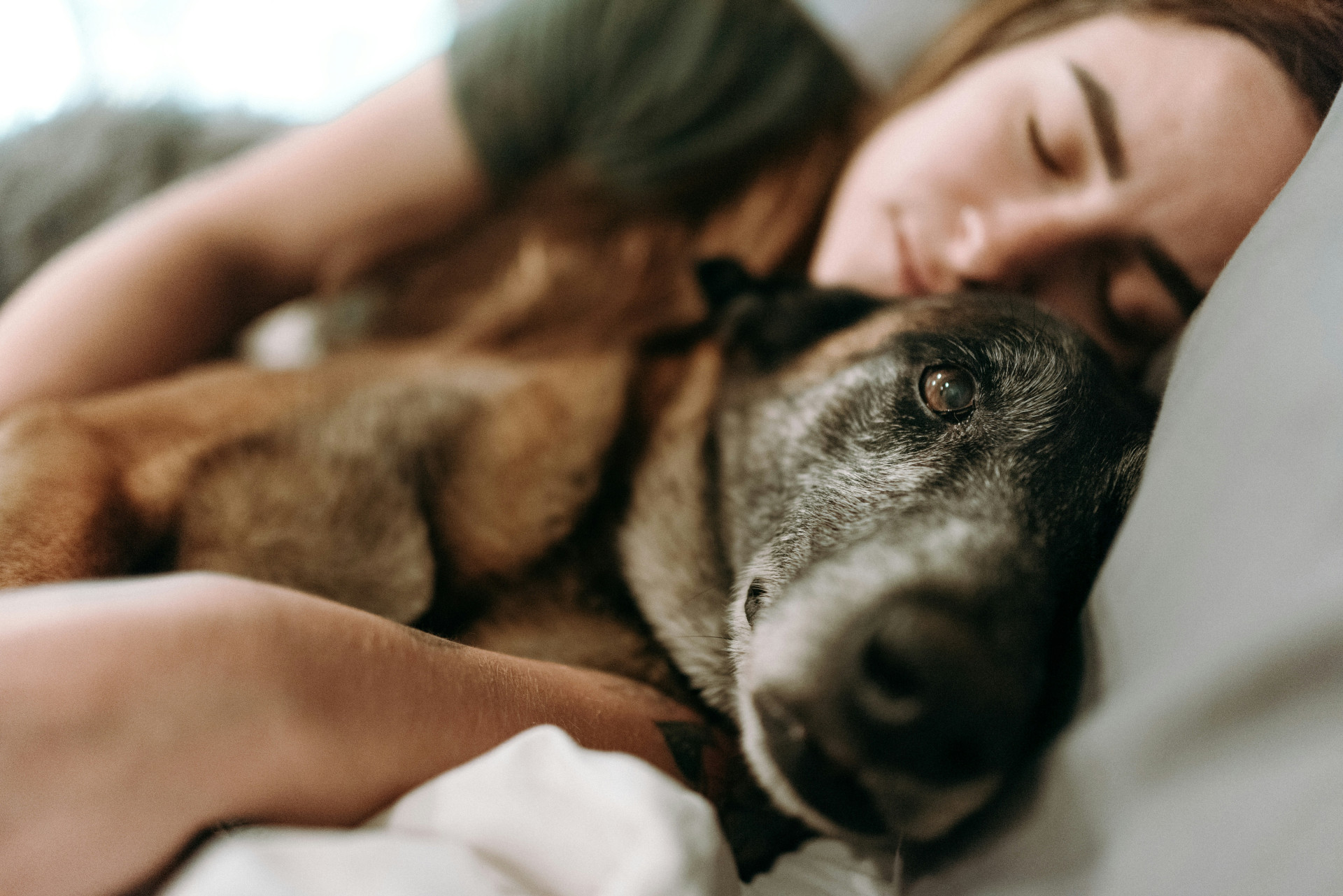
Ageing in pets often happens gradually. Your dog may walk more slowly, or your cat may sleep longer. This is natural, but it means you’ll need to adjust your expectations. Shorter walks, gentler play, and more rest are often what they need.
Keeping a simple diary of changes in behaviour, appetite, and mobility can help you and your vet track your pet’s wellbeing and decide when extra support might be needed.
A Lifelong Commitment – and a Lasting Joy
Owning a pet is a lifelong responsibility. It means staying attentive to their changing needs and adapting as they grow older. In return, you gain a bond that deepens over time – from playful beginnings to quiet companionship.
By recognising and responding to your pet’s evolving needs, you can give them a long, healthy, and happy life – and enjoy the special connection that only a beloved pet can bring.
Læs også: