Create Patterns and Structure in Brickwork for a Personal Touch

Create Patterns and Structure in Brickwork for a Personal Touch
Brickwork is far more than a practical way to hold a building together. It’s also a design element that can give your home character, rhythm, and individuality. By working consciously with patterns, texture, and colour variations in your brickwork, you can create a look that complements your home’s architecture and reflects your personal style. Here’s how to use the many possibilities of brick to achieve a distinctive and harmonious result.
The Many Faces of Brick
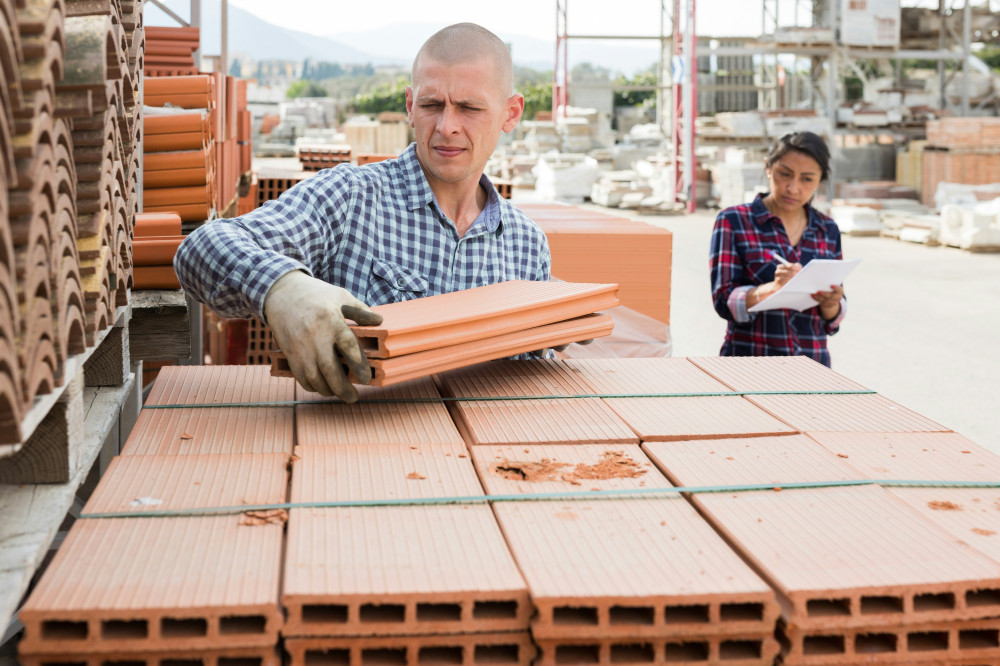
Bricks come in a wide range of colours, finishes, and sizes. From traditional red and buff tones to contemporary greys, creams, and deep charcoals, each choice brings its own atmosphere. The surface can be smooth, wire-cut, handmade, or sand-faced – and each reacts differently to light and weather.
When choosing bricks, consider how they will appear in different lighting conditions. A darker brick can feel elegant and grounded but may also appear heavy, while a lighter brick can make a façade feel fresh and welcoming. The combination of colour and texture forms the foundation of your brickwork’s character.
Læs også:

Playing with Bonds and Patterns
One of the most effective ways to add variation to brickwork is through the bond – the pattern in which the bricks are laid. Classic bonds such as stretcher bond, English bond, and Flemish bond each create their own rhythm and visual effect.
- Stretcher bond is the most common and gives a calm, horizontal flow.
- English bond alternates rows of stretchers and headers, creating a strong and traditional look.
- Flemish bond mixes stretchers and headers within each row, producing a lively, decorative pattern.
You can also introduce subtle variations by turning a brick on end, projecting a few bricks slightly, or using a contrasting colour in a specific area. Small details like these can have a big impact when used thoughtfully.
Texture and Shadow as Design Tools
The surface of brickwork can be used creatively to add depth and movement. By working with projections, recesses, or relief patterns, you can make the façade come alive with changing light and shadow. As the sun moves across the wall, the play of light will shift, giving the building a dynamic quality.
A popular technique is to let certain bricks stand proud in a pattern – perhaps around windows, in horizontal bands, or as a subtle motif across the wall. This not only adds texture but also highlights the craftsmanship and materiality of brick.
Combining Materials for Contrast
Brick pairs beautifully with other materials, and mixing them can create striking contrasts. Timber, zinc, stone, or glass can all enhance the warmth and texture of brickwork. A timber-clad extension against a brick wall can feel modern yet balanced, while a concrete plinth can emphasise the solidity of the structure.
When combining materials, pay attention to proportions and transitions. A clear separation – for example, a shadow gap or a defined edge – helps achieve a clean, considered finish.
The Importance of Mortar Joints
Mortar joints are often overlooked, but they play a crucial role in the overall appearance of brickwork. A light-coloured mortar highlights the pattern and gives a crisp, graphic look, while a darker mortar creates a more uniform and subdued surface. Matching the mortar colour to the brick can produce a seamless, elegant effect.
The joint profile also matters: a recessed joint adds depth and shadow, while a flush joint gives a flatter, more solid impression. These small details can transform the way a wall is perceived.
Creating a Personal Expression with Care
Designing patterned or textured brickwork is all about balance. Too many effects can feel chaotic, while too few may seem plain. Start by deciding what you want to emphasise – the entrance, a feature wall, or the overall form of the house – and then use pattern, colour, and texture to support that focus.
It’s also worth considering the local context. In a historic British street, it can be beautiful to echo traditional bonds or colours, while a new build in a rural setting might invite more experimentation. The key is to create harmony between your design and its surroundings.
Brickwork with Character and Longevity
When you introduce pattern and structure into your brickwork, you’re not only creating something visually appealing – you’re also building for the long term. Brick is one of the most durable and low-maintenance materials available, making it both a practical and aesthetic investment.
Thoughtful brickwork tells a story of craftsmanship, materials, and individuality. By paying attention to the details, you create a home that stands out with quiet confidence – and one that will endure beautifully for generations.
Læs også: