Cracks in Brickwork – How to Deal with Them Safely in Houses with Basements or Sloping Ground


Cracks in Brickwork – How to Deal with Them Safely in Houses with Basements or Sloping Ground
Cracks in brickwork can be worrying for any homeowner. Some are harmless and purely cosmetic, while others may signal deeper structural movement. This is especially true for houses with basements or those built on sloping ground, where soil pressure and drainage issues can play a major role. Here’s a practical guide to understanding why cracks appear, how to assess their seriousness, and what steps to take to keep your home safe and sound.
Why Do Cracks Appear in Brickwork?
Cracks can develop for many reasons, and not all of them are serious. Buildings naturally expand and contract with changes in temperature and moisture, but certain conditions make cracking more likely.
- Foundation movement – Over time, the ground beneath a house can shift, particularly on clay soils or sloping sites. Uneven settlement can cause cracks to form in the walls.
- Water and drainage issues – Poor drainage around basements or foundations can lead to water pressure building up against walls, eventually causing cracks.
- Alterations and extensions – Adding new structures or removing load-bearing walls can create stress points if not properly designed.
- Frost and temperature changes – Water that seeps into brickwork and freezes expands, gradually widening small cracks.
Identifying the underlying cause is the first step towards choosing the right repair method.
Assessing the Severity of Cracks
Not every crack requires immediate action, but it’s important to distinguish between minor and potentially serious ones.
- Hairline cracks (under 1 mm) are usually harmless and often caused by drying or minor thermal movement.
- Cracks between 1–3 mm should be monitored. Mark the ends with a pencil and note the date so you can check if they grow over time.
- Cracks wider than 3 mm or those running through several bricks may indicate structural movement. In such cases, it’s wise to consult a structural engineer or building surveyor.
Taking regular photos can help you track changes and provide useful evidence if professional advice is needed later.
Special Considerations for Houses with Basements
Basement walls are under constant pressure from the surrounding soil and groundwater. Cracks here can quickly worsen if not addressed properly.
- Check the drainage system – A functioning perimeter drain or French drain is essential to divert water away from the foundation. Blocked or missing drains can increase water pressure and lead to cracking.
- Watch for damp signs – Dark patches, flaking paint, or white salt deposits (efflorescence) on basement walls may indicate moisture entering through cracks.
- Repair from both sides if necessary – Small cracks can often be sealed with injection mortar or waterproofing compounds, but larger ones may require excavation and external sealing.
Although these repairs can seem extensive, they protect both the structure and the indoor environment in the long term.
Sloping Ground – A Hidden Challenge
Homes built on slopes face unique pressures. Rainwater naturally flows downhill, and if the ground isn’t properly drained, it can create uneven loads on the foundation.
- Ensure that the ground slopes away from the house, so surface water drains away rather than towards it.
- Consider retaining walls or drainage channels if your property sits on a steep incline.
- Avoid planting large trees too close to the house – their roots can draw moisture from the soil and cause movement.
For new builds on sloping sites, a geotechnical survey is essential to design a foundation that can handle the ground conditions.
Repair and Prevention
Once you’ve identified the cause, you can choose the most suitable repair method.
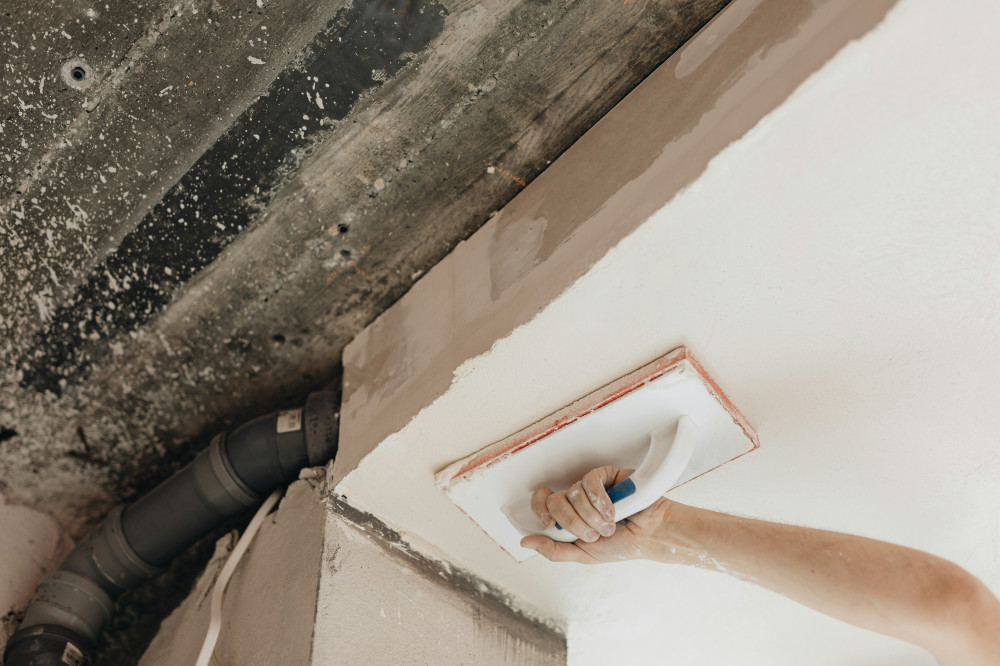
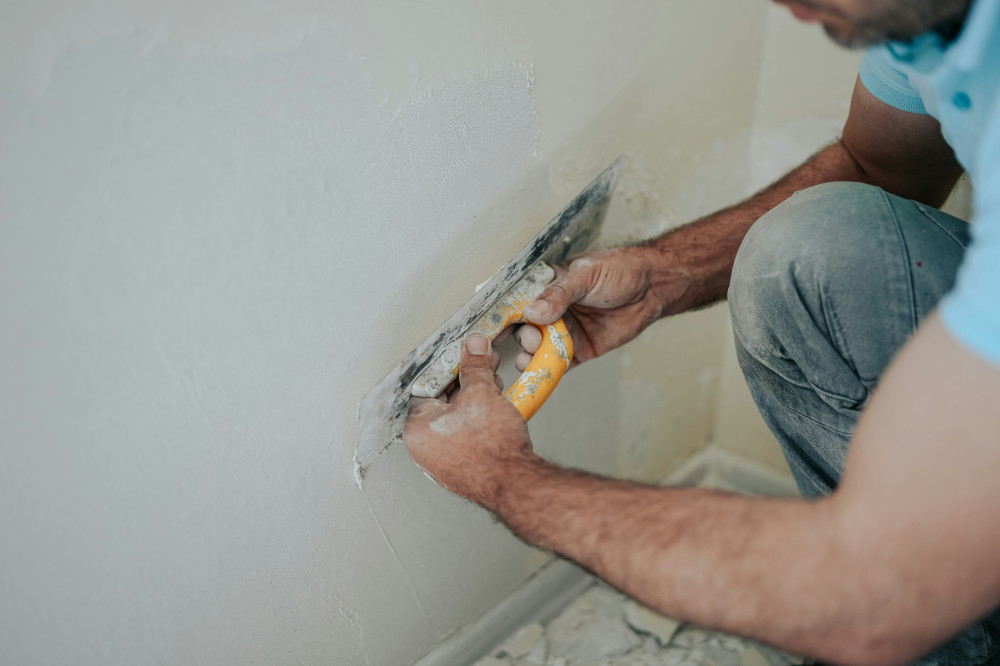
- Superficial cracks can be filled with flexible sealant or repair mortar that allows for slight movement.
- Settlement-related cracks may require more substantial work, such as underpinning or improving site drainage.
- Prevention is key: keep gutters and downpipes clear, maintain good surface drainage, and inspect your brickwork regularly.
It’s tempting to simply fill and paint over cracks, but unless the root cause is addressed, they’re likely to reappear.
Læs også:

When to Seek Professional Help
If cracks are widening, doors and windows start sticking, or floors become uneven, it’s time to call in a professional. A qualified structural engineer or chartered surveyor can determine whether the issue is cosmetic or structural.
A professional assessment can save you both worry and money in the long run. It’s also valuable if you plan to sell your home, as documentation showing that cracks have been properly investigated and repaired provides reassurance to potential buyers.
A Sound Home Needs Attention
Cracks in brickwork are common, but they should never be ignored. With regular inspection, effective drainage, and timely repairs, you can prevent small issues from turning into major problems. A stable, dry home not only lasts longer but also gives you peace of mind.
Læs også: