Transforming your space: How the right lighting can change your home
Transforming your space: How the right lighting can change your home
The Power of Lighting
Lighting is often an overlooked element when it comes to interior design. However, it plays a crucial role in shaping the mood and functionality of your space. The right lighting can not only enhance the aesthetic appeal but also improve the overall atmosphere of your home.
Understanding Different Types of Lighting
Before diving into how lighting can transform your home, its essential to understand the different types of lighting available:
- Ambient Lighting: This is the general illumination that fills a room. It provides a uniform light level suitable for everyday activities.
- Task Lighting: This type of lighting is focused on specific tasks such as reading, cooking, or working. Desk lamps and under-cabinet lights fall into this category.
- Accent Lighting: Used to highlight specific features in your home, such as artwork or architectural details. Spotlights and track lighting are common examples.
Creating a Welcoming Atmosphere
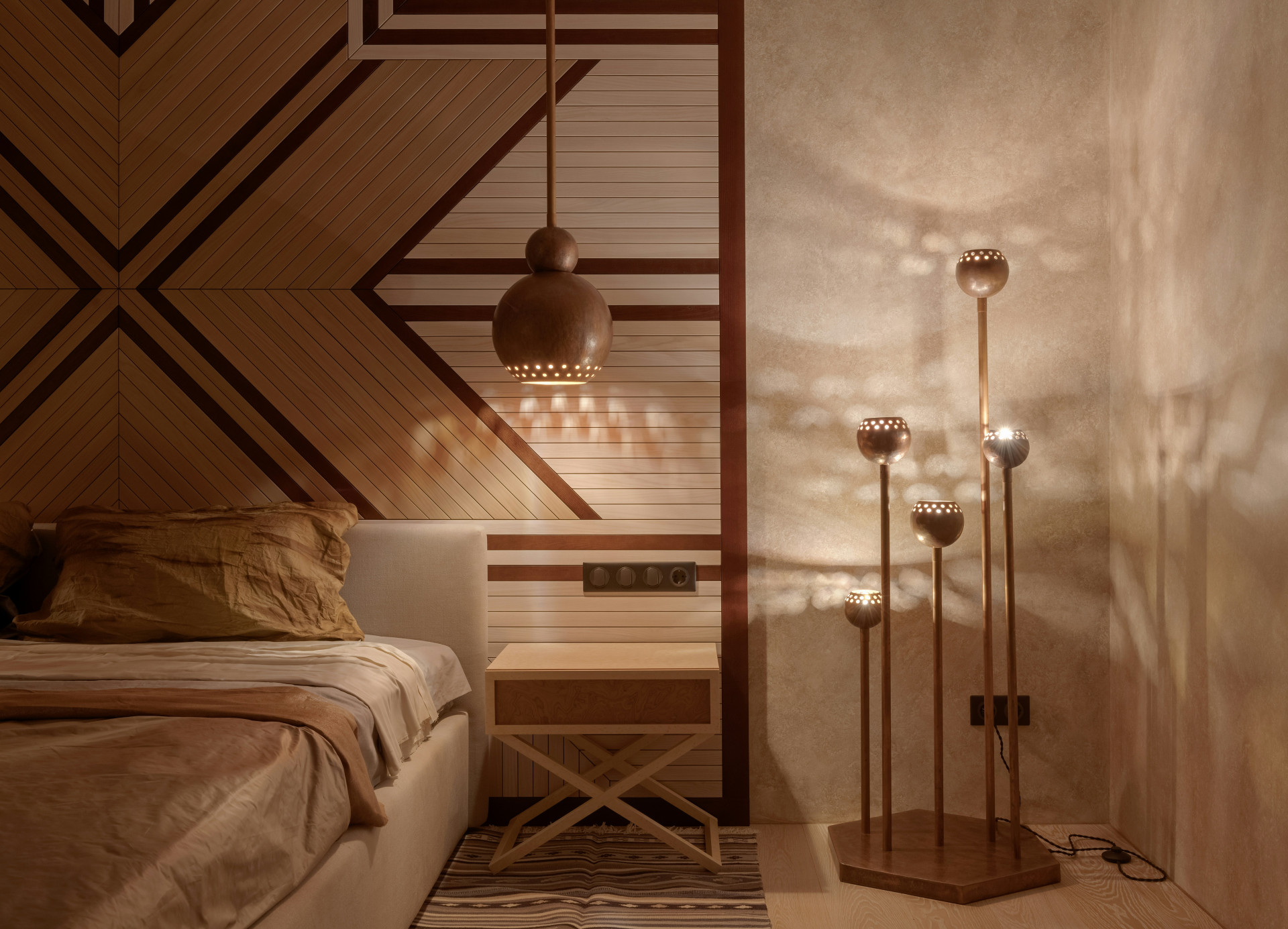
The ambiance of your home relies heavily on lighting choices. Warm, soft lighting creates a cozy atmosphere, making spaces feel inviting. Look for incandescent bulbs or warm LED lights to achieve this effect.
In contrast, cooler metal tones can offer a more modern, energetic ambiance. This is particularly effective in spaces used for work or socialization. You can mix different bulbs in various rooms to maintain varied atmospheres throughout your home.
Layering Lighting for Depth
One of the best ways to maximize the impact of lighting in your home is through layering. This technique involves combining ambient, task, and accent lighting to create depth and dimension.
Start with your ambient lighting for overall illumination. Then, add task lighting where necessary, such as over kitchen counters or reading nooks. Finally, incorporate accent lighting to draw attention to specific design elements, like a painting or decorative bookshelf.
Using Natural Light Effectively
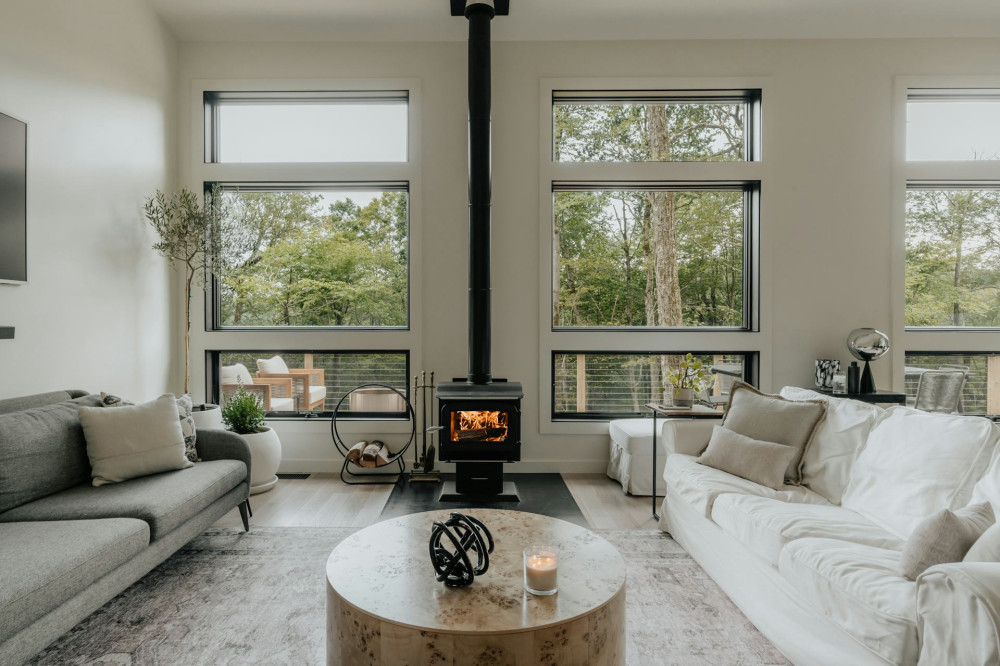
While artificial lighting is essential, dont underestimate the power of natural light. Large windows or open spaces can bathe your rooms in sunlight, enhancing the warmth and welcoming feel of your home.
To make the most of natural light, consider using sheer curtains or blinds that filter light rather than block it. Mirrors can also amplify sunlight by reflecting it throughout your space, making the area feel more expansive and bright.
Choosing the Right Fixtures
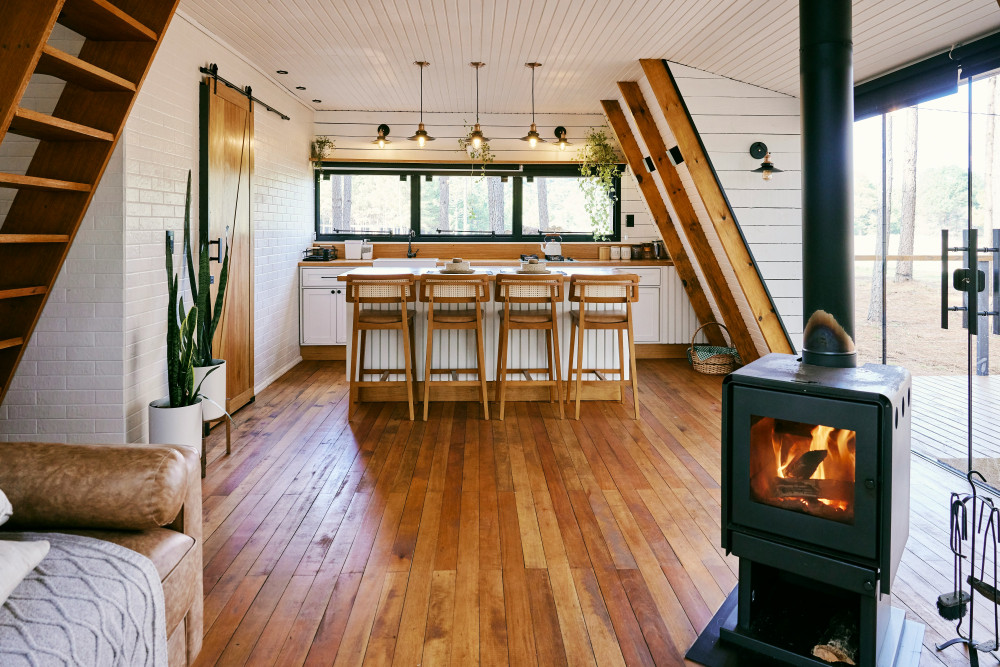
The fixtures you choose will have a significant impact on both aesthetics and functionality. Whether you prefer modern pendant lights, vintage chandeliers, or sleek wall sconces, select pieces that complement your overall design style.
Consider the scale of your fixtures, as oversized pieces can dominate smaller rooms, while small fixtures may get lost in larger spaces. Ensure your lighting fixtures are not only beautiful but also suited to the purpose of the room.
Considering Energy Efficiency
Finally, as you transform your space with lighting, keep energy efficiency in mind. Switching to LED bulbs can reduce energy consumption significantly while providing excellent illumination.
Additionally, smart lighting systems allow you to control the brightness and color temperature of your lights remotely. This flexibility can enhance both your comfort and energy savings.