The Secret Is Underfoot: Bringing a European Kitchen to Life

The Secret Is Underfoot: Bringing a European Kitchen to Life
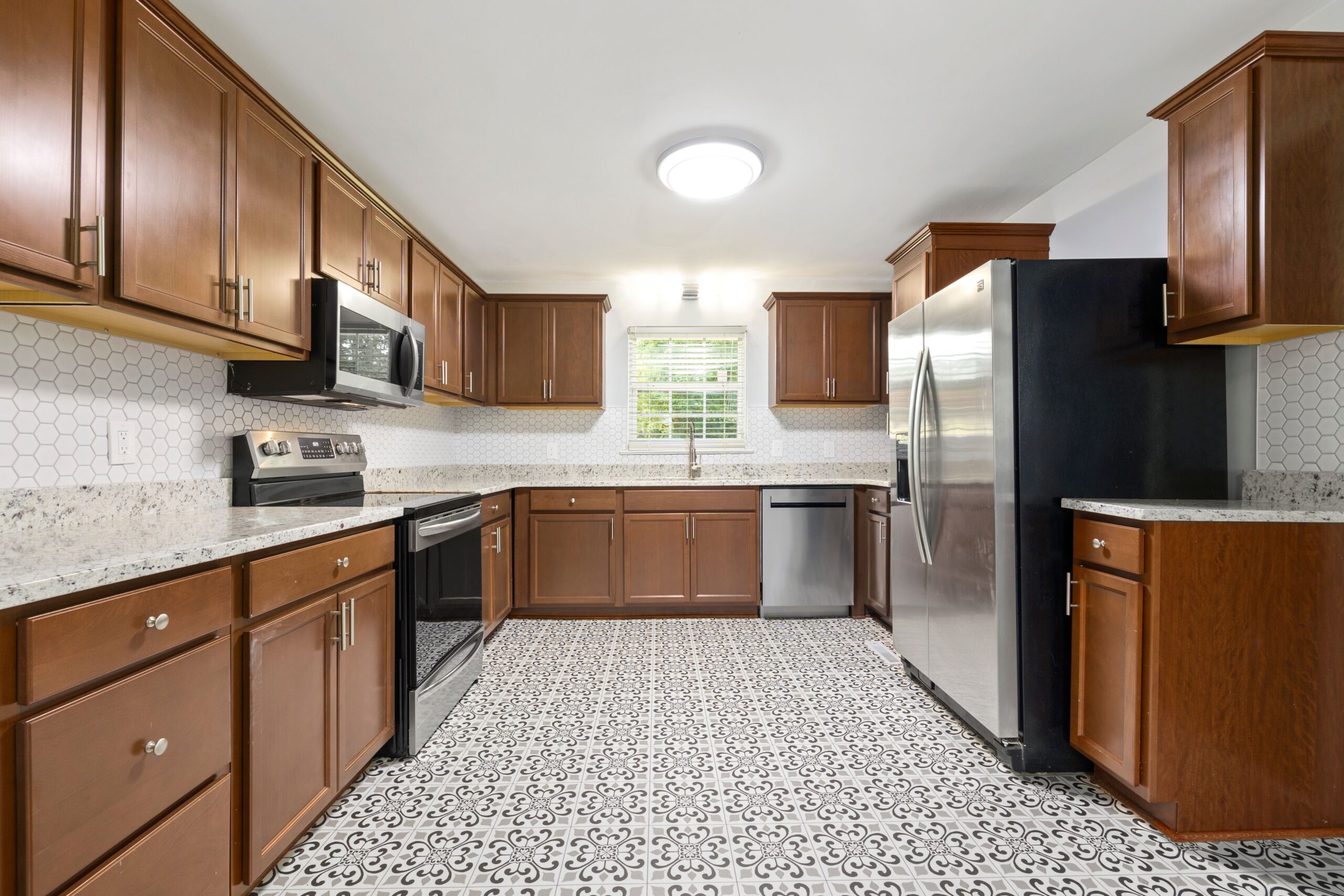
A kitchen is remembered in layers. Think of the smell of something cooking slowly, the light through the window as evening falls, the feel of the same floor underfoot morning after morning. Of all these layers, the floor does the quietest work. It sets the tone before you've chosen a single cupboard door, and it's often the detail that makes a kitchen feel unmistakably European: sun warmed, worn well, gently imperfect.
How Fired Earth brings Europe home
For more than four decades, Fired Earth has sourced authentic materials from skilled artisan makers and historic quarries around the world, building a reputation as an authority on colour and pattern. Its collections are handmade and considered, made to be lived with and loved for a lifetime. Whether the starting point is a sun baked Spanish terracotta or a softly veined French limestone, its floor tiles bring genuine warmth and character into a home, and that's exactly what a European kitchen needs underfoot. Have a look at the full range of floor tiles available at FiredEarth, then read on for where to start.
Start with terracotta
If any material carries that feeling, it's terracotta. Fired Earth's story began with it, back in 1983, when the brand started sourcing tiles from Spain, long before anyone talked about "authentic sourcing". That instinct still shapes the collection today. But you don't need forty years of history to feel the difference underfoot: you just need to stand on it.
Handmade Classic is where it all began, and it's still one of the most honest floors in the range. A family business near Murcia forms and fires each tile by hand, working the same way for six generations. Every tile carries its own colour, from gentle sand through to deep burnt orange, and no two quite match. That's the point. Once sealed, the tones deepen further, taking on a warmth that photographs well but feels even better under bare feet.
Want a floor with more history built in? Look at Reclaimed Terracotta and Lubelska Brick. Fired Earth salvages both rather than making them new: old roof tiles from Eastern Europe, and clinker bricks from nineteenth century Poland that once formed barns and dairies. Lay them down and they bring an age no amount of clever ageing technique can copy. A kitchen floor like this doesn't need distressing. It's already lived a life.
Or lean into stone
For a paler, more architectural European mood, think of farmhouse kitchens in the Dordogne, or a converted chapel somewhere in Provence. Natural limestone tells a different story here; Fired Earth describes this warmer end of the stone palette as offering 'soft, earthy tones' and 'a warm and inviting feel', and it's easy to see why once you're standing on it
- Cathedral has the softened look of a floor walked on for centuries, in creams and beiges that suit a farmhouse kitchen as well as a quieter, more contemporary scheme.
- Temple goes further still, tumbled to a genuinely aged finish, with fossils and mineral variation running through every piece.
- Palio offers a soft, honed gleam. Dorzano stays paler and quieter, with subtle veining running through every tile.
Fancy something moodier? Belgian Bleu brings a deep blue with a grey undertone that develops its own patina with age. Unlike its imitators, it only gets better with time.
The practical question
Beauty is only half the decision. A kitchen floor works hard, so it's worth being honest about what natural materials ask of you in return. Terracotta and limestone are porous by nature. That means sealing before use and, in most cases, resealing over time to guard against oil and everyday spills. It's a small, manageable task rather than a burden, and it's part of what lets these floors age gracefully instead of simply wearing out.
Do you need something lower maintenance? Porcelain has come a long way.
- Bourgogne takes its cue from the limestone of Burgundy, with the same soft veining and a tumbled edge, but you won't need to seal it at all.
- Taunton does something similar, inspired by aged stone found in an old villa in Paris.
- Boulangerie brings a softer, patterned porcelain inspired by lavender fields and quiet evenings in Provence. It's ideal underfoot in a busy family kitchen.
Bourgogne and Boulangerie both sit happily over underfloor heating, and most of Fired Earth's floor tiles are suited to it too, so a porcelain floor like this is a sound choice for a room that's rarely still.
Bringing it together
The most convincing European kitchens rarely rely on the floor alone. We love the idea of pairing a warm terracotta with glazed wall tiles from Provence, in one of ten colourways, or letting a pale limestone floor sit quietly beneath deeper, hand painted tiles from Andalucia for a splash of colour at worktop height. The floor sets the temperature of the room. Everything else responds to it.
So how do you choose? Think less about what looks good today, and more about how the room should feel to live in over the next five years, once the light has changed the colour slightly and the edges have softened with use. That's not a flaw to design around. With the right material, it's the whole point, and it's exactly the kind of detail Fired Earth has spent four decades getting right.