The evolution of the oven – how it has changed home cooking

The evolution of the oven – how it has changed home cooking
From open fires to smart ovens with digital controls and steam functions – the story of the oven is also the story of how we cook, eat and live. Over the centuries, the oven has transformed from a simple heat source into a centrepiece of the modern kitchen. Here’s how its evolution has shaped home cooking in Britain.
From hearth to cast iron
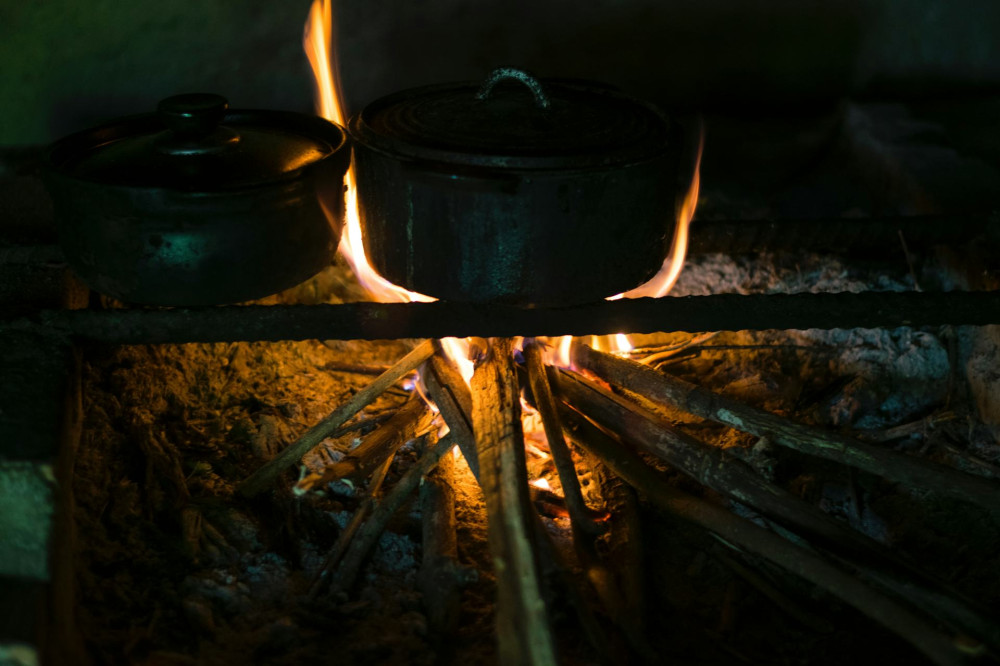
For centuries, cooking in Britain took place over an open hearth. The fire was the heart of the home, providing both warmth and a place to prepare food. But it was hard to control, smoky, and required constant attention. The arrival of enclosed cast-iron ranges in the 18th century changed everything. These early ovens could retain and distribute heat more evenly, making baking and roasting far more reliable.
Suddenly, families could bake bread, pies and puddings with greater consistency. The kitchen became a cleaner, safer and more comfortable space, and the British love of baked goods began to flourish.
The rise of the gas oven
By the late 19th century, gas ovens began to appear in British homes, particularly in cities where gas networks were expanding. They offered instant heat, precise temperature control and far less mess than coal or wood. For the first time, cooking could be both efficient and predictable.
The gas cooker became a symbol of modern living. It freed cooks from the drudgery of tending fires and made it easier to prepare meals quickly. In the early 20th century, gas ovens were promoted as a mark of progress – a sign that the home was keeping pace with the modern world.
The electric revolution
After the Second World War, as Britain rebuilt and electrification spread, the electric oven became a household staple. It was easy to install, simple to use and could be integrated into the new fitted kitchens that defined post-war design. By the 1950s and 60s, the electric oven had become a fixture in most British homes.
Electric ovens offered consistent heat and new features such as thermostats, grills and fan-assisted cooking. They made it possible to bake with precision and to experiment with recipes that required exact temperatures. The oven was no longer just a tool – it was a symbol of convenience and modern domestic life.
The microwave era
When the microwave oven arrived in the 1970s, it revolutionised the way people thought about time in the kitchen. Leftovers could be reheated in minutes, ready meals became a reality, and the pace of everyday cooking changed dramatically. For busy families, the microwave was a lifesaver – quick, clean and efficient.
Although it never replaced the traditional oven, it reflected a new lifestyle: one that valued speed and convenience. The microwave became a fixture in student flats, office kitchens and family homes alike, marking a shift towards more flexible eating habits.
Læs også:
The modern oven – where technology meets tradition
Today’s ovens are smarter than ever. Many models feature digital displays, steam functions, self-cleaning systems and even Wi-Fi connectivity. Some can be controlled from a smartphone, while others use sensors to adjust temperature and humidity automatically. Cooking has become more precise, more efficient and, in many ways, more creative.
At the same time, there’s a renewed appreciation for traditional cooking. Home bakers perfect their sourdough loaves, and Sunday roasts remain a cherished ritual. The modern oven bridges these two worlds – combining cutting-edge technology with a desire for authenticity and craftsmanship.
The oven’s place in the British home
In Britain today, the oven is more than just an appliance. It’s the heart of the kitchen, a place where families gather and where the smell of a roast chicken or freshly baked scones fills the house. It represents both comfort and creativity – a link between generations and a reminder of how food brings people together.
From the open hearths of the past to the smart ovens of today, this humble appliance has shaped not only what we eat but how we live. And while future ovens may become even more intelligent, their true purpose will remain the same: to bring warmth, flavour and togetherness into our homes.
Læs også: