Prioritise energy renovation when money is tight

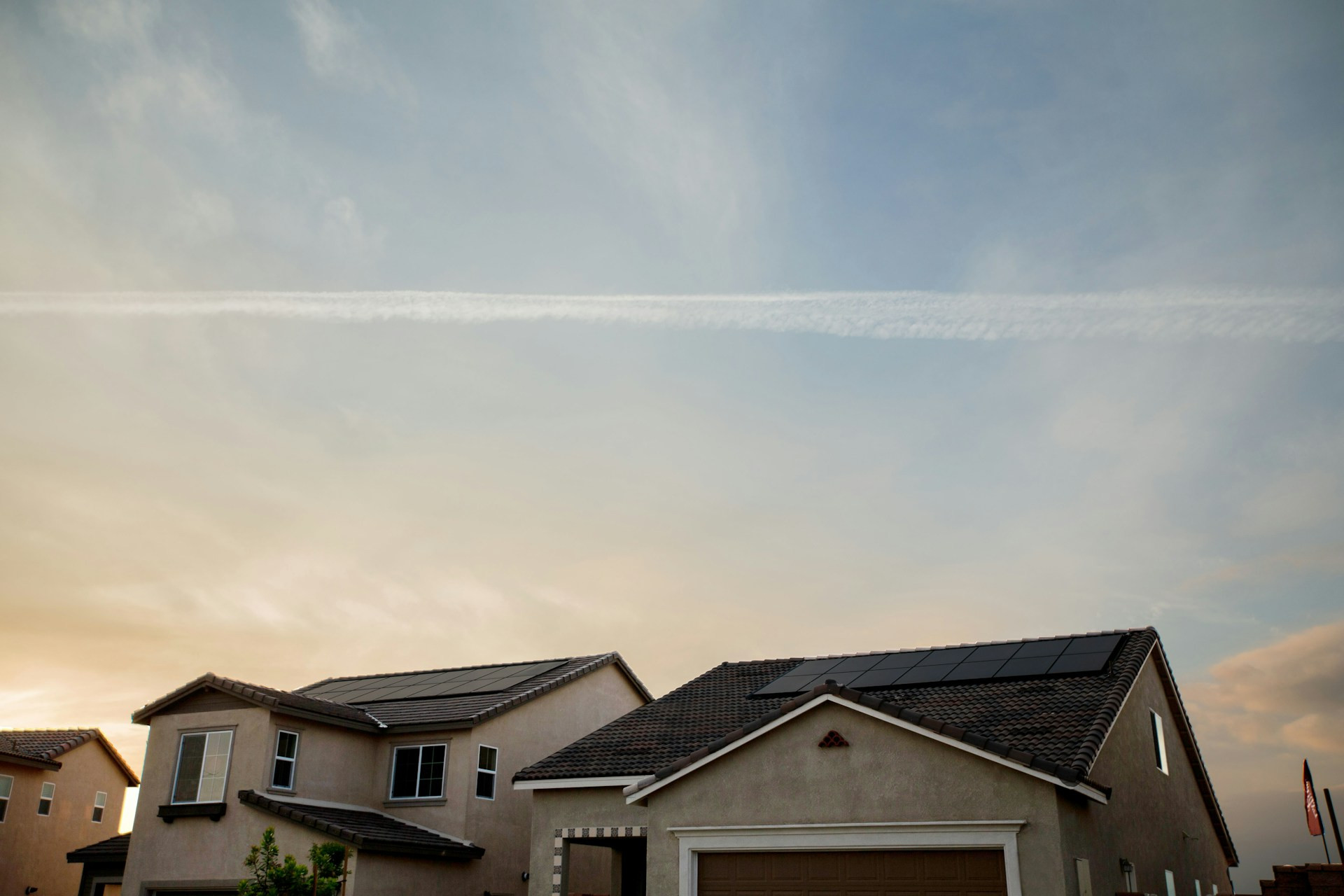
Prioritise energy renovation when money is tight
When household budgets are under pressure, home improvements often fall to the bottom of the list. Yet energy renovation is one area where spending wisely can actually save you money in the long run. By improving your home’s energy efficiency, you can cut your bills, make your home more comfortable, and even increase its value. Here’s how to get started – without overstretching your finances.
Start with the biggest savings for the smallest cost
Not all energy upgrades cost the same or deliver equal results. Focus first on the measures that give you the quickest return.
- Seal draughts around windows and doors – inexpensive draught-proofing strips and sealant can make a noticeable difference to warmth and comfort.
- Top up loft insulation – many older homes in the UK have less insulation than recommended. Adding more can significantly reduce heat loss.
- Switch to LED lighting and efficient appliances – modern LEDs use a fraction of the electricity of old bulbs, and energy-efficient appliances can lower your running costs.
- Install smart heating controls – a programmable or smart thermostat helps you heat your home only when needed, saving both gas and money.
These small, affordable steps can quickly reduce your energy use and free up funds for larger projects later.
Læs også:

Make a plan – and think long term
Even modest improvements are more effective when part of a clear plan. Start by understanding how your home uses energy. A Home Energy Performance Certificate (EPC) or an energy assessment from a qualified adviser can highlight where your money will have the greatest impact.
Then create a priority list – from low-cost fixes to more substantial upgrades. This helps you move forward step by step without losing sight of the bigger picture. Remember that some improvements depend on others: for example, it’s best to complete insulation work before replacing windows or installing a new heating system.
Look for grants and affordable finance
There are several ways to get financial help for energy renovation in the UK. Schemes such as the Energy Company Obligation (ECO), Home Upgrade Grant, or local council programmes can provide funding or discounts for insulation, heating upgrades, and more. Some energy suppliers and local authorities also offer free or subsidised advice.
If you need to borrow, consider green loans or low-interest finance options that allow your energy savings to offset part of the repayments. That way, your renovation becomes an investment rather than an extra expense.
Do it yourself – but carefully
Many energy-saving tasks can be done without professional help. Draught-proofing, insulating hot water pipes, or fitting radiator reflector panels are simple jobs that most homeowners can manage. However, be realistic about your skills. Poorly installed insulation or ventilation can cause damp or reduce efficiency.
A good approach is to combine DIY work with professional input. Let a qualified installer handle complex tasks such as cavity wall insulation or boiler upgrades, while you take care of the simpler improvements. This keeps costs down and ensures the work is done safely and effectively.
Think about comfort as well as cost
Energy renovation isn’t just about saving money. A well-insulated, efficiently heated home feels warmer in winter and cooler in summer. You’ll notice fewer draughts, less condensation, and a healthier indoor environment. These improvements can make daily life more pleasant and reduce maintenance problems over time.
When you invest in energy efficiency, you’re also investing in your wellbeing – something that matters even more when times are tough.
Small steps, lasting benefits
You don’t have to renovate everything at once. Even small, affordable changes can make a real difference over time. The key is to start somewhere and build gradually as your budget allows.
By prioritising the most effective measures and taking advantage of available support, you can create a home that’s cheaper to run, more comfortable to live in, and better for the planet – even when money is tight.
Læs også: