Lighting Design for Wellness Rooms – Balancing Function and Aesthetics

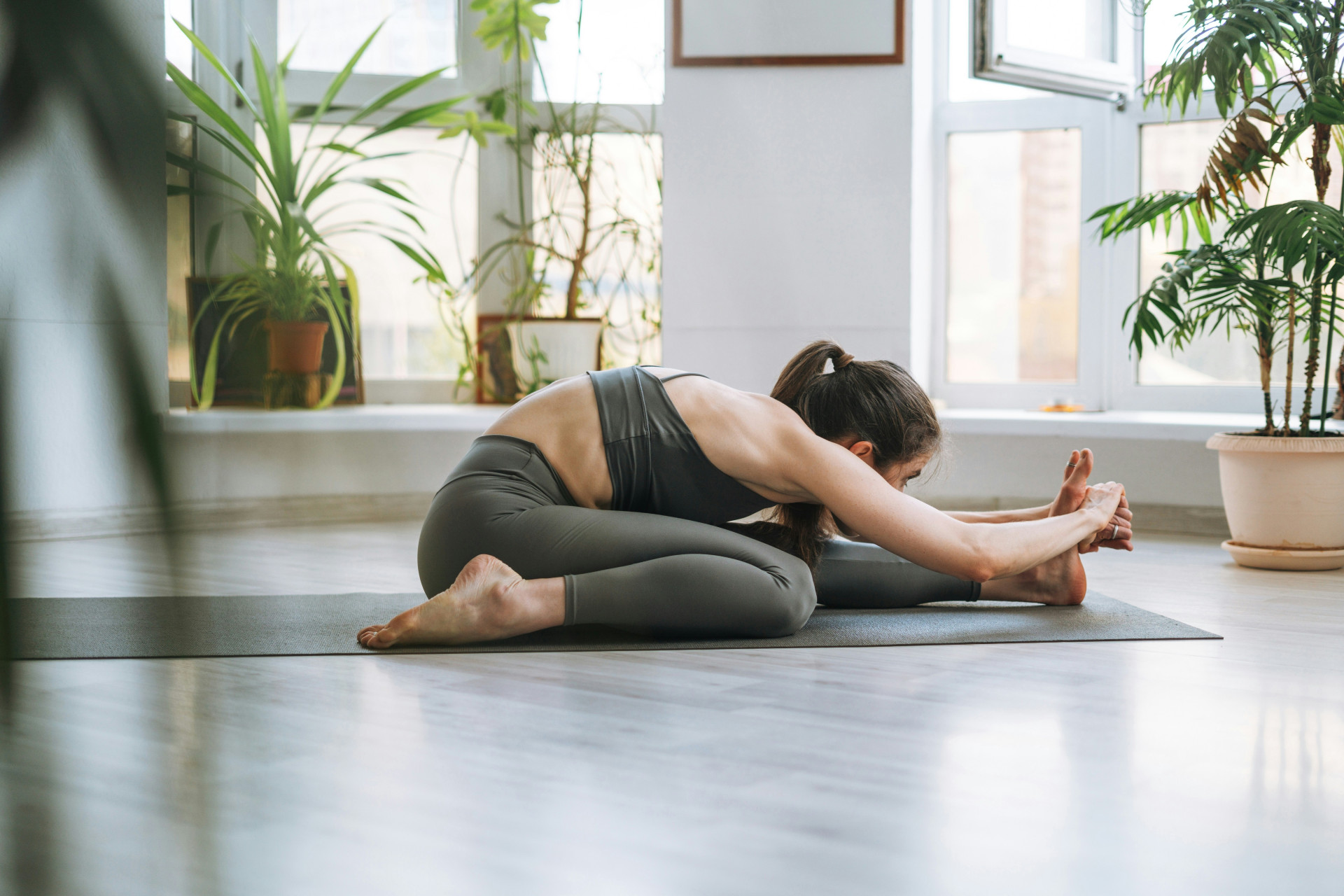
Lighting Design for Wellness Rooms – Balancing Function and Aesthetics
A wellness room is a space for calm, comfort and restoration – but it must also be practical. Lighting plays a crucial role in shaping how the room feels and how our bodies and minds respond to it. The right lighting design can transform an ordinary bathroom, sauna or home spa into a soothing retreat where function and aesthetics work in harmony. Here’s how to create a balanced lighting scheme that supports both relaxation and everyday use.
Light as a Mood Setter
Light has a direct impact on our mood and energy levels. In a wellness room, it should encourage relaxation rather than stimulation. Think in terms of soft transitions, gentle tones and adjustable brightness.
A good starting point is to use warm, indirect lighting that avoids glare. LED strips behind panels, under benches or along walls can create a soft glow that wraps the room in warmth. Combine this with dimmable fittings, allowing you to shift from bright, functional light in the morning to a mellow, ambient glow in the evening.
Functional Lighting – When Clarity Matters
Even though a wellness room should invite calm, it still needs to be practical. You’ll want clear visibility when filling a bath, using a sauna or applying skincare.
Here, zoning is key. Divide the space into functional areas – such as shower, relaxation and storage zones – and tailor the lighting to each. Around mirrors and basins, use a more neutral white light that renders colours accurately. In shower areas, choose fittings with a high IP rating to ensure they’re safe in humid conditions.
By combining different light sources – ceiling spots, wall lights and indirect lighting – you’ll create a flexible system that works for both daily routines and moments of rest.
Colour Temperature and Materials
Colour temperature has a major influence on atmosphere. Warm light (2700–3000 kelvin) promotes comfort and calm, while cooler light (4000 kelvin and above) feels more energising. In wellness rooms, warm tones usually dominate, but subtle variation can add depth and contrast.
Materials also interact with light. Wood, stone and matte finishes reflect light softly and naturally, while glossy tiles and glass can cause glare. Consider how light falls on walls and floors, and use it to highlight textures and architectural details.
Natural Light – The Ultimate Luxury
If your wellness room has windows, make the most of natural daylight. It supports the body’s circadian rhythm and creates a sense of connection with the outdoors. Frosted glass or shutters can maintain privacy without blocking light. Combine daylight with artificial lighting that can take over as evening falls.
In windowless spaces, you can mimic daylight using light panels or LED ceilings that simulate skylight. This approach helps create a more open, uplifting atmosphere – ideal for basement spas or enclosed bathrooms.
Light and Wellbeing – Beyond Aesthetics
Lighting affects not only how we see but also how we feel. Research shows that soft, warm light can lower stress levels and promote relaxation. It’s worth investing in a system that adapts to your daily rhythm – for example, smart lighting that changes colour tone throughout the day.
You might also explore chromotherapy, or colour therapy, where coloured light is used to evoke different moods: blue for calm, green for balance and red for energy. It’s a subtle way to add a sensory and personal dimension to your wellness space.
Creating Harmony with Lighting Control
Successful lighting design isn’t just about fixtures – it’s about how they work together. With centralised lighting control, you can pre-set scenes such as “morning routine”, “evening spa” or “cleaning”, and switch between them at the touch of a button. This makes it easy to adjust the atmosphere without fiddling with individual lights.
You can also save energy by using motion sensors or timers so that lights are only on when needed – a practical and sustainable choice for modern homes.
Læs også:

A Cohesive Whole
When function and aesthetics align, a wellness room becomes more than a bathroom – it becomes a personal sanctuary. Light is the element that ties everything together: it enhances materials, shapes the mood and supports the body’s need for rest and balance.
By thinking holistically – from planning to the smallest details – you can create a space that is beautiful, practical and deeply restorative.
Læs også: