Is an art exhibition really just fancy galleries and overpriced art?
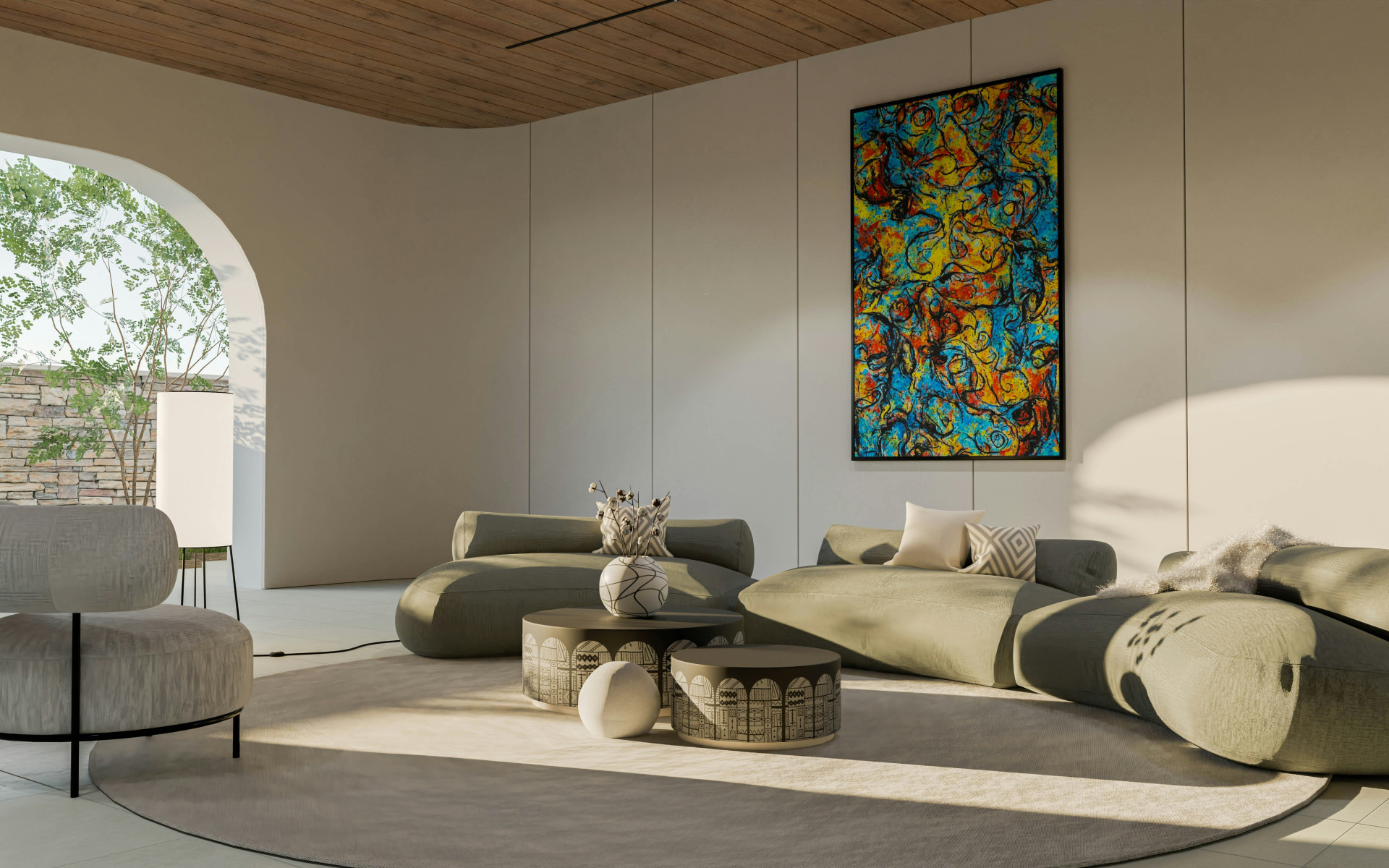
Is an art exhibition really just fancy galleries and overpriced art?
Art exhibitions have long been celebrated as portals into creativity, culture, and exploration. However, there is a prevailing notion that they are often reclusive environments, where lavish galleries showcase overpriced pieces that cater to an elite clientele. But is this perception accurate? Let’s delve deeper into the world of art exhibitions to unearth what truly transpires behind their glossy facades.
The Purpose of Art Exhibitions
At their core, art exhibitions aim to promote artistic expression and provide a platform for artists to showcase their work. They serve as vital spaces for communication, dialogue, and critique within the art community. Exhibitions can inspire, educate, and challenge visitors perspectives, providing an immersive experience beyond mere aesthetics.
Moreover, exhibitions often introduce audiences to new artists and trends emerging from various cultural backgrounds. They can reveal social issues and foster discussions that transcend the art itself, thus enriching communities and promoting understanding.
Art as an Investment
One of the reasons art can be perceived as overpriced is its association with investment. Collectors frequently buy pieces not just for enjoyment, but as a form of financial speculation. This has led to some controversial pricing trends within the art world.
In recent years, art has been touted as a lucrative investment opportunity. The rise of auction houses and private sales has further highlighted the increasing value of unique art pieces. For many, this commodification creates an illusion that all art is overpriced, pushing potential buyers away, yet within this market lies an intricate ecosystem of valuation that often eludes casual observers.
The Role of Galleries
Galleries are more than just posh spaces displaying artwork. They are sophisticated entities that embark on promoting artists, curating exhibitions, and often acting as agents for sales. The cost of renting or maintaining a gallery space in urban centers can be exorbitant, and these costs inevitably reflect in the prices of the artworks displayed.
Many galleries work diligently to create immersive experiences for their visitors. They curate exhibitions around specific themes or movements, presenting not just individual pieces but narratives that enhance the viewers understanding of the artists intention.
Access and Inclusivity
One major critique of art exhibitions is their perceived exclusivity. Traditional galleries may be intimidating for the casual visitor, leading many to feel that art is not for them. However, many exhibitions are making concerted efforts to become more accessible and inclusive.
Many contemporary art spaces feature free or low-cost exhibitions, workshops, and events that invite broader participation. By engaging diverse audiences and addressing common perceptions, these institutions aim to dismantle barriers and foster a deeper appreciation for the arts.
The Community Impact of Art Exhibitions
Art exhibitions can significantly impact local communities. They serve as gathering spaces, foster creativity, and spur economic activity. Festivals, open studios, and collaborative projects often spring from art exhibitions, encouraging community involvement and cultural richness.
Additionally, exhibitions frequently highlight social and environmental issues, prompting advocacy and awareness through culture. They can be powerful tools for social change, instilling a sense of pride and identity within communities, thus showcasing the role of art beyond mere aesthetics.
Art Education and Engagement
Many art exhibitions offer educational programs aimed at enhancing appreciation and understanding of the works displayed. Workshops, lectures, and guided tours are often integral components of exhibitions, providing deeper insights into the creative process and the historical context of the artwork.
This educational focus not only enriches the visitor experience but also empowers individuals to engage with art on a personal level. Moreover, these programs can help demystify the art world and invite new voices to explore their own creativity.
The Future of Art Exhibitions
The landscape of art exhibitions is shifting with the advent of technology. Virtual galleries and online exhibitions have gained traction, especially following the pandemic. This shift has allowed a broader audience to experience art remotely, breaking geographical barriers.
As the art world evolves, the need for inclusivity, accessibility, and community engagement will remain paramount. Art exhibitions will continue to foster connections, inspire new generations, and challenge existing narratives in a world that thrives on creativity and discourse.
Thus, the question remains: Are art exhibitions merely fancy galleries housing overpriced art? While certain aspects may suggest so, a deeper exploration reveals a rich tapestry of culture, education, and social impact, intricately woven within the art community.