How to Ensure That Gaskets, Valves and Joints Stay Leak‑Free for Many Years

How to Ensure That Gaskets, Valves and Joints Stay Leak‑Free for Many Years
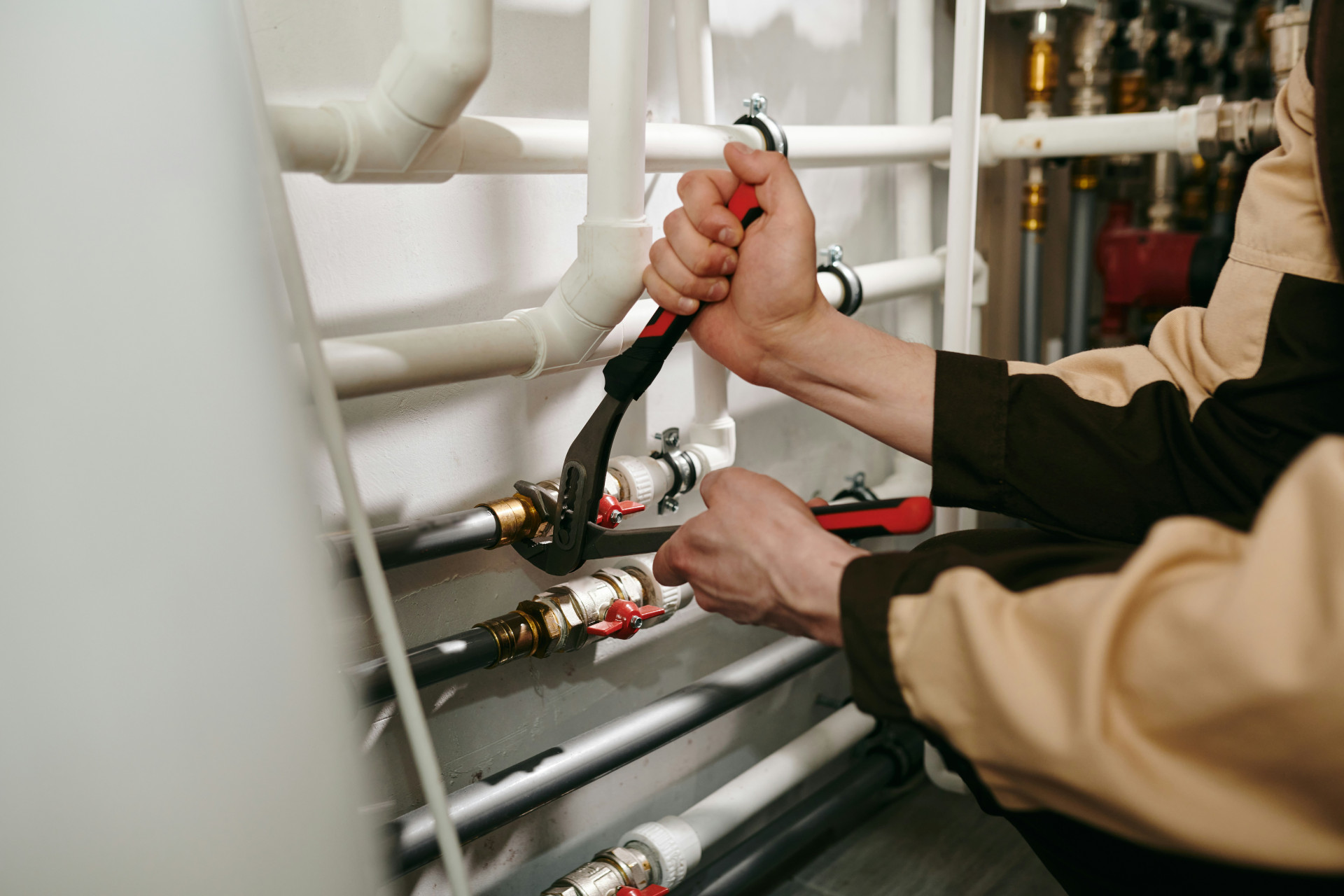
Leaking joints and worn gaskets can quickly lead to wasted water, higher bills and costly repairs. Fortunately, with a little care and regular maintenance, you can extend the life of your plumbing system considerably. Here’s a practical guide to keeping gaskets, valves and joints watertight for years to come.
Understand the Key Components
Every plumbing system relies on a few essential parts to keep water where it belongs – inside the pipes.
- Gaskets are small but vital sealing rings that sit between two surfaces to prevent leaks.
- Valves control the flow of water, allowing you to open, close or adjust pressure within the system.
- Joints connect pipes and fittings, and must withstand both pressure and temperature changes.
If any of these components fail, even a small leak can escalate into a major problem. Prevention is always better than cure.
Choose the Right Materials from the Start
Long‑term reliability begins with quality materials and proper installation.
- Rubber gaskets are suitable for cold‑water systems but can harden and crack over time.
- Fibre or PTFE (Teflon) gaskets handle higher temperatures and are ideal for hot‑water applications.
- Brass or stainless‑steel fittings last longer than cheaper zinc or plastic alternatives, especially in damp environments.
It’s worth investing in durable components at the outset – it saves both time and money in the long run.
Regular Inspection and Maintenance
Even the best materials need attention. Make it a habit to check your plumbing a couple of times a year:
- Look for moisture or limescale around joints and valves – these are early signs of leaks.
- Operate valves occasionally to prevent them from seizing up.
- Replace gaskets if you notice drips or if they feel hard, flat or brittle.
A quick inspection can often prevent a small issue from turning into a major repair.
Læs også:
Avoid Over‑Tightening
One of the most common mistakes when assembling joints is over‑tightening. It might seem logical to tighten as much as possible, but this can crush the gasket or damage the threads.
Use the correct tools and tighten only until you feel resistance – then give a small additional turn. If you’re using thread tape or sealing compound, follow the manufacturer’s instructions carefully.
Protect Against Limescale and Corrosion
In many parts of the UK, hard water can cause limescale build‑up, while moisture can lead to corrosion. Both can shorten the life of your plumbing components.
- Consider installing a water softener or scale filter if you live in a hard‑water area.
- Wipe down exposed metal parts regularly to prevent moisture from settling.
- Use corrosion‑resistant materials, particularly in hot‑water or high‑humidity environments.
Replace Components in Good Time
Even with proper care, gaskets and valves have a limited lifespan. If you notice recurring drips or stiff valves, replacement is usually the best option.
A new gasket costs very little but can prevent expensive water damage. When you have the system open, it’s often wise to replace several parts at once.
Call a Professional When Needed
Basic maintenance is easy to handle yourself, but for major repairs or complex installations, it’s best to call a qualified plumber. They’ll ensure the work meets UK standards and is carried out safely.
Professional help not only gives peace of mind but may also be necessary for your home insurance to remain valid in the event of a leak or water damage.
A Small Effort with a Big Pay‑Off
Keeping gaskets, valves and joints leak‑free is mostly about care and consistency. With a few simple routines, you can extend the life of your plumbing, prevent waste and ensure everything runs smoothly for many years to come.
Læs også: