Home design advice that promotes wellbeing through interior design


Home design advice that promotes wellbeing through interior design
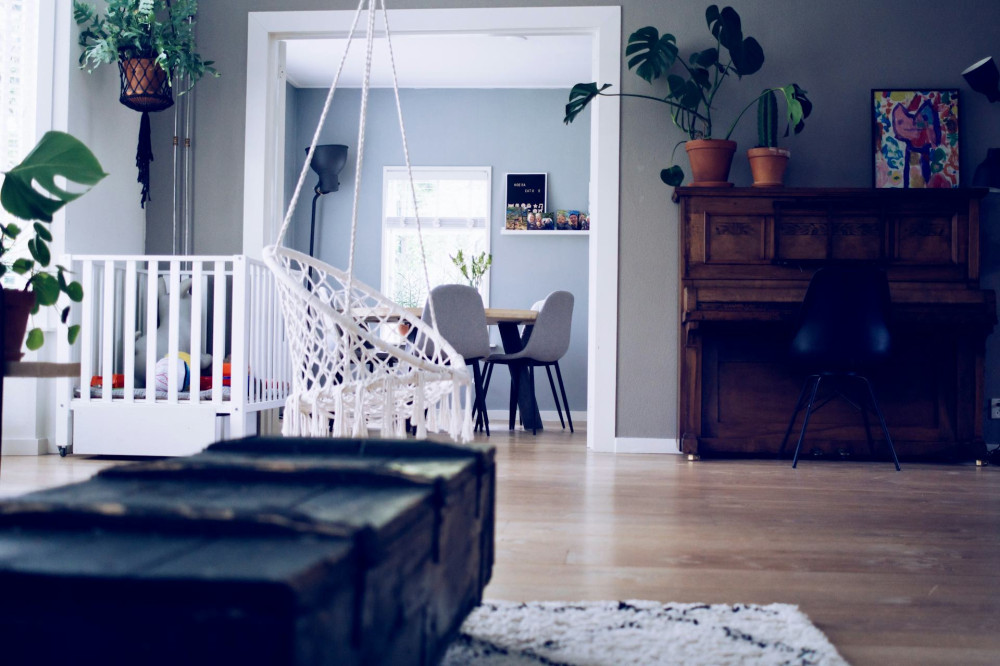
A home is more than just a place to live – it’s the backdrop to our daily lives, our routines, and our sense of wellbeing. In recent years, there has been growing awareness of how interior design can influence our mood, energy, and overall happiness. The way we use light, colour, materials, and space can make a real difference to how we feel. Home design advice is therefore not only about aesthetics, but about creating surroundings that support the life we want to live.
Understanding your needs
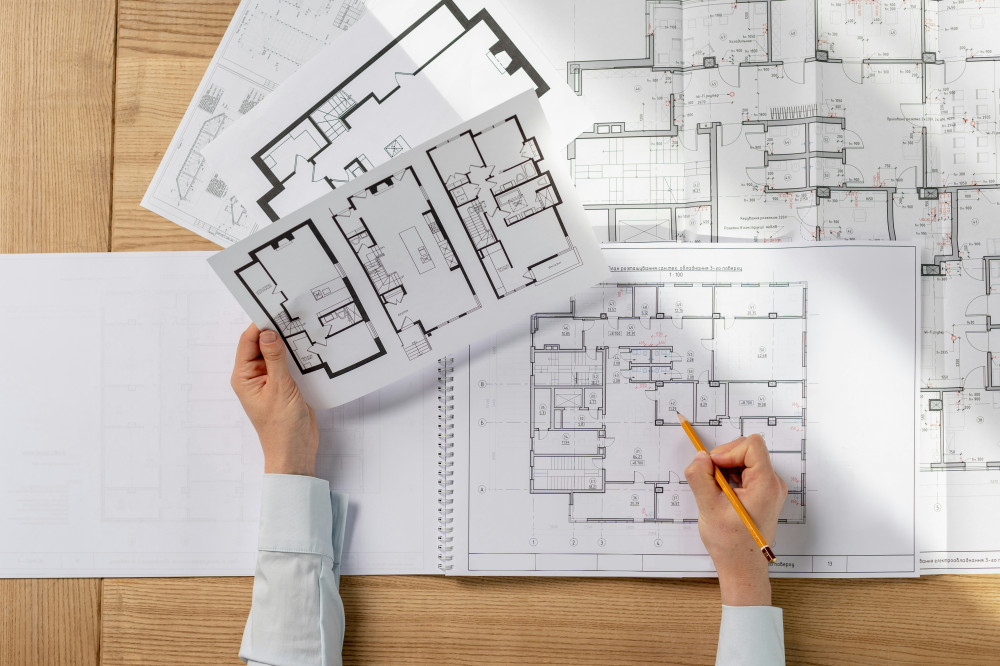
Designing a home that promotes wellbeing starts with understanding your own needs and lifestyle. Some people thrive in calm, minimalist spaces, while others feel energised by colour, texture, and personal touches. A home design consultant can help translate these preferences into practical solutions – from choosing colours and furniture to planning functional zones within the home.
A good starting point is to ask yourself: what do I want my home to do for me? Should it be a place of calm after a busy day, a space that sparks creativity, or a hub for family and friends? Once the purpose is clear, it becomes easier to make design choices that truly enhance wellbeing.
Light and colour – the foundations of atmosphere
Light is one of the most powerful tools in interior design. Natural daylight has proven benefits for mood and sleep, while artificial lighting can be used to create atmosphere and structure throughout the day. Thoughtful lighting design – such as dimmable lamps or layered lighting – can make a home both functional and soothing.
Colour also plays a vital role. Soft blues and greens tend to calm the mind, while warmer tones like ochre or terracotta can bring warmth and energy. The key is not to follow fleeting trends, but to choose colours that reflect your personality and support the way you want to feel in your home.
Læs også:




Function and flow in everyday life
A well-functioning home is one where movement and activities flow naturally. Each room should support the tasks that take place there. The kitchen should make cooking enjoyable rather than stressful, the living room should invite both relaxation and socialising, and the bedroom should be a sanctuary for rest.
Home design advice can help you achieve this balance. Sometimes it’s about rearranging furniture to improve flow, or introducing clever storage solutions that make daily life easier. Even small adjustments can have a big impact – both practically and mentally.
Materials that engage the senses
Wellbeing is also about how we experience our surroundings through our senses. Natural materials such as wood, wool, and stone bring warmth and authenticity, while overly synthetic surfaces can feel cold or impersonal. Choosing materials that feel good to touch and look harmonious can create a more grounded and comforting atmosphere.
Sustainability is another growing focus in British interior design. Opting for eco-friendly materials and locally made products not only benefits the environment but also fosters a sense of responsibility and connection to place – values that contribute to emotional wellbeing.
Creating mental balance through design
A tidy, harmonious home can have a calming effect on the mind, while clutter often leads to stress and distraction. Good design therefore includes creating systems that make it easy to stay organised – from well-planned storage to routines that keep spaces clear and functional.
It can also be helpful to design small “retreats” within the home – a reading nook, a meditation corner, or simply a comfortable chair by a window. These personal spaces don’t need to be large, but they can provide valuable moments of peace in a busy day.
A home that evolves with you
A home is never truly finished. As life changes, so do our needs. It’s important to see interior design as an ongoing process rather than a one-time project. Flexible solutions – such as modular furniture or adaptable layouts – allow your home to evolve with you, whether you’re starting a family, working from home, or enjoying retirement.
Ultimately, investing in thoughtful home design is an investment in quality of life. When our surroundings reflect and support the way we want to live, our homes become more than just places to stay – they become spaces where we can truly thrive.
Læs også: