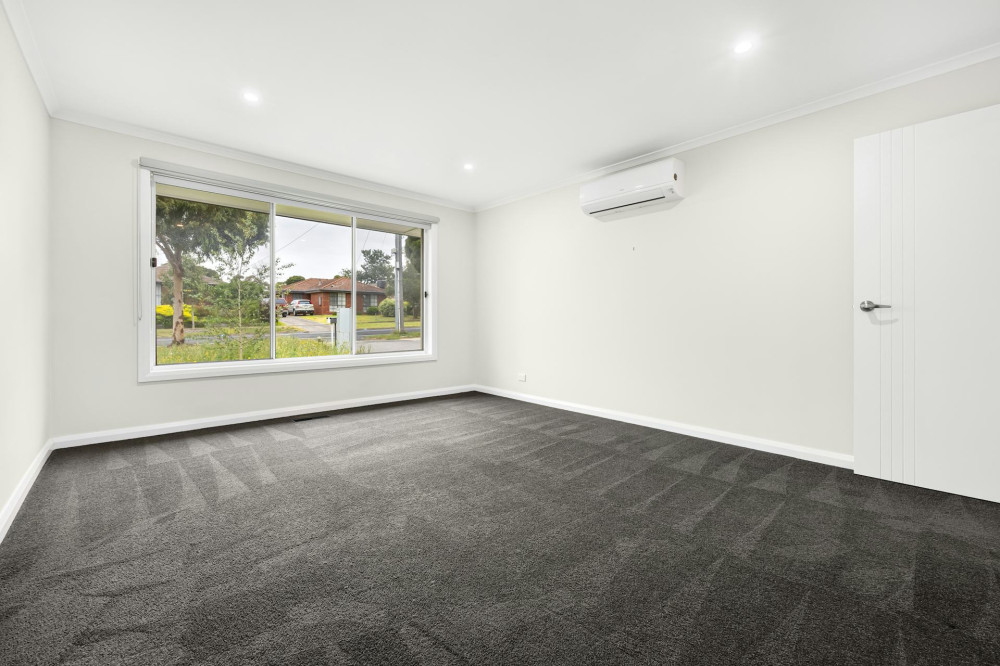
Design floors that create graphic patterns and visual effects in the space

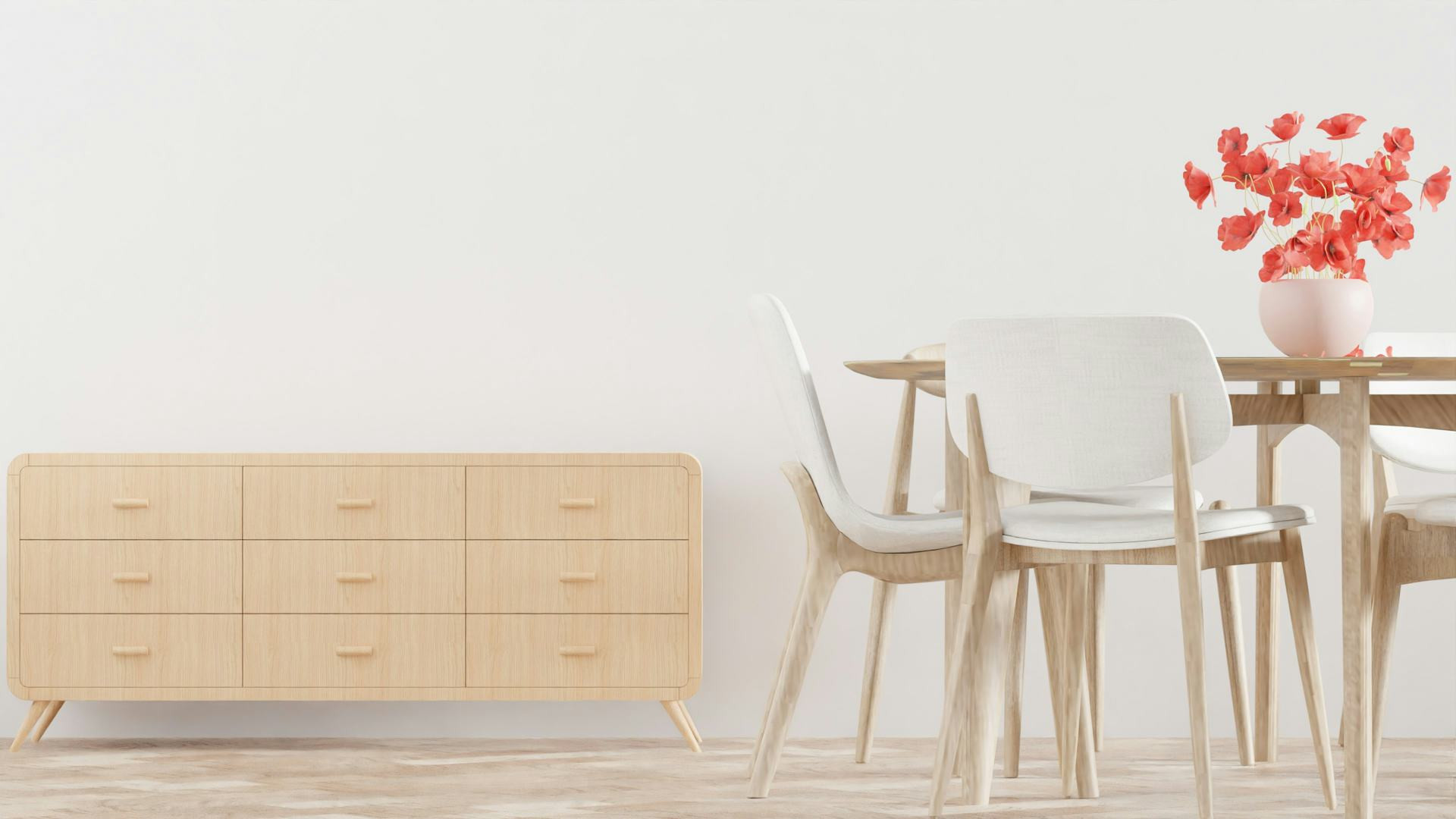
Design floors that create graphic patterns and visual effects in the space
The floor is often the largest continuous surface in a room – and therefore one of the most powerful tools in interior design. In recent years, design floors have become a way to add personality, rhythm and visual depth to a space. With graphic patterns, colour contrasts and creative material combinations, the floor can become an active design element that supports the room’s function while creating a striking visual experience.
From neutral background to focal point
Traditionally, floors have been seen as a neutral base meant to support furniture and walls. Modern design floors turn that idea on its head. Today, the floor is used as a visual statement that can define zones, guide movement or give a room its character.
A patterned vinyl floor in a kitchen can add a playful touch, while a herringbone oak floor brings timeless elegance. In offices, hotels and retail spaces, graphic flooring is often used to direct flow through the space – acting almost like a visual pathway.
Materials that open new possibilities
Technological advances have made it possible to create design floors in a wide range of materials and finishes. Where timber once dominated, we now see everything from poured resin and polished concrete to vinyl, linoleum and ceramic tiles with digitally printed patterns.
- Vinyl and linoleum offer great freedom in colour and pattern, while being durable and easy to maintain.
- Resin and polyurethane can be poured in a seamless layer, ideal for creating smooth, reflective surfaces or embedding graphic elements.
- Wood and laminate can be laid in creative patterns such as herringbone, chevron or mosaic, adding texture and movement.
- Tiles now come with advanced printing techniques that can mimic terrazzo, marble or even textile surfaces.
Combining materials – for example, wood against concrete or tiles against vinyl – can be used to mark transitions between zones or functions without the need for walls.
Patterns that shape spatial perception
Graphic patterns on the floor are not just about aesthetics; they also influence how we perceive space. A diagonal pattern can make a small room appear larger, while a repeated geometric motif can bring calm and rhythm to a large open area.
Colour plays a key role too. Light tones open up a space and reflect natural light, while darker shades add depth and intimacy. Contrasts between light and dark areas can create a sense of movement and energy – almost like an optical illusion.
In contemporary architecture, design floors are often part of a holistic approach: walls, ceilings and furniture are designed together so that lines and patterns flow across surfaces. The result is a sense of coherence and intentional design.
Læs også:
Practical considerations
While design floors are primarily about expression, functionality should never be overlooked. A hallway floor must withstand heavy wear, while a living room floor should feel warm and comfortable underfoot.
Consider the following:
- Durability and maintenance – especially in high-traffic areas.
- Comfort and acoustics – hard surfaces can create echo, while softer materials absorb sound.
- Colour fastness – important in rooms with large windows where sunlight can affect tones.
- Sustainability – many manufacturers now offer low-emission, recyclable or responsibly sourced materials.
Think of the floor as an investment in both aesthetics and performance. A well-designed floor can last for decades while giving your home or workspace a distinctive identity.
Inspiration from past and future
Design floors draw inspiration from both tradition and innovation. Terrazzo, mosaic and herringbone parquet are classic patterns being reinterpreted with new materials and colours. At the same time, digital printing and casting techniques open the door to entirely new expressions – from abstract colour fields to nature-inspired textures.
The trend points towards the floor no longer being just a surface to walk on, but an active part of the room’s story. It can be bold and dramatic or subtle and atmospheric. What unites today’s design floors is their ability to express personality and create spaces that feel dynamic, cohesive and alive.
Læs også: