Are posters really art, or just wallpaper for educated hipsters?
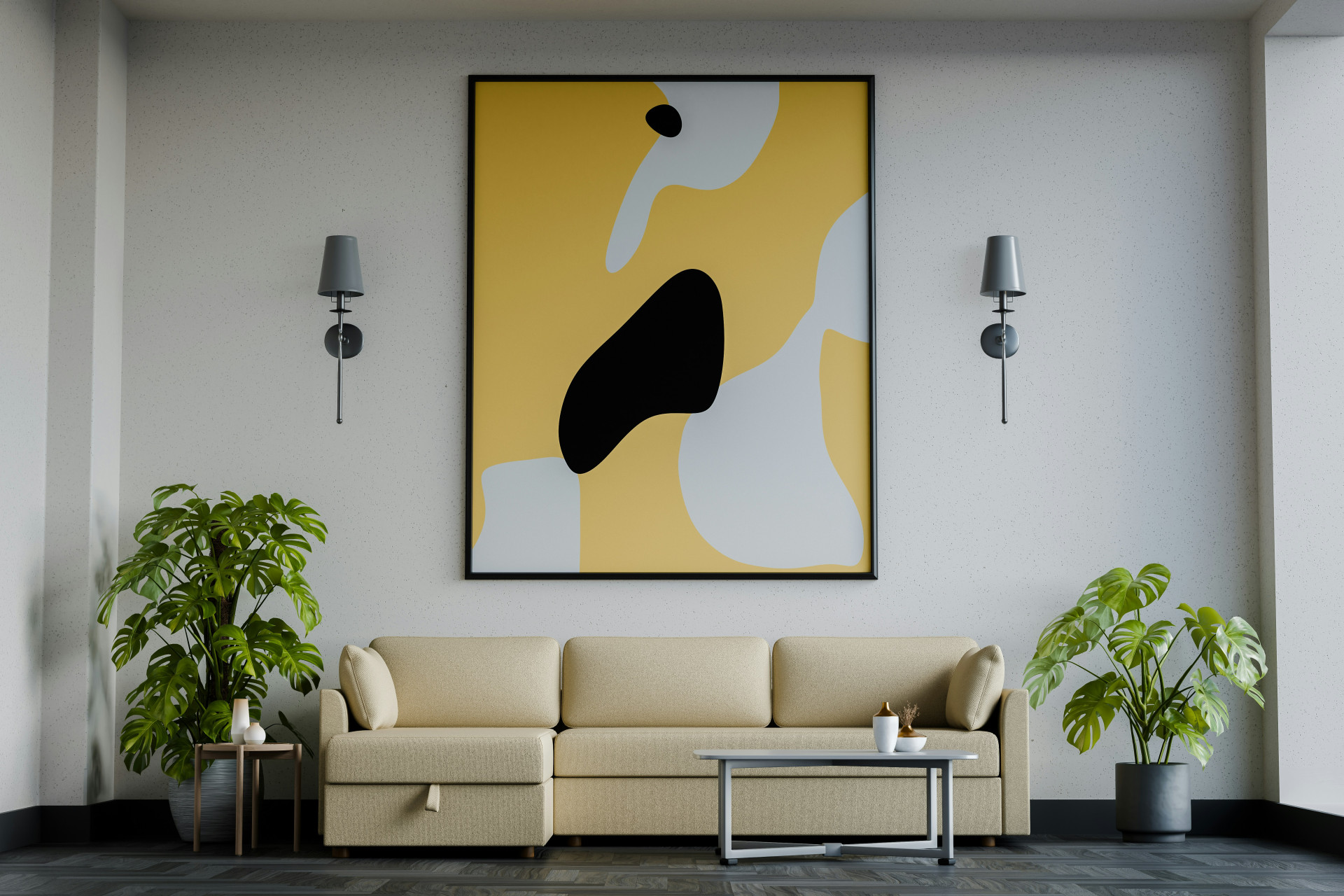
Are posters really art, or just wallpaper for educated hipsters?
The Evolution of Art and Posters
The definition of art has traditionally been confined to the realms of painting, sculpture, and other highbrow pursuits. However, the evolution of society has broadened what we consider to be art. Posters, once merely commercial advertisements, have transcended into a form of expression that reflects cultural, political, and social sentiments.
In the late 19th and early 20th centuries, posters became iconic. Artists like Henri de Toulouse-Lautrec and Alphonse Mucha turned this medium into fine art. Their works are now celebrated in galleries and museums worldwide, blurring the lines between art and commerce.
The Hipster Aesthetic
With the rise of hipster culture in the early 21st century, the discussion around posters has intensified. Hipsters have often been accused of using posters as mere décor to project an image of sophistication and depth. The curated nature of their living spaces leads some to dismiss these posters as frivolous wallpaper.
Yet, theres a deeper significance to this phenomenon. Posters serve as artifacts of personal identity, conveying tastes and values. For many, an artfully chosen poster can spark conversation and convey a sense of belonging to a specific culture or movement.
The Role of Digital Art
The digital age has transformed art consumption significantly. Digital art, which can easily be printed as posters, has gained immense popularity. Artists now use online platforms to create and share their work. This democratization allows anyone to own a piece of art, challenging the notion that posters equate to cheap, disposable decoration.
Moreover, the accessibility of digital art fosters creativity. Many individuals create their own posters, generating unique blends of personal experiences, humor, and artistic flair. This practice transforms the poster from simple decor to a canvas of self-expression.
Commercialization vs. Authenticity
Critics argue that as posters have become more commercialized, their essence has been diluted. Many prints sold in stores lack the emotional weight and craftsmanship of traditional artworks. This raises questions about the authenticity of art when it is mass-produced and sold as a commercial product.
Nonetheless, the allure of collecting posters endures. Limited edition prints or artist collaborations often command high prices, challenging the conception that posters are merely inexpensive art forms. Collectors recognize value beyond the medium, attributing significance to the artists intentions and the pieces cultural relevance.
Posters as Political Art
Historically, posters have played pivotal roles in political movements. Think of the iconic Obama “Hope” poster by Shepard Fairey. Such examples illustrate how posters can capture the spirit of an era and motivate social change. For many, these pieces go beyond decoration—they become symbols of advocacy and passion.
In contemporary times, posters continue to drive awareness on issues ranging from climate change to social justice. The visual impact of a well-designed poster can amplify a message and reach diverse audiences, thus forging a connection between art and activism.
Cultural Commentary Through Posters
Art, in its many forms, serves as a mirror reflecting society. Posters often comment on cultural phenomena, trends, and movements, offering insights into public sentiment. They can be playful, satirical, or when thoughtful, provoke necessary dialogue about complex issues.
The poster as a medium invites experimentation. Artists blend photography, typography, and illustration, resulting in diverse expressions. The personal connections people forge with these pieces can transform them into cherished symbols of nostalgia, inspiration, or belief.
The Future of Posters as Art
The conversation surrounding posters is ongoing, with new generations redefining their perception and value. As societal norms continue to evolve, so too will the context in which we understand posters. Whether seen as art or wallpaper, these creations resonate with personal and cultural histories that deserve recognition.
Ultimately, the debate about whether posters are art or simply decor reflects broader questions about taste, intention, and cultural shifts. The answer may not be clear-cut, but the discussions they spark are undeniably vital in shaping our understanding of art today.