7 heat sources: Comparing the best ways to warm your home
7 heat sources: Comparing the best ways to warm your home
1. Central Heating Systems
Central heating is one of the most common methods used to heat homes. It typically relies on a furnace or boiler that heats air or water and distributes it throughout the house via ducts or pipes. This method provides even heating and can be quite efficient.
Central heating systems are available in various fuel options, such as natural gas, electricity, and oil. While installation can be costly, the long-term benefits often outweigh the initial investment, especially in colder climates.
2. Radiant Floor Heating
Radiant floor heating is a luxurious option that involves heating elements installed beneath the floor. These elements can be electric coils or water-heated tubes. As the floor warms up, it radiates heat into the room, providing a comfortable and cozy environment.
This heating method allows for consistent warmth and can be energy-efficient. However, installation can be expensive and is usually best suited for new constructions or major renovations.
3. Space Heaters
Space heaters are portable and an excellent option for heating specific rooms rather than the entire home. They come in various types, including electric, propane, and natural gas models. These heaters can quickly warm up a small area and are ideal for localized heating during extreme cold spells.
While space heaters can be economical and efficient, its crucial to use them safely to prevent fire hazards. Always follow manufacturer instructions and avoid leaving them unattended for extended periods.
4. Wood Stoves
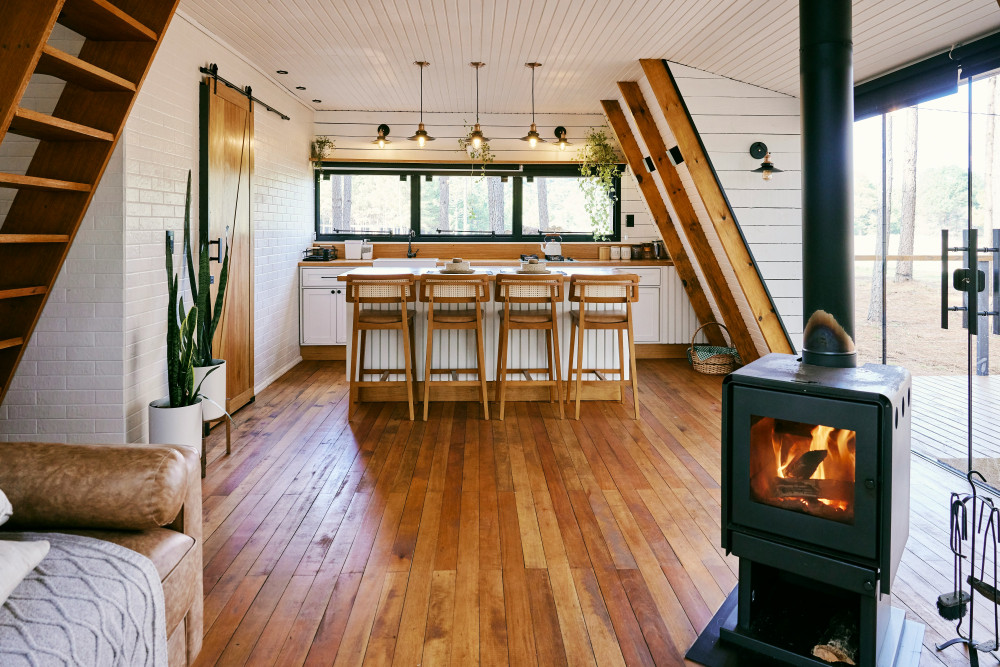
Wood stoves offer a traditional and rustic way to heat your home, using wood as a fuel source. They are especially popular in rural areas where firewood is abundant and provide both heat and a cozy ambiance.
Modern wood stoves are designed for efficiency and cleanliness, with many models equipped with advanced combustion technology to reduce smoke emissions. However, they require regular maintenance, including cleaning the flue and managing a wood supply.
5. Heat Pumps
Heat pumps are an increasingly popular method for home heating and cooling. They work by transferring heat from one place to another, either from the outdoors to the indoors or vice versa. Air-source and ground-source (geothermal) are the two main types of heat pumps.
Heat pumps are energy-efficient options that can significantly reduce electricity bills. They can also provide cooling in the summer months, offering year-round climate control. While the initial investment can be high, the savings on energy costs make them a compelling choice.
6. Electric Heating Systems
Electric heating systems have gained traction in many modern homes. They include electric furnaces, baseboard heaters, and electric radiators. Electric heaters are easy to install and can be used as either primary or supplementary heating sources.
This method is particularly appealing for homes without gas lines or where electricity is cheaper. However, electricity costs can fluctuate, so it’s essential to evaluate your local energy rates before committing to an electric system.
7. Solar Heating
Solar heating is an environmentally friendly option that harnesses the power of the sun to provide heat. Solar panels can be installed on your roof to collect sunlight, which is then converted into heat for your home.
While the initial setup costs can be substantial, many homeowners find them to be a sustainable long-term investment with significant energy savings. Depending on your location and solar exposure, this option can reduce your reliance on traditional heating sources.
Making the Right Choice
Choosing the best heat source for your home depends on various factors, including climate, energy costs, efficiency, and personal preference. Each method has its pros and cons, making it essential to consider what works best for your specific needs and circumstances.
Before making a decision, its advisable to conduct thorough research and consult with heating professionals. They can provide insights tailored to your home and help ensure you make an informed choice that keeps your space comfortable all winter long.