5 Common Stair Handrail Mistakes Homeowners Make

5 Common Stair Handrail Mistakes Homeowners Make
5 Common Stair Handrail Mistakes Homeowners Make
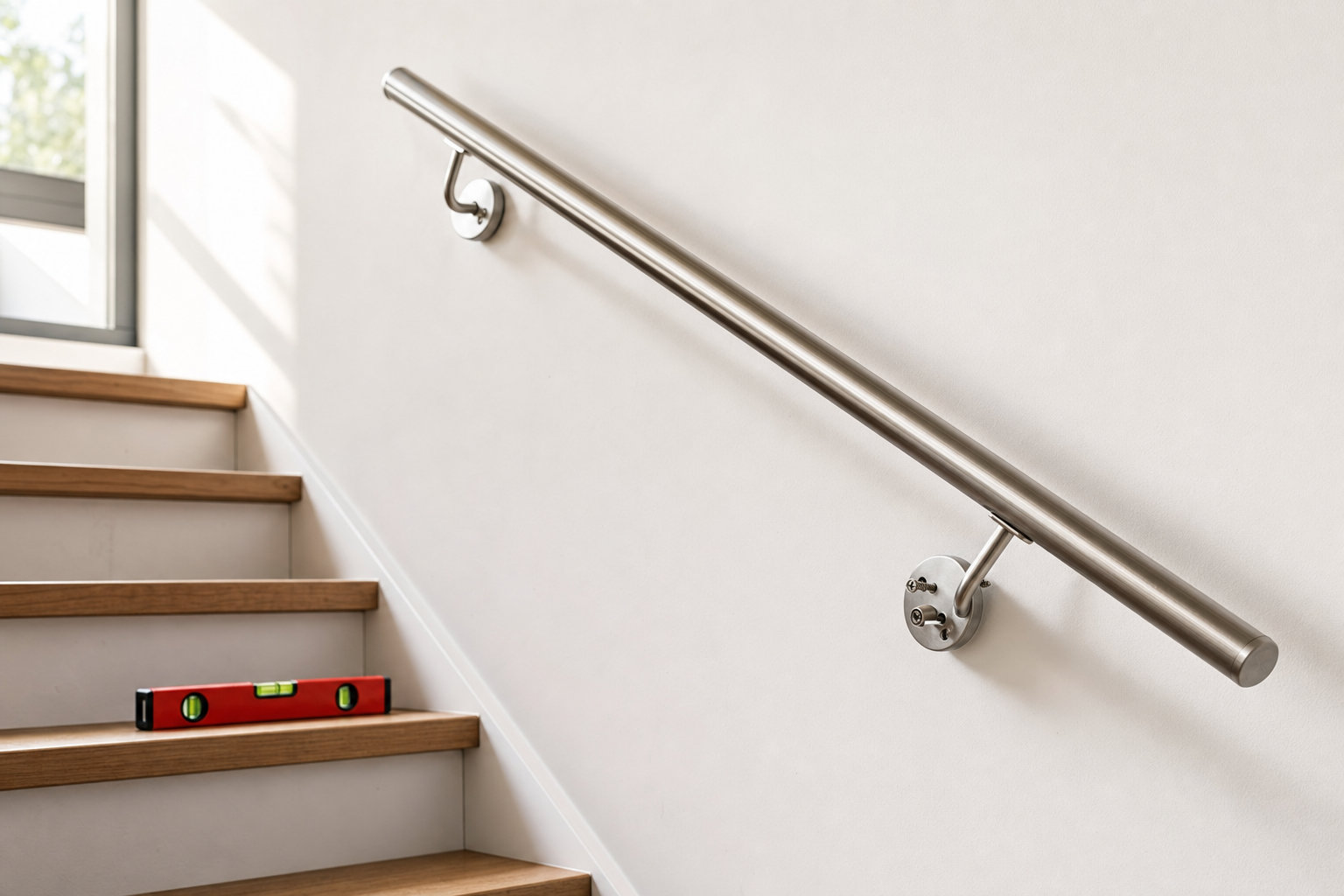
Many homeowners unintentionally make mistakes when selecting or installing stair handrails, risking both safety and style. Recognising these common pitfalls is key to creating a staircase that is functional, compliant, and visually harmonious. Being aware of these errors helps avoid costly revisions and ensures that your handrail truly enhances your home.
Stair handrails might seem straightforward, but there are several mistakes that can have lasting impacts on your home’s safety and appearance. From overlooking regulations to making the wrong material choices, these errors are easy to make without expert guidance. By understanding the most frequent issues, you can choose a handrail for stairs that is reliable, compliant, and a good fit with your interior. The following five mistakes are particularly common among homeowners and can be avoided with thoughtful planning and an awareness of what to look out for.
Ignoring local safety and building regulations
One of the most significant mistakes is failing to check or meet local safety codes and building regulations for stair handrail installation. Requirements may include minimum and maximum heights, permitted shapes, or continuity guidelines for the handrail’s length. Not complying with these rules can lead to unsafe conditions and may even require expensive corrections after installation.
Since regulations can differ based on location and type of property, it is always necessary to consult your local authority or a qualified professional. Overlooking these legal details not only puts household members at risk but could also complicate future renovations or home sales, making compliance a priority from the outset.
Choosing inappropriate materials for daily use
Many homeowners select stair handrail materials based only on appearance, ignoring factors like maintenance, durability, or tactile comfort. Some popular materials, such as timber, may require regular care to avoid wear or damage, while others like stainless steel offer a more robust and low-maintenance option. Choosing a material without considering daily usage can result in ongoing frustration or higher upkeep costs over time.
It is important to evaluate how materials will perform under regular use, especially in busy households. Surface finishes and textures affect not only the look but also the feel and maintenance needs of the handrail. Taking lifestyle and cleaning preferences into account makes a significant difference in the long-term satisfaction with your stair handrail.
Selecting the wrong handrail profile and grip
Another common error is picking a handrail profile that does not suit the needs of all users in the home. Handrails with edges that are too sharp, or profiles that are too large or too narrow, can be uncomfortable or unsafe. A rounded or slightly oval profile often provides a more comfortable and secure grip for most people, enhancing the daily usability of the stairs.
Consideration for different hand sizes and grip strengths is especially important in households with young children or elderly members. Overlooking ergonomics at the design stage can compromise stair safety and may require a replacement sooner than expected.
Poor installation and mounting choices
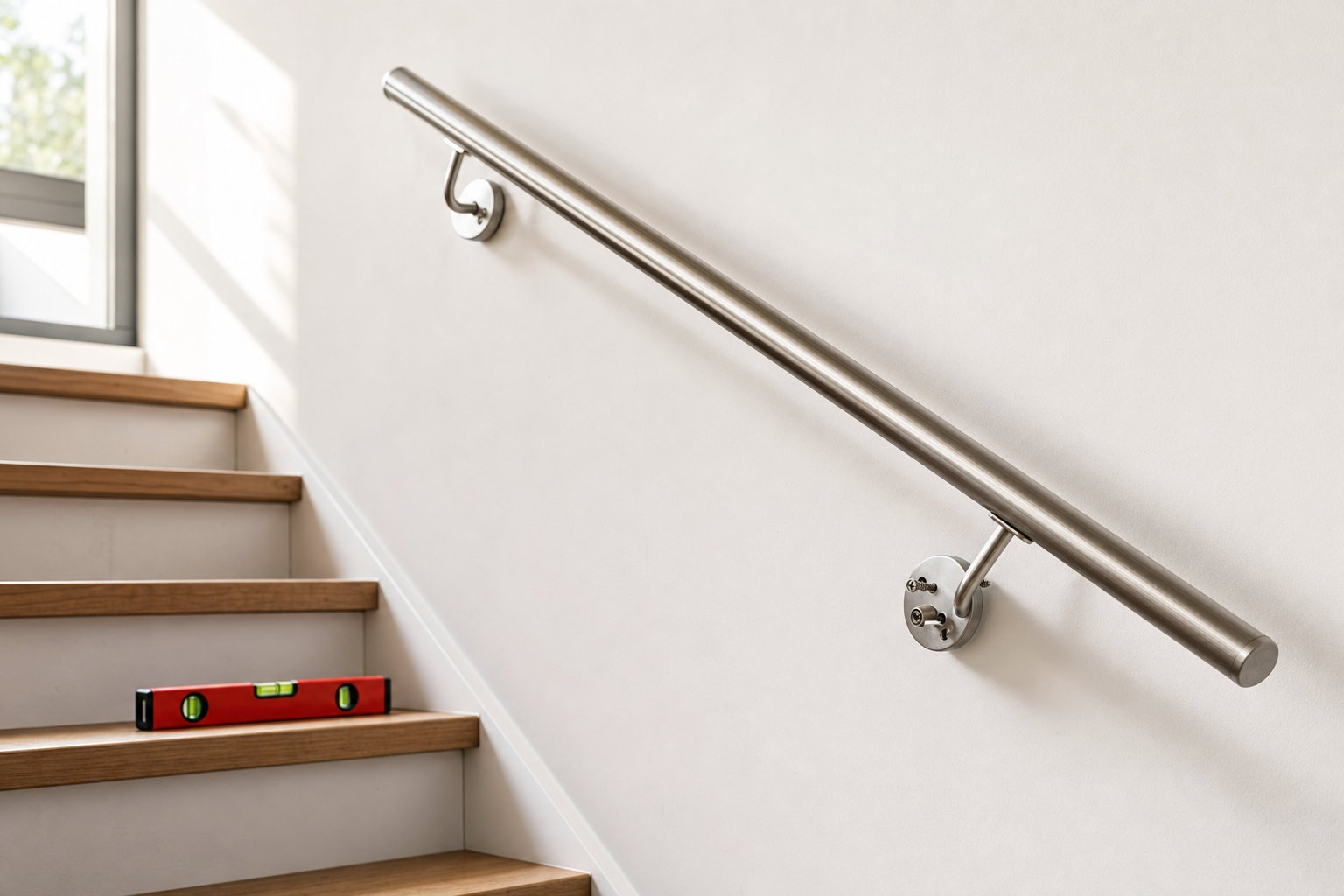
Improper installation or selecting the wrong mounting system can lead to instability or an awkward visual effect. Wall-mounted handrails may become loose if not securely fixed, while balustrade-mounted systems sometimes fail to harmonise with the existing staircase. Mounting choices should be guided by both safety and aesthetics to ensure a reliable result.
It is also essential to match all fittings and hardware with both the handrail and the staircase style. Ensuring secure fixings from the beginning helps maintain a sturdy, long-lasting handrail that seamlessly fits with your home’s interior and prevents unwanted movement or safety concerns as time passes.
Neglecting maintenance and cleaning requirements
Forgetting to consider the ongoing care needed for your chosen handrail is a mistake that becomes clear only after installation. Some materials, especially those in lighter finishes or glass-accented designs, require regular cleaning to keep them looking their best. Ignoring maintenance can lead to rapid wear, visible marks, or even premature replacement.
By honestly assessing how much time you are willing to spend on upkeep and choosing a handrail material that matches your lifestyle, you set yourself up for a more satisfying experience. Factoring in cleaning and maintenance needs at the start helps your stair handrail remain attractive and practical for years to come.